Welcome to
Tanzania’s 14-day Grand Safari Expedition
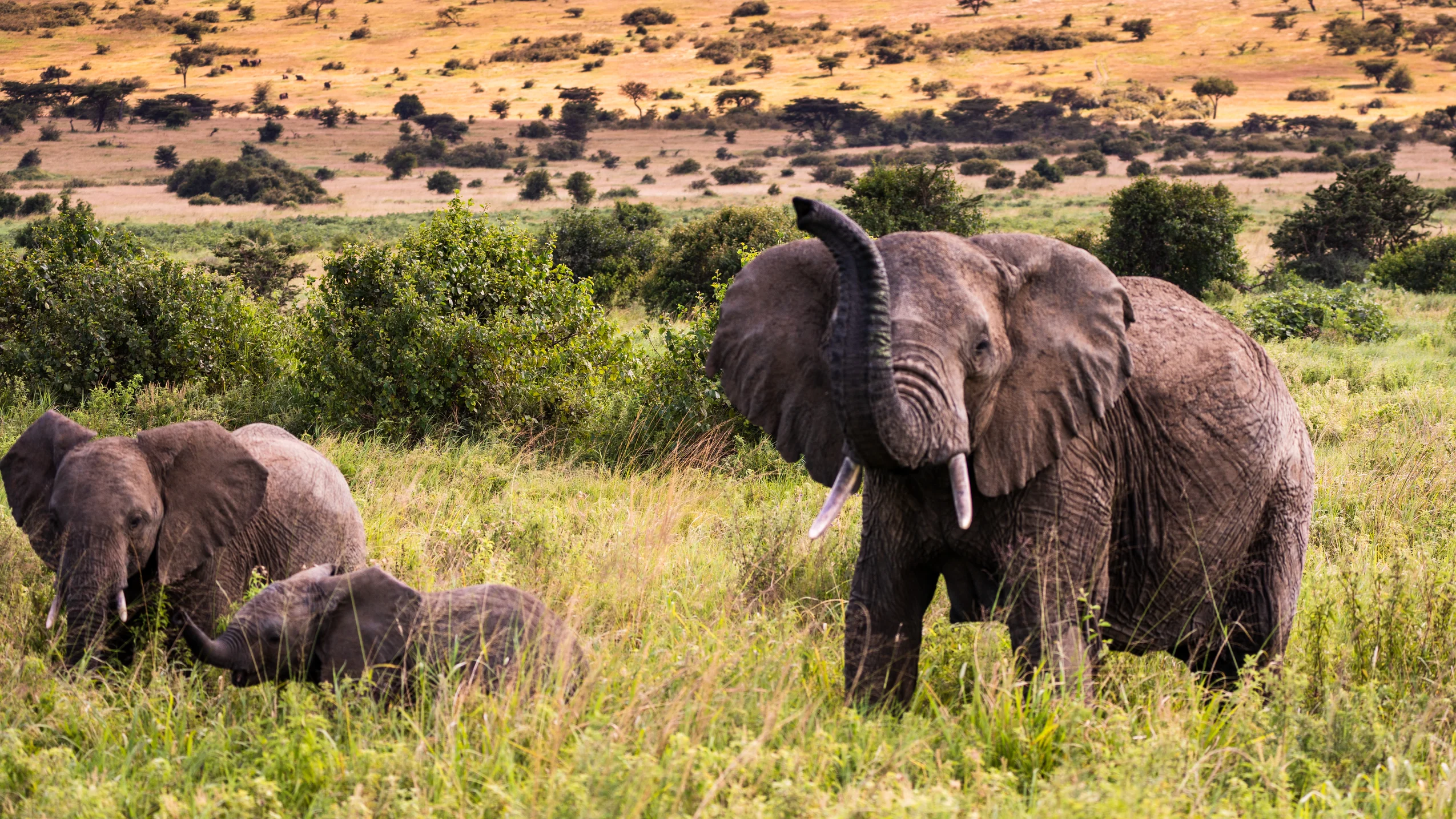
Experience the safari of a lifetime with our 14-day tour of Tanzania. This comprehensive tour takes you to the most beautiful natural wonders of northern Tanzania, including the impressive herds of elephants in Tarangire National Park and the breathtaking Ngorongoro Crater.
Enjoy unique encounters with wildlife, authentic cultural experiences and moments of relaxation amidst breathtaking landscapes.
Price per person from: $3455
Duration: 14 days
Highlights
- Discover the region’s most beautiful natural wonders
- Marvel at impressive herds of elephants
- Explore the breathtaking crater caldera
Private
Guaranteed departure
With a guide (English)
Physical difficulty: easy
Itinerary
At the foot of Mount Meru lies Arusha – Tanzania’s bustling safari capital and the starting point for legendary adventures in East Africa. This lively city serves as the gateway to the northern safari circuit and opens the way to iconic destinations such as the vast Serengeti, the impressive Ngorongoro Crater and the majestic Kilimanjaro. Arusha offers more than just a departure point: enjoy lively markets, cultural experiences and all the amenities for the ultimate wildlife journey.
The Rift Valley south of Lake Manyara is a breathtaking region in Tanzania, renowned for its steep cliffs, lush landscapes and diverse ecosystems. The striking terrain – with its dramatic slopes and vast plains – provides the perfect backdrop for nature lovers and adventurers.
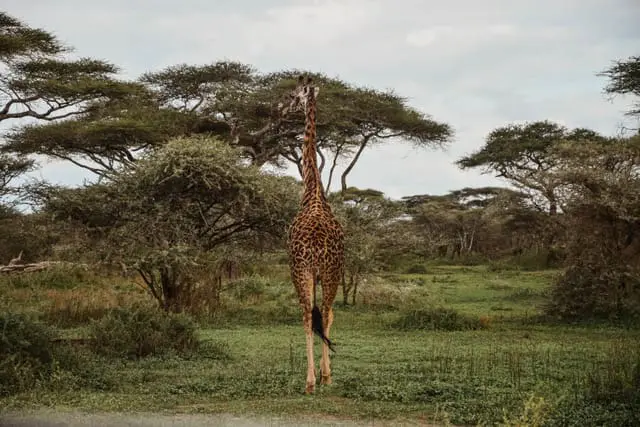
The southern part of the Rift Valley is home to a rich variety of wildlife, including elephants, giraffes, zebras and countless species of birds. Visitors can explore the region via game drives, walking trails and cultural tours that offer an insight into the lives of the local Maasai communities.
Meet the Herd: Discover the Elephants of Tarangire
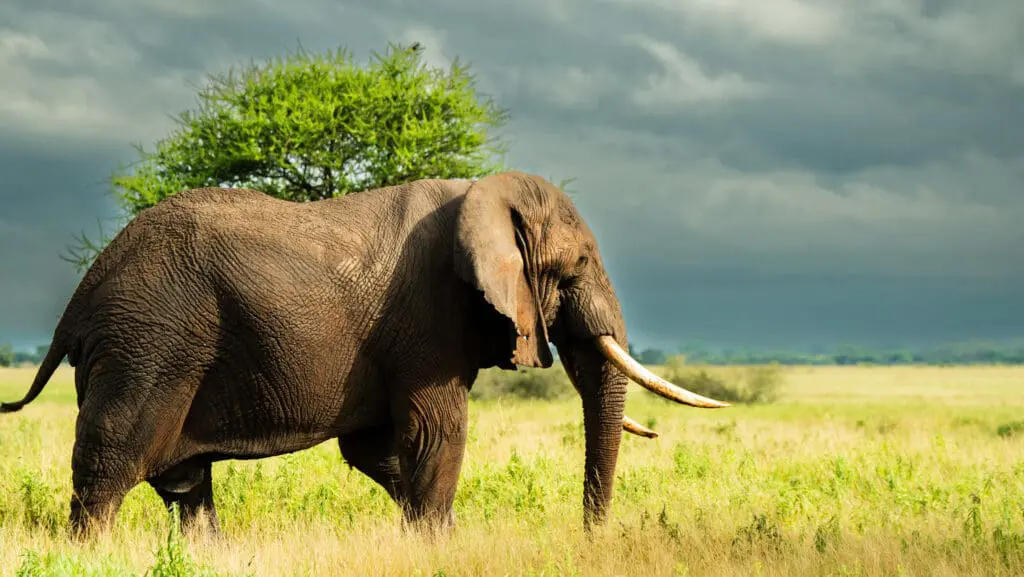
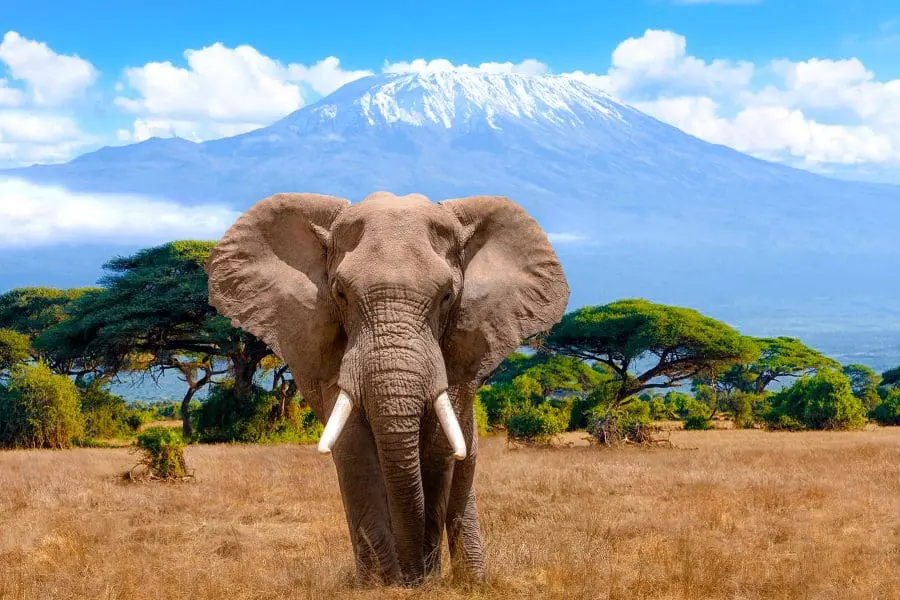
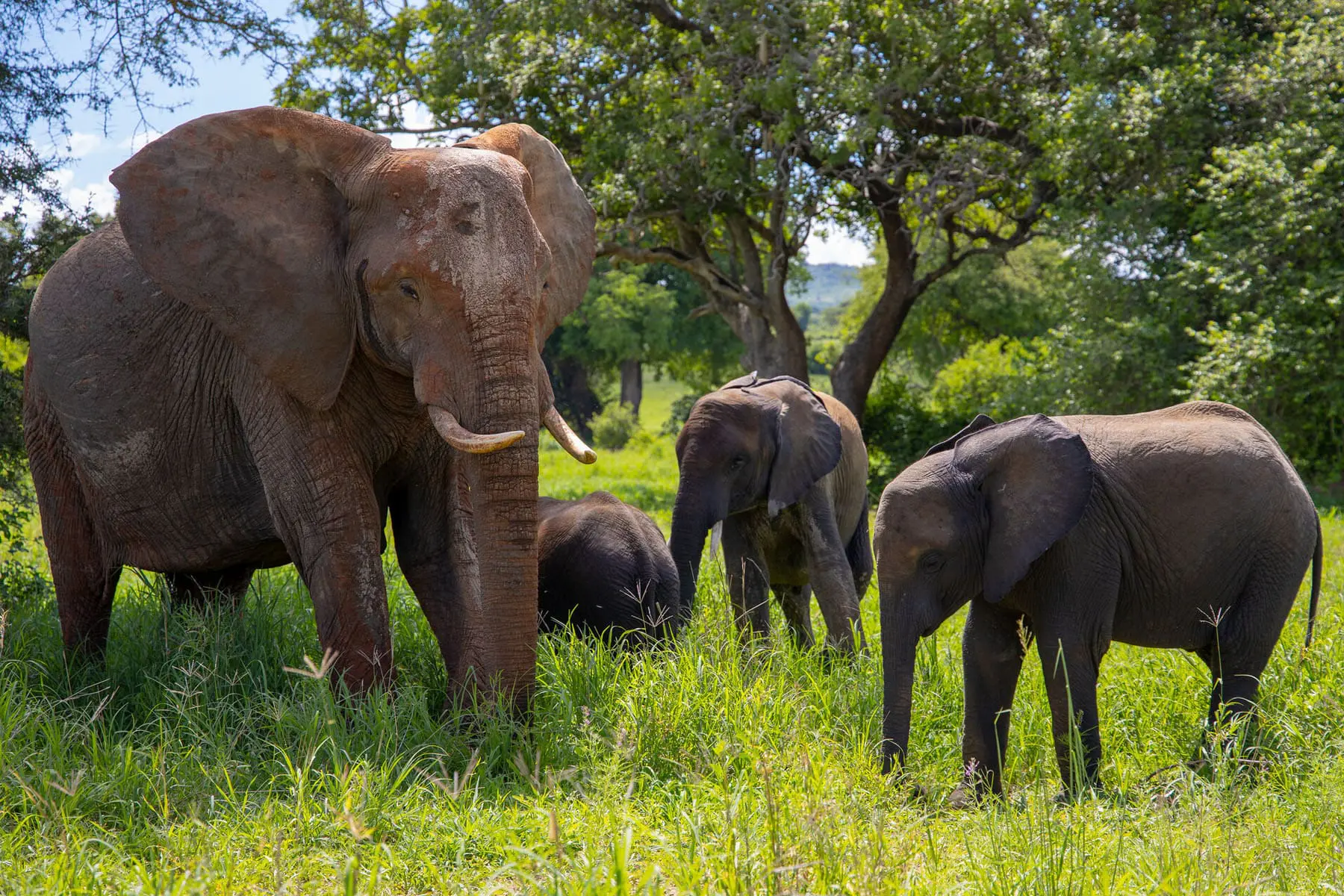
A visit to Tarangire National Park is like a journey back to prehistoric times, through a landscape dominated by the impressive silhouettes of ancient baobab trees beneath the vast African sky. Known as the ‘land of giants’, the park is particularly famous for its enormous herds of elephants, which gather along the lifeline of the Tarangire River during the dry season – which begins in June. But Tarangire offers more than just elephants: there is the thrill of spotting tree-climbing lions, the splendour of over 550 bird species, and the tension of survival dramas as zebras, wildebeest and buffalo converge on the dwindling water sources. A powerful, raw safari experience that fully immerses you in the pure essence of the East African wilderness.
Mto wa Mbu is a bustling farming village at the gateway to Lake Manyara National Park, unique for its incredible cultural diversity – with over 120 Tanzanian tribes living together in harmony. The lush, irrigated fields yield an abundance of fruit and grain, whilst the lively local market offers an authentic glimpse into Tanzanian rural life.
Lake Manyara: where water and wilderness meet
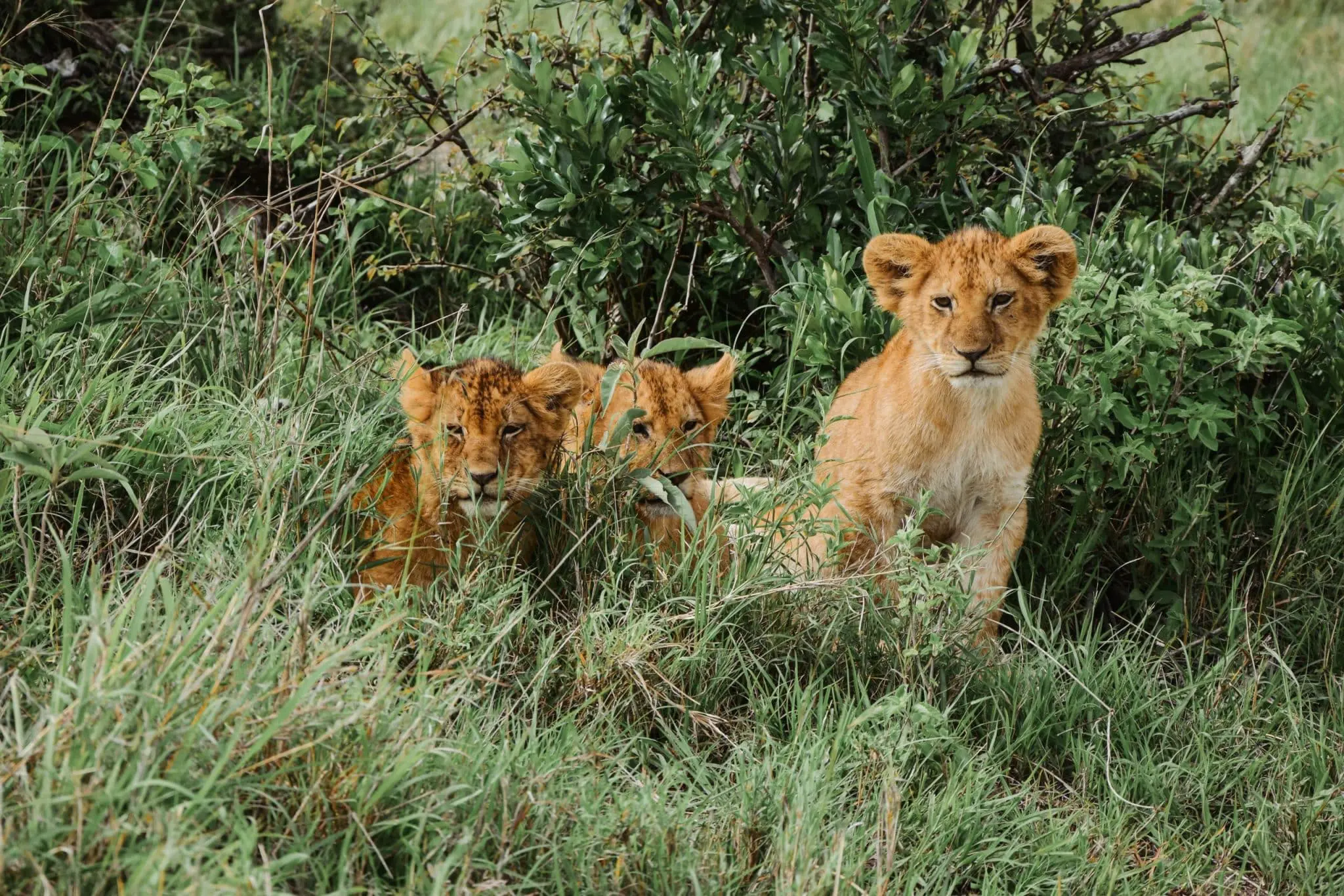
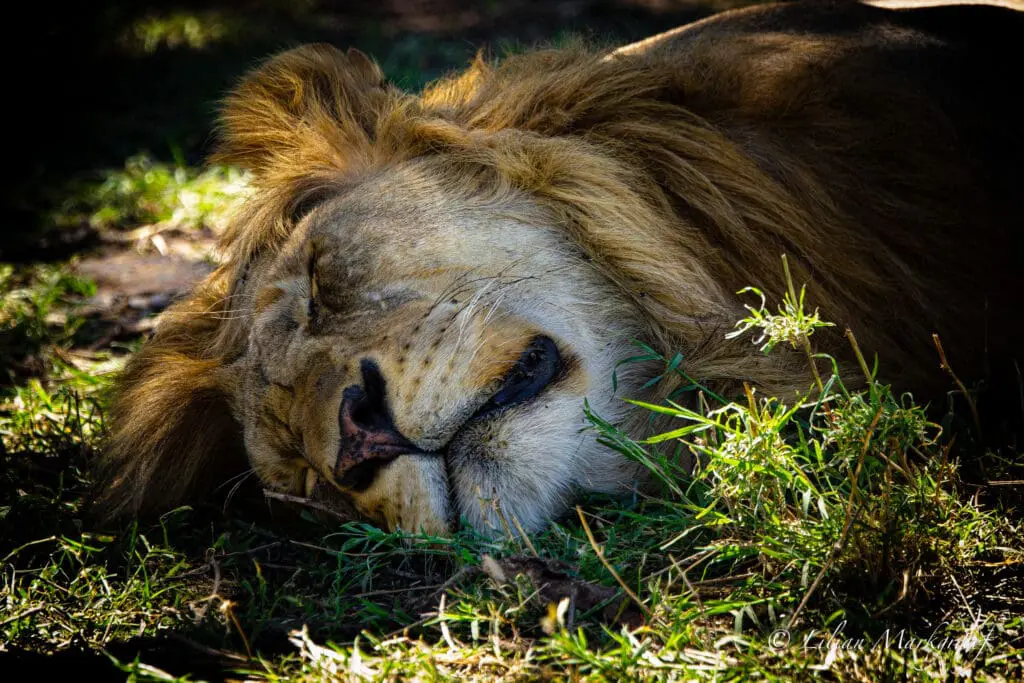
At the foot of the imposing western slope of the Great Rift Valley lies Lake Manyara National Park – a compact yet extraordinarily diverse safari destination. The park is world-famous for its unique population of tree-climbing lions, which are often spotted relaxing in the branches of acacia trees. At the heart of the park lies the vast, shallow soda lake, which glows with the pink flamingos that gather there in huge flocks – a breathtaking spectacle. Despite its modest size, Manyara offers a stunningly varied landscape: from dense groundwater forests teeming with baboons to open woodland and grassy plains. This mosaic-like environment is home to a high concentration of wildlife, including elephants, buffalo and over 400 species of birds. A true gem within Tanzania’s Northern Safari Route.
The area around Lake Natron in Tanzania, situated in the East African Rift Valley, is a region of rugged, otherworldly beauty dominated by a shallow, highly alkaline soda lake. This unique and harsh environment – often coloured red or pink by salt-loving microorganisms – is inhospitable to most life forms, but forms the world’s most important breeding ground for millions of lesser flamingos. Dominated by the impressive, active volcano Ol Doinyo Lengai (the ‘Mountain of God’ in Maasai), this region offers dramatic landscapes and the chance to witness this extraordinary bird spectacle, combined with encounters with the local Maasai culture.
A Flamingo Spectacle in a Volcanic Setting
A flamingo walk at Lake Natron is a surreal and unforgettable journey through one of the most dramatic landscapes on earth, offering a front-row seat to an impressive wildlife spectacle. Visiting during the height of the breeding season is particularly worthwhile, when the lake transforms into the world’s most important nesting site for millions of young flamingos. Accompanied by a local Maasai guide, you’ll walk across the vast, glistening salt flats – a cracked, baked soda landscape in the shadow of the sacred volcano Ol Doinyo Lengai – to the edge of the shallow, alkaline water. There you’ll be greeted by the breathtaking sight and sound of a sea of pink, as the flamingos forage, mate and tend to their nests. This allows you to form a deep connection with the raw, ancient beauty of a landscape found nowhere else on earth.
Ngare Sero Waterfall: A hidden oasis
A tour to Ngare Sero Waterfall is an exciting, adventurous hike and the perfect refreshing escape from the intense heat of the area around Lake Natron. This is no ordinary walk; accompanied by a local Maasai guide, you’ll walk straight into the river, wading through cool water up to your ankles or knees and scrambling over rocks as you traverse a stunning, narrow gorge with towering, colourful cliffs providing welcome shade. Your adventurous trek ends at a stunning hidden waterfall that flows into a crystal-clear pool, where you can take a refreshing dip – the ultimate reward for your efforts. This tour is ideal for active and adventurous travellers who want to cool off and experience the impressive geological beauty of the Rift Valley up close.
Mto wa Mbu is a bustling farming village at the gateway to Lake Manyara National Park, unique for its incredible cultural diversity – with over 120 Tanzanian tribes living together in harmony. The lush, irrigated fields yield an abundance of fruit and grain, whilst the lively local market offers an authentic glimpse into Tanzanian rural life.
Nestled in the cool, green highlands of northern Tanzania, the lively farming town of Karatu is a popular base for travellers wishing to explore the wonders of the Ngorongoro Conservation Area, the iconic Ngorongoro Crater, and the Lake Manyara and Tarangire National Parks. Surrounded by fertile fields and flourishing coffee plantations, Karatu offers a refreshing stopover, where visitors can experience the authentic rhythm of Tanzanian rural life – right at the crossroads of agriculture and tourism.
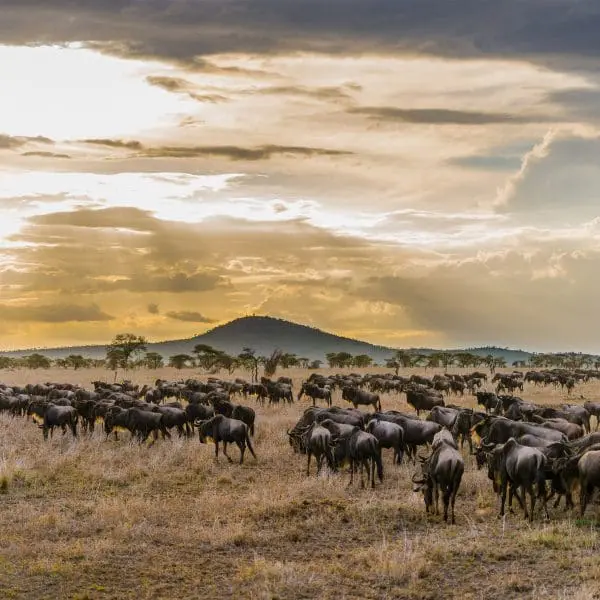
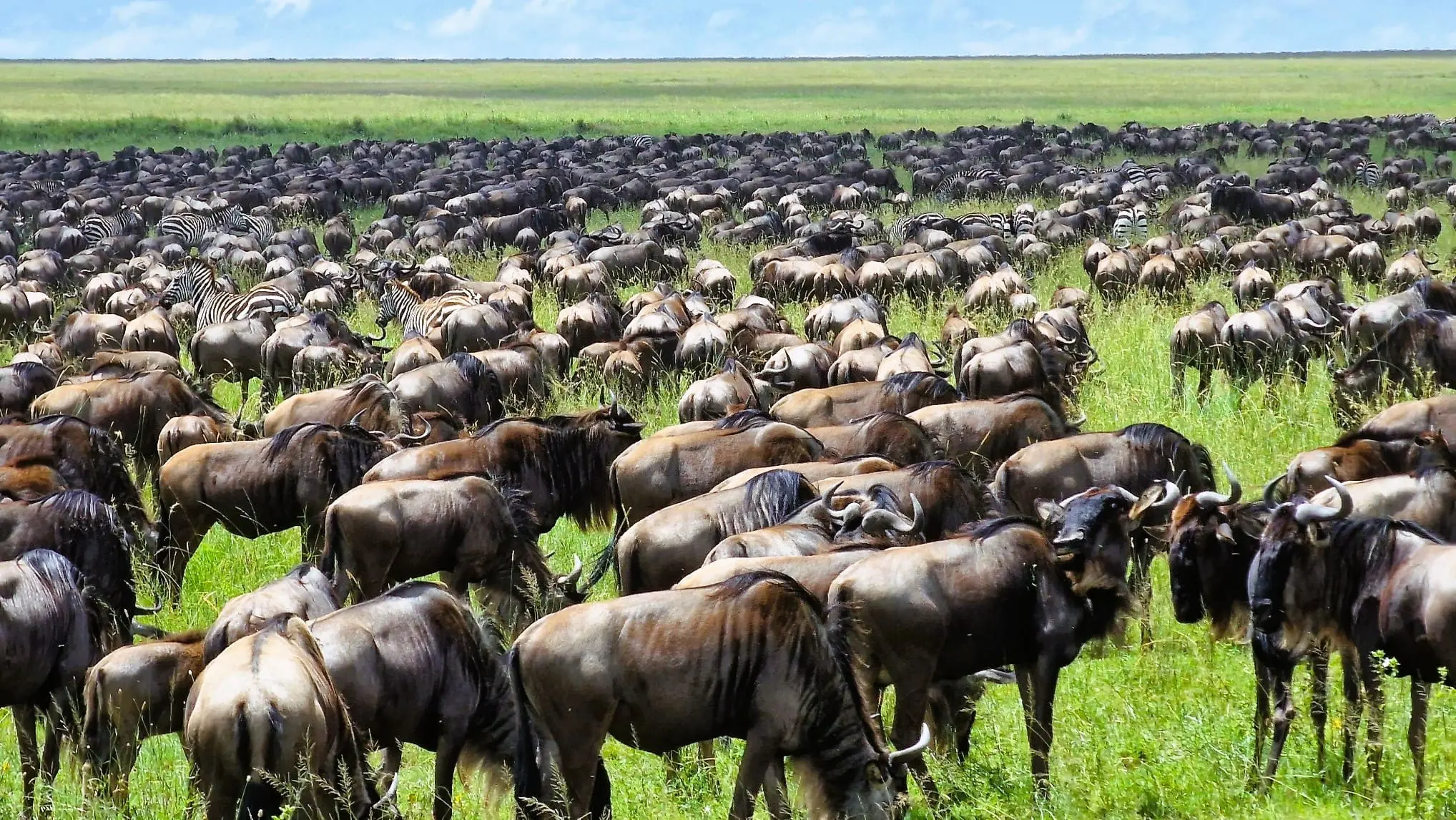
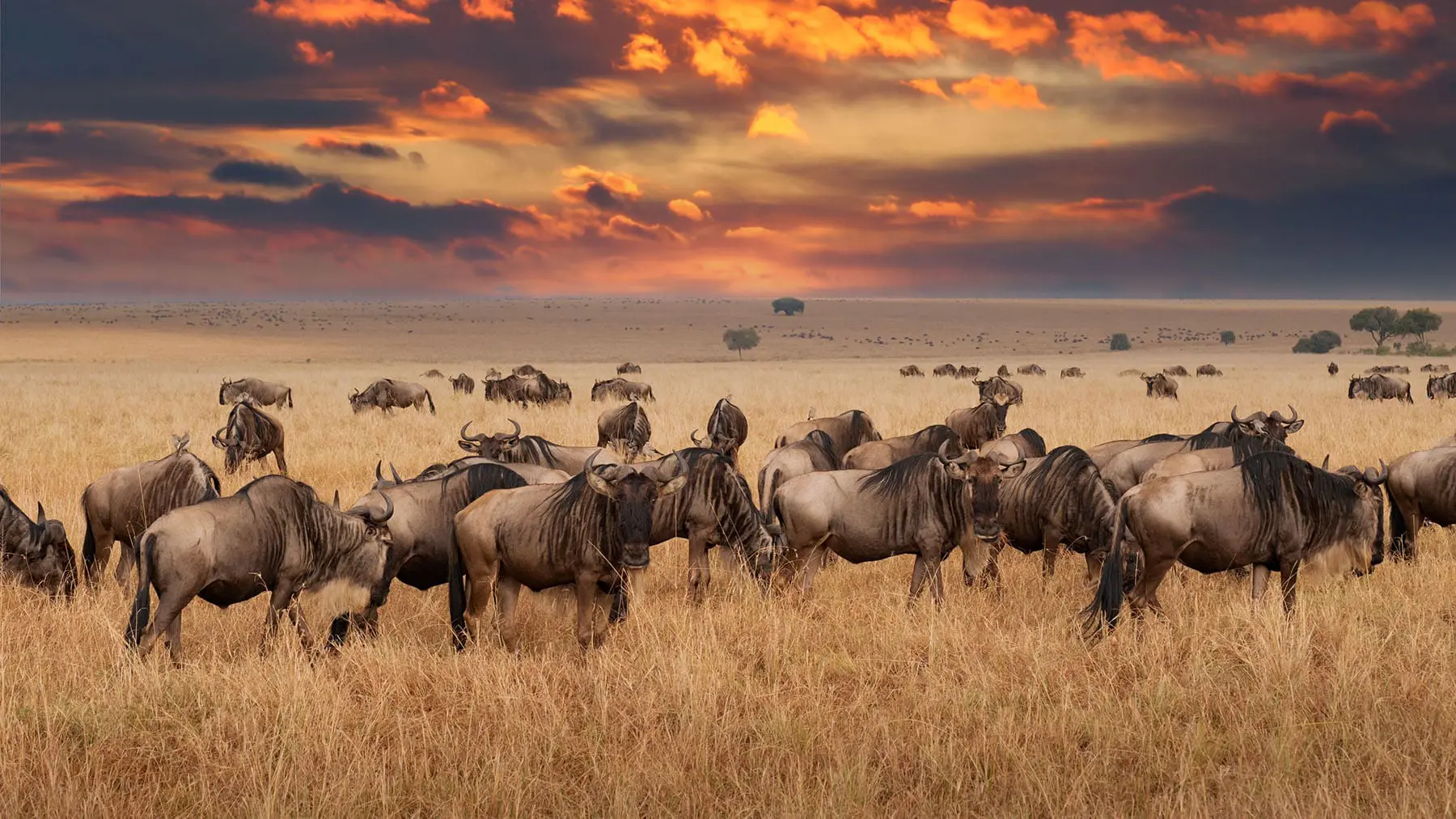
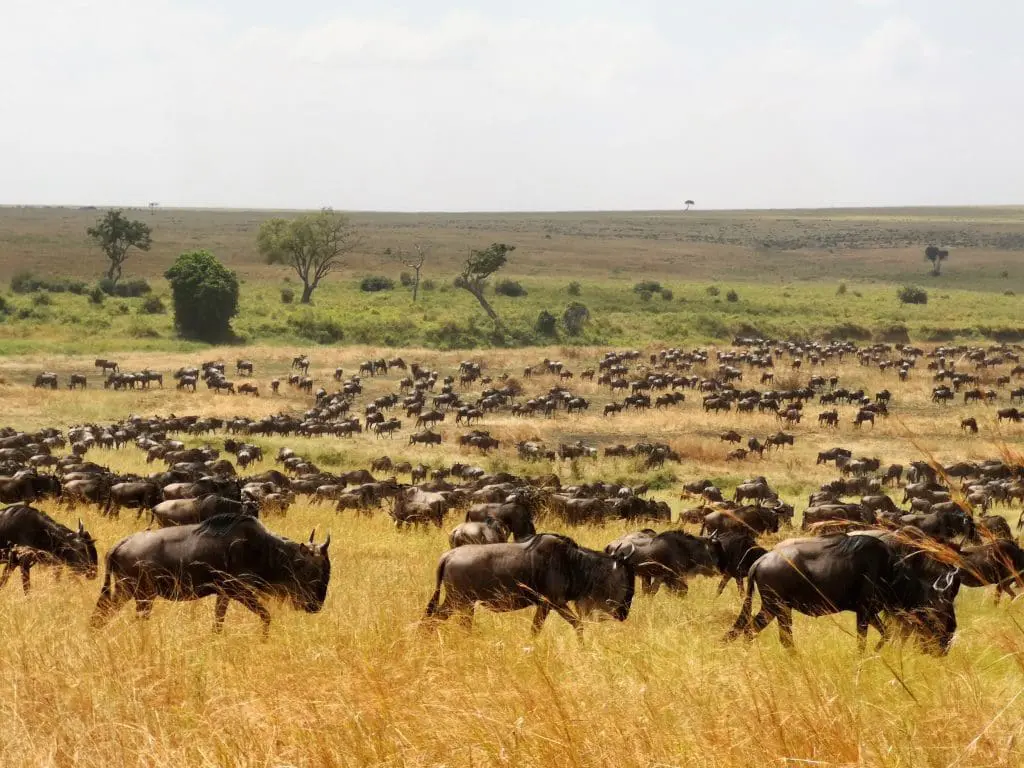
The area around Ndutu, situated on the border between the southern Serengeti ecosystem and the Ngorongoro Conservation Area, transforms into a scene of intense natural spectacle every rainy season (usually from December to March). It is known worldwide as the calving ground of the Great Migration: hundreds of thousands of wildebeest gather here on the nutrient-rich short-grass plains to give birth to their young. This impressive explosion of new life inevitably attracts a high concentration of predators, making Ndutu an absolute top location for experiencing breathtaking wildlife moments.
Ngorongoro Crater – The Eighth Wonder of the World
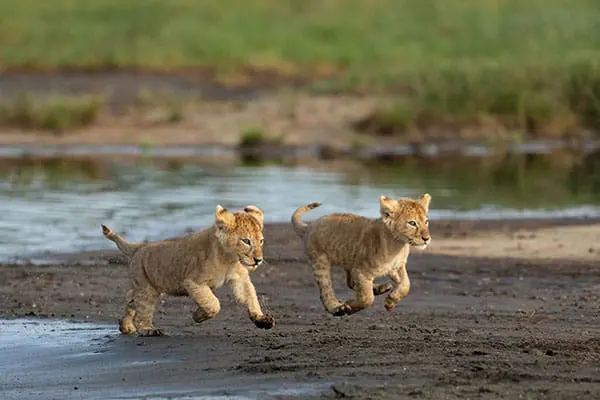
A world unto itself – the Ngorongoro Crater is a vast, vibrant ecosystem, nestled within the walls of the world’s largest intact caldera. This UNESCO World Heritage Site acts as a natural enclosure, where steep cliffs 600 metres high protect a stunning concentration of life on the fertile plains below. It is a realm of unparalleled biodiversity, where buffalo graze, lion prides reign and the critically endangered black rhino finds a rare refuge. For visitors, the crater is an almost guaranteed setting for a natural spectacle, offering an exceptional chance to spot all the ‘Big Five’ during a single unforgettable safari.
Ndutu: Experience the wildebeest calving season
Discovering the Ndutu region means exploring the legendary calving grounds of the Great Migration, a vast landscape on the border of the Southern Serengeti and the Ngorongoro Conservation Area that offers a dramatically different experience with each season. From December to March, these plains host the incredible spectacle of hundreds of thousands of wildebeest calving, attracting a huge concentration of predators for non-stop, spectacular action. In other seasons, however, such as now during the dry month of June, Ndutu takes on a quieter character. With the large herds having migrated northwards, the area offers a more intimate and exclusive safari with far fewer vehicles, ideal for tracking the strong populations of native animals — including the famous lion prides, cheetahs and elephants — that gather around the remaining water sources. A visit to Ndutu is always rewarding, offering on the one hand the chaotic drama of the migration’s calving grounds and on the other the peaceful solitude of a classic East African wilderness.
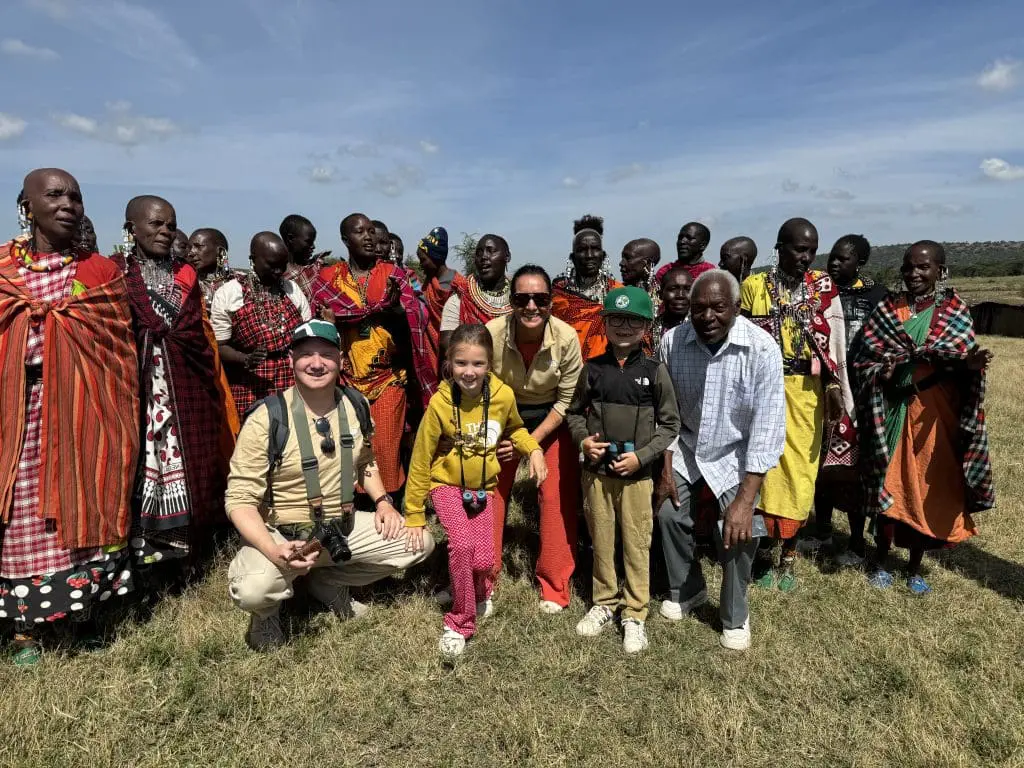
Ololosokwan is a vibrant Maasai village and community area on the north-eastern border of Tanzania’s iconic Serengeti National Park, often situated within the Loliondo Game Controlled Area. The village is renowned for its pioneering form of community-based conservation, in which the local Maasai actively contribute to the protection of wildlife whilst upholding their traditional, pastoral way of life. Visitors can take part in authentic cultural experiences here, such as visiting a traditional boma, learning about Maasai customs and beadwork, and experiencing daily life – all within a unique setting where people and wildlife coexist in this vital buffer zone.
Serengeti – The Soul of Africa
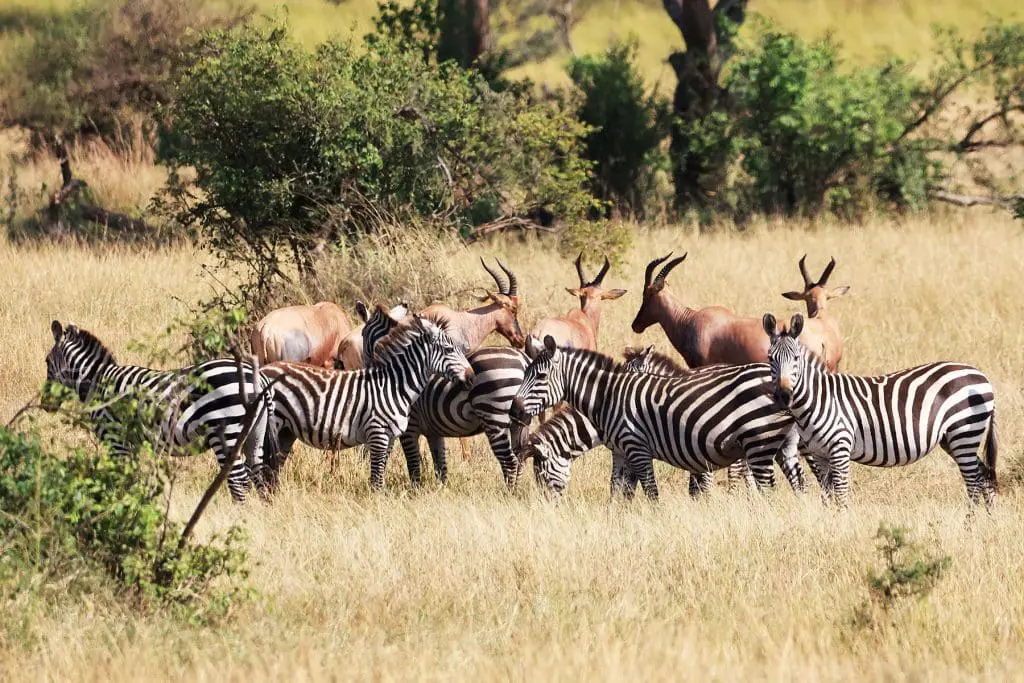
Discover the Serengeti National Park – a breathtaking haven in northern Tanzania, where nature flourishes in its purest form. Famous for its vast golden plains, impressive seasonal migrations and exceptional wildlife, the Serengeti offers a first-class view of one of the world’s greatest natural wonders. Here, thundering herds of wildebeest and zebras race across the horizon, whilst lions, cheetahs and other stealthy predators move silently through the tall grass. From the glow of a sunrise over the endless savannah to the silhouettes of ancient acacia trees at sunset – every moment in the Serengeti is an enchanting encounter with the wild. More than just a destination, it is a powerful, unforgettable journey to the soul of Africa.
Pololeti Game Reserve – A Hidden Paradise for Wildlife
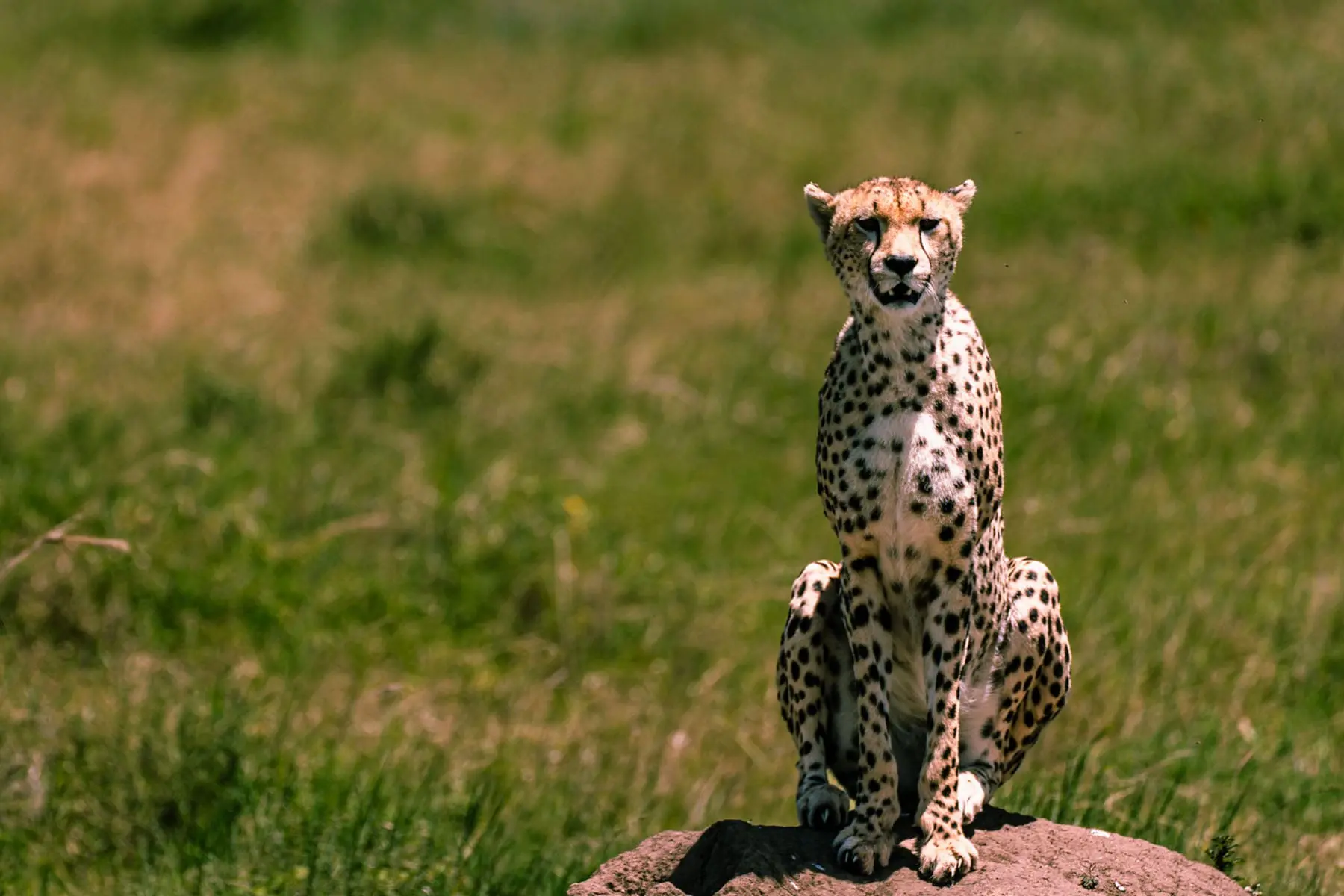
An exploration of the Pololeti Game Reserve offers the chance to experience the magnificent Serengeti ecosystem from an exclusive and intimate perspective – far removed from the hustle and bustle of the main park. As a crucial, unfenced buffer zone on the eastern edge of the Serengeti, this vast wilderness area serves as a transit route for the Great Migration at various stages of its annual cycle, and is home to an impressive population of permanent residents throughout the year. Safaris across the vast plains reveal prides of lions, elusive leopards, cheetahs, elephants and giraffes. As a private reserve, Pololeti often offers a more flexible safari experience, with opportunities for off-road driving and night safaris – an ideal destination for the discerning safari enthusiast seeking tranquillity, exclusivity and an authentic connection with the wild heart of the Serengeti.
Ikoma is situated just outside the north-western boundary of the Serengeti National Park, near the Grumeti River and the Ikoma Gate. This area serves as an important buffer zone and is renowned for unique safari experiences such as night safaris and guided walking safaris – activities that are often not permitted within the park itself. Ikoma offers access to the rich ecosystem of the Serengeti and reveals a different perspective on the African bush, with a mix of migratory species and permanent residents.
Serengeti National Park – Africa’s ultimate safari destination
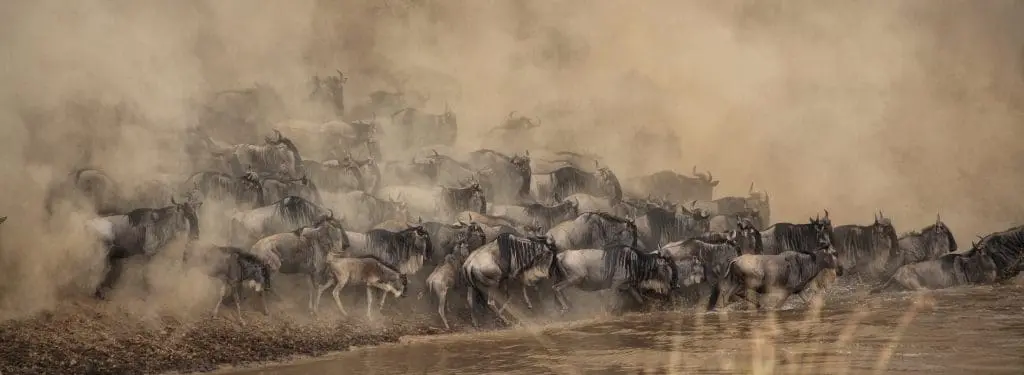
A visit to the Serengeti National Park is an immersion in one of the most iconic and breathtaking wildlife areas in the world. The name ‘Serengeti’ means ‘endless plains’, and the park more than lives up to this: vast, golden-yellow savannahs stretch to the horizon, interspersed with acacia trees and granite rock formations. The Serengeti is world-famous for its incredible wildlife density, including the “Big Five”, and offers one of the best places in Africa to observe big cats. The absolute highlight is the Great Wildebeest Migration, and right now – mid-June – is the perfect time to witness the spectacular river crossings. The immense herds are usually found in the Western Corridor, where they brave the perilous crossing of the crocodile-filled Grumeti River on their way north. Even outside the migration period, the Serengeti offers exceptional wildlife viewing all year round, and the park evokes a timeless sense of deep connection with the pure, untamed soul of Africa.
Serengeti – Walking amongst the wildlife, enjoying the sunset views
Embark on an intimate exploration of the Ikona Wilderness area during a guided walking safari that brings you face to face with the unspoilt beauty of the bush. Accompanied by an experienced guide and an armed ranger, you’ll connect deeply with nature as you follow wildlife tracks on foot and develop an eye for the subtle details of flora and fauna that often go unnoticed from a vehicle. This immersive experience flows seamlessly into a beloved safari tradition: the sundowner. As the afternoon light softens, you’ll enjoy panoramic views of the plains, refreshing drinks and tasty snacks at a carefully chosen location. Meanwhile, the African sun paints the sky in warm hues and the sounds of the day slowly give way to the evening concert of the wilderness.
Ikona Night Safari – The wilderness after sunset
Experience how the African bush comes to life after sunset during an Ikona Night Safari – an exciting adventure not permitted in the neighbouring Serengeti National Park. Under a starry sky, a powerful spotlight reveals a hidden world of nocturnal animals such as the genet, civet and galago (bush baby). Predators are also at their most active at this time, giving you the rare chance to see a lion on the hunt or follow a leopard silently through the undergrowth. A sensory safari full of excitement, in which the wild reveals its 24-hour rhythm.
Seronera Airstrip (SEU) is the bustling aviation hub at the heart of Tanzania’s iconic Serengeti National Park. Strategically situated in the Seronera Valley, this airstrip serves as the main air gateway for travellers on fly-in safaris. It offers direct and easy access to the central part of the Serengeti, famous for its exceptional year-round wildlife concentrations – particularly its impressive populations of big cats. Thanks to its central location, the airstrip is essential for exploring this wildlife-rich heart of the Serengeti.
Arusha Airport (ARK) serves as the bustling domestic gateway to unforgettable adventures in Tanzania. The airport takes travellers directly to the heart of East Africa’s most beloved wildlife destinations in the north of the country. From this strategically located airport, just outside the city of Arusha, countless safaris depart daily via charter flights or domestic connections to iconic locations such as the vast plains of the Serengeti, the unique ecosystem of the Ngorongoro Crater, and the varied landscapes of Lake Manyara and Tarangire National Parks.
Arusha Airport offers direct access to the northern safari route, making it the ideal starting point for any safari. Work is currently underway to upgrade the airport’s infrastructure in order to better serve the steady stream of international visitors – and thus further cement its reputation as the gateway to the northern safari experience.
Inclusions
- *Parking fees (for non-residents)
- *All activities (unless marked as optional)
- *All accommodation (unless specified as an upgrade)
- *A professional driver/guide
- *All transport (unless marked as optional)
- *All taxes/VAT
- *Meals (as specified in the day-by-day itinerary)
Exclusions
- *International flights (To/from home)
- *Tips (Guideline for tips: US$10.00 per person per day)
- *Personal expenses (souvenirs, travel insurance, visa fees, etc.)
- *Government-imposed increases in taxes and/or parking charges
- *Village surcharges and tourism development fees (US$2.50 per person per night, payable at the lodge)
- *Verplichte inkomende reisverzekering (US$ 44 per volwassene en US$ 22 per kind)