
Welcome to
Migration Special and Tanzania Northern Circuit
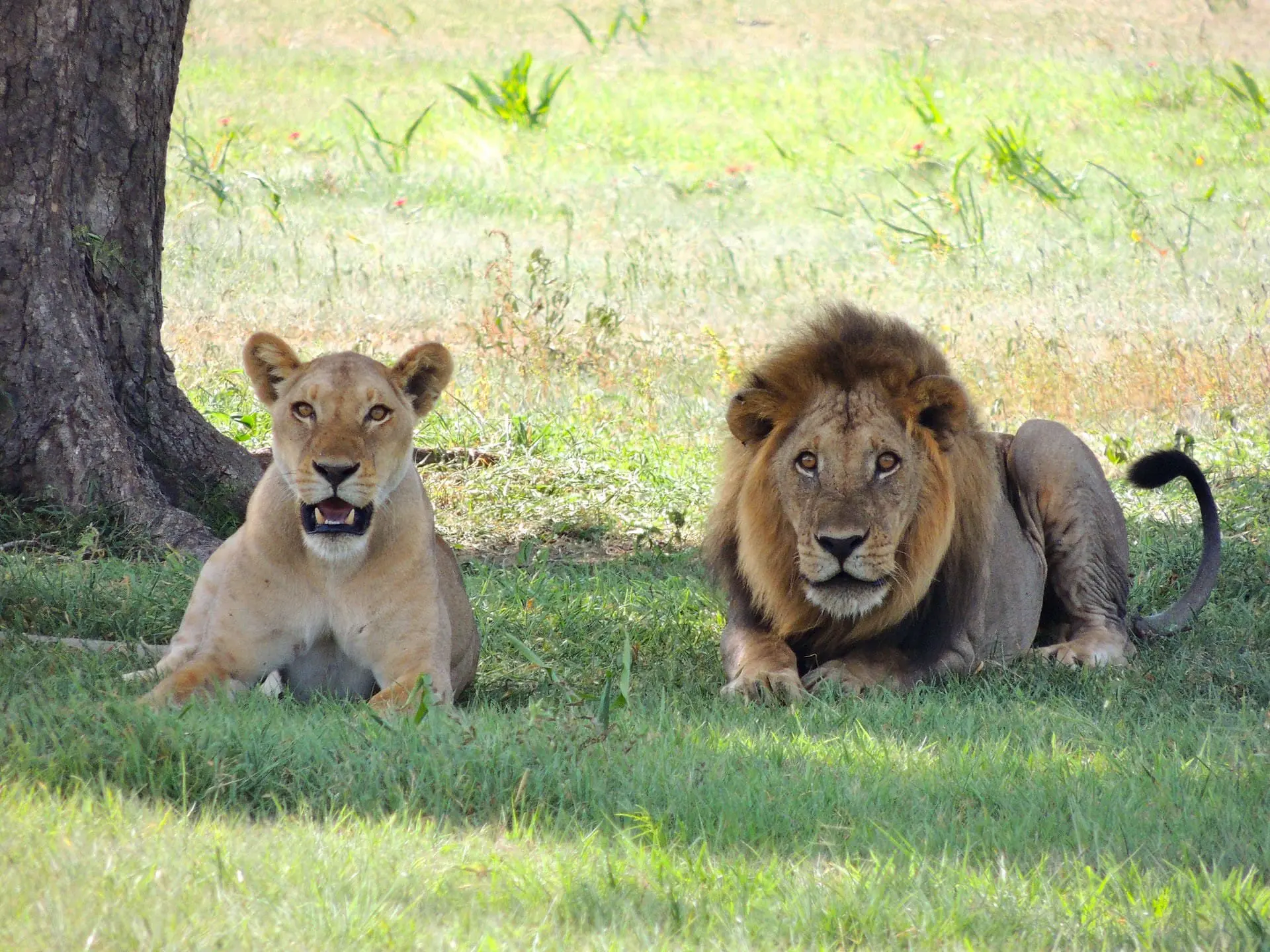
Embark on a 13-day safari adventure through Tanzania’s Northern Circuit and discover the country’s most famous national parks and game reserves. Spot tree-climbing lions at Lake Manyara, marvel at the enormous herds of elephants in Tarangire, and experience the vast savannas of the Serengeti.
Explore the impressive Ngorongoro Crater, visit the calving grounds at Lake Ndutu, and venture into the untamed wilderness of the Pololeti Game Reserve.
Price per person from: $2931
Duration: 13
Highlights
- Experience a once-in-a-lifetime adventure on Tanzania’s Northern Circuit.
- Discover the breathtaking nature and diverse wildlife of this East African gem.
- Begin your journey in the vibrant city of Arusha, the gateway to Tanzania’s iconic national parks and reserves.
Private
Departure Guaranteed
With Guide (English)
Physical intensity: Relaxed
Itinerary
At the foot of Mount Meru lies Arusha—Tanzania’s bustling safari capital and the starting point for legendary adventures in East Africa. This lively city serves as the gateway to the northern safari circuit and opens the way to iconic destinations such as the vast Serengeti, the impressive Ngorongoro Crater, and the majestic Kilimanjaro. Arusha offers more than just a departure point: enjoy lively markets, cultural experiences, and all the amenities you need for the ultimate wildlife journey.
Mto wa Mbu is a bustling farming village at the gateway to Lake Manyara National Park, unique for its incredible cultural diversity—with more than 120 Tanzanian tribes living together peacefully. The lush, irrigated fields yield an abundance of fruit and grains, while the lively local market offers an authentic glimpse into rural Tanzanian life.
The Rift Valley south of Lake Manyara is a breathtaking region in Tanzania, known for its steep cliffs, lush landscapes, and diverse ecosystems. The striking terrain—with dramatic slopes and vast plains—provides the perfect backdrop for nature lovers and adventurers.
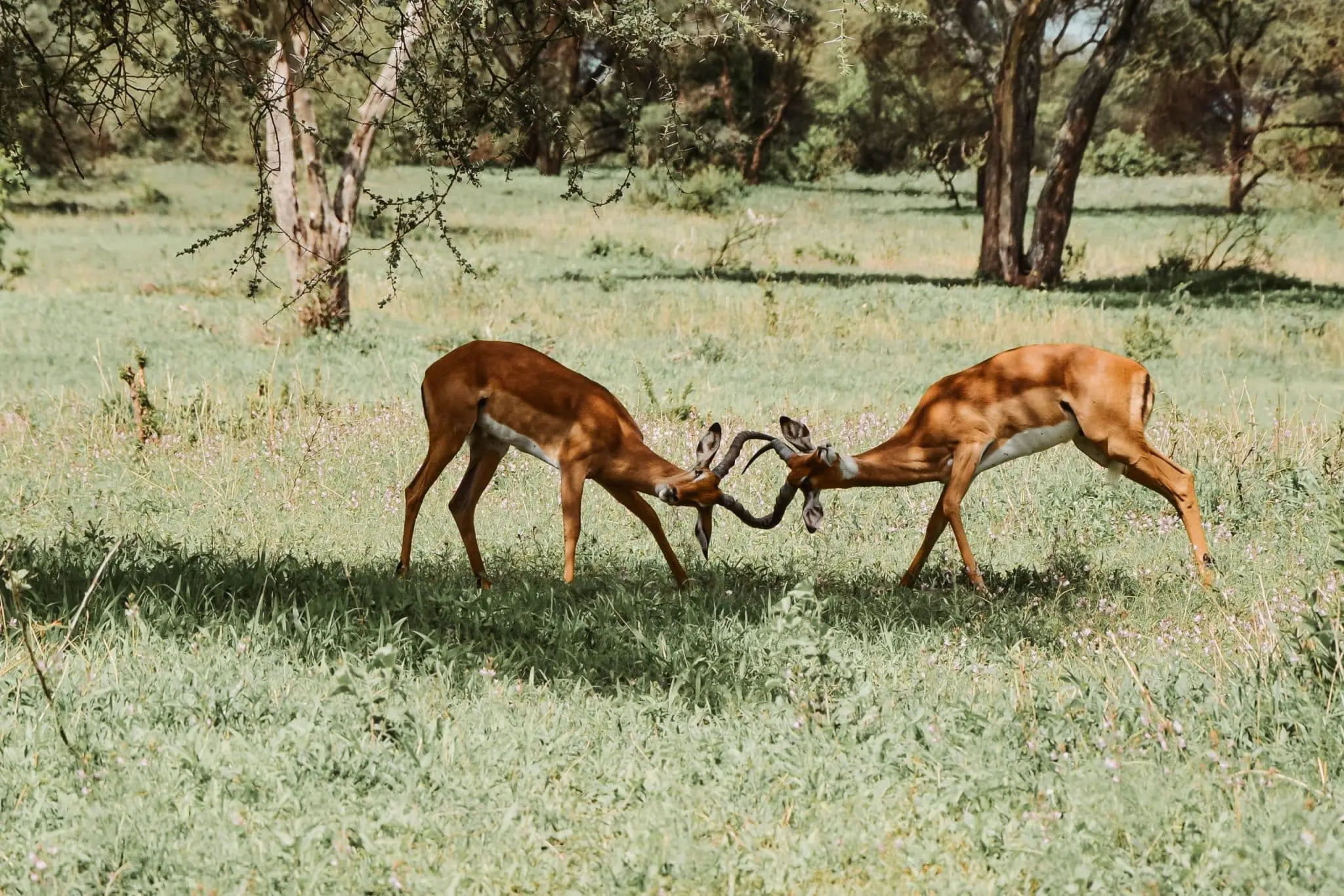
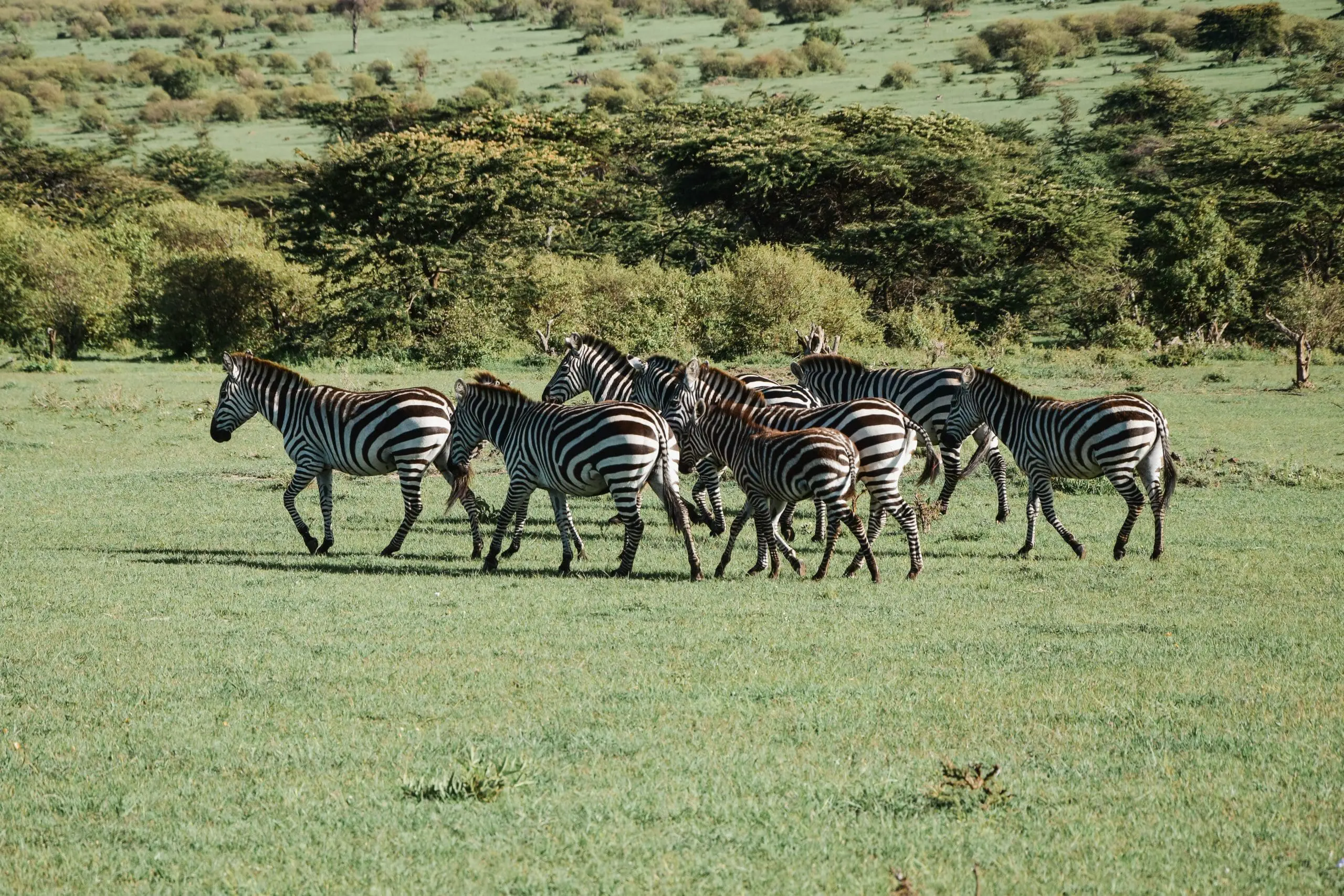
The southern part of the Rift Valley is home to a rich variety of wildlife, including elephants, giraffes, zebras, and countless bird species. Visitors can explore the region through game drives, hiking trails, and cultural tours that offer insight into the lives of the local Maasai communities.
Lake Manyara – A Paradise in the Rift Valley
Nestled at the foot of the imposing western slope of the Great Rift Valley, Lake Manyara National Park offers a compact yet remarkably varied safari experience. The park is world-famous for its unique population of tree-climbing lions, which can often be seen relaxing in the branches of acacia trees. The heart of the park is formed by the vast, shallow soda lake, which glistens with thousands of pink flamingos—a breathtaking sight. Despite its modest size, Manyara boasts an astonishing diversity of landscapes: from dense groundwater forests teeming with large troops of baboons to open woodlands and grassy plains. This diversity supports an impressive array of wildlife, including elephants, buffalo, and more than 400 bird species, making Lake Manyara a picturesque gem of Tanzania’s Northern Circuit.
Mto wa Mbu is a bustling farming village at the gateway to Lake Manyara National Park, unique for its incredible cultural diversity—with more than 120 Tanzanian tribes living together peacefully. The lush, irrigated fields yield an abundance of fruit and grains, while the lively local market offers an authentic glimpse into rural Tanzanian life.
Tarangire: Land of Giants
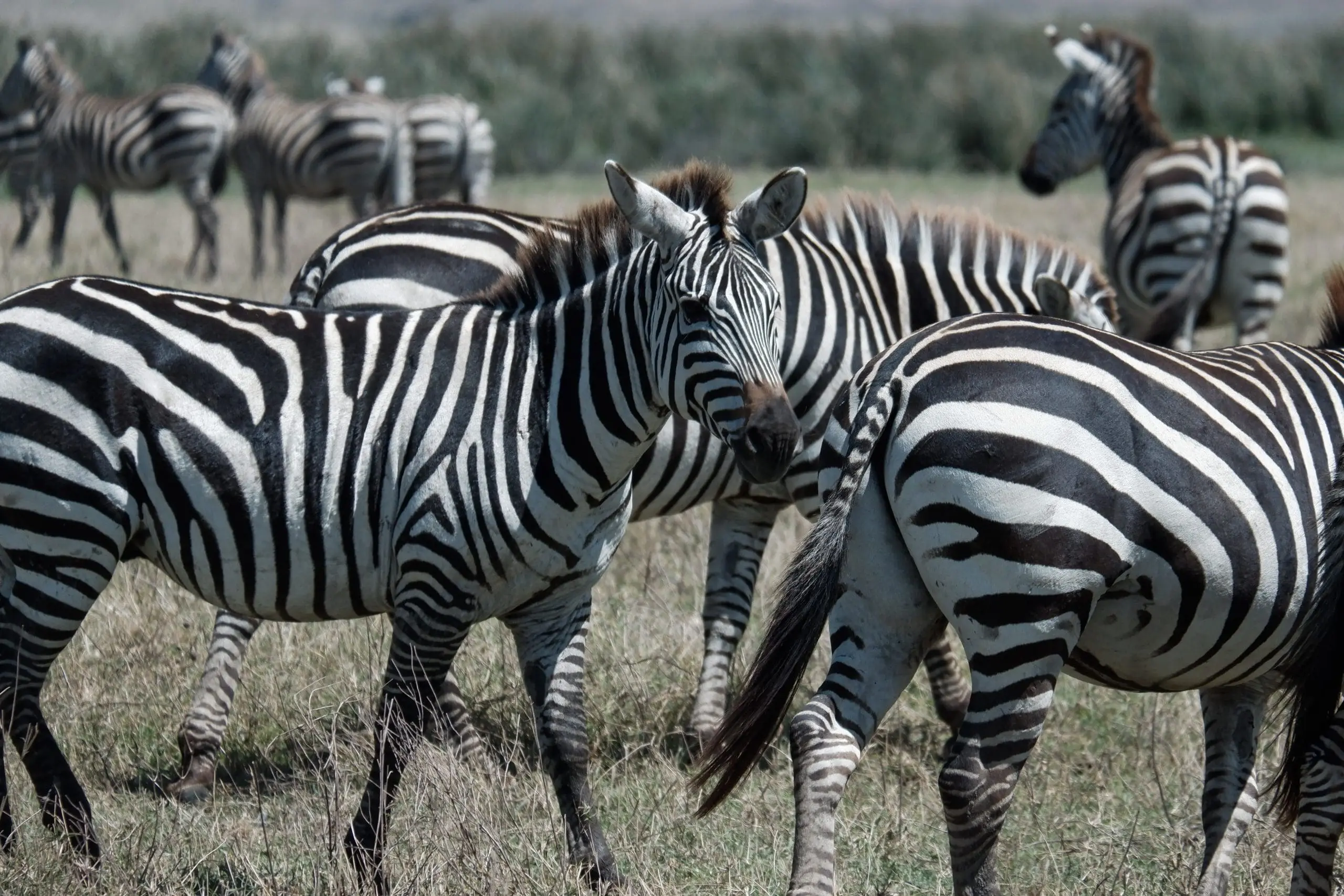
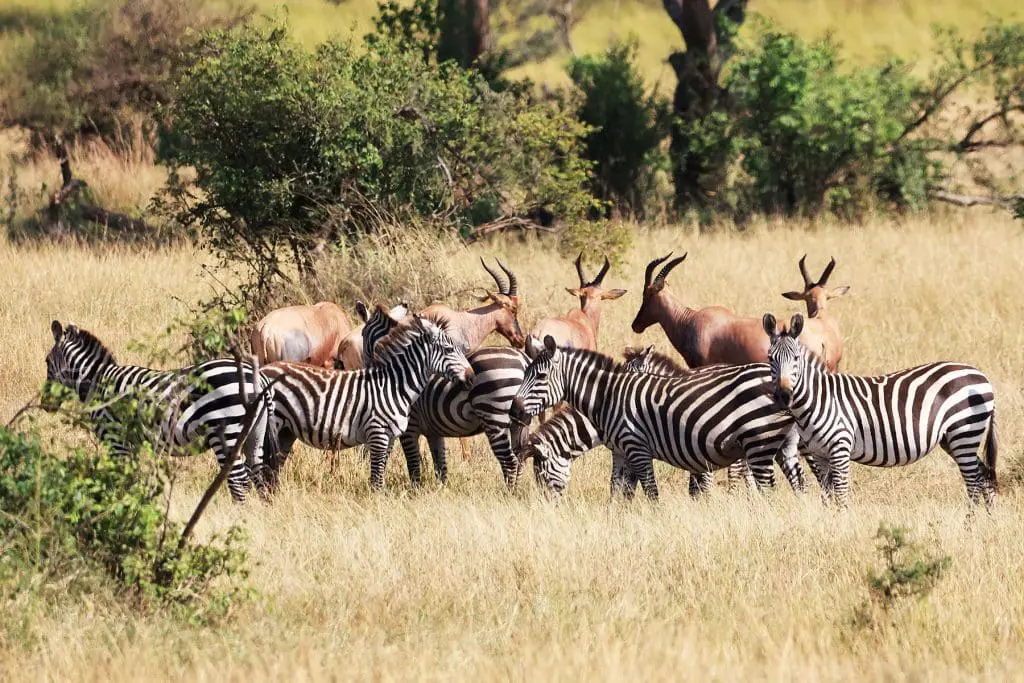
A visit to Tarangire National Park is like a journey back to prehistoric times, through a landscape dominated by the impressive silhouettes of ancient baobab trees beneath the vast African sky. Known as the “land of giants,” the park is especially famous for its enormous herds of elephants, which gather along the lifeline of the Tarangire River during the dry season—which begins in June. But Tarangire offers more than just elephants: there’s the thrill of spotting tree-climbing lions, the splendor of more than 550 bird species, and the suspense of survival dramas as zebras, wildebeests, and buffalo converge on the increasingly scarce water sources. A powerful, raw safari experience that fully immerses you in the pure essence of the East African wilderness.
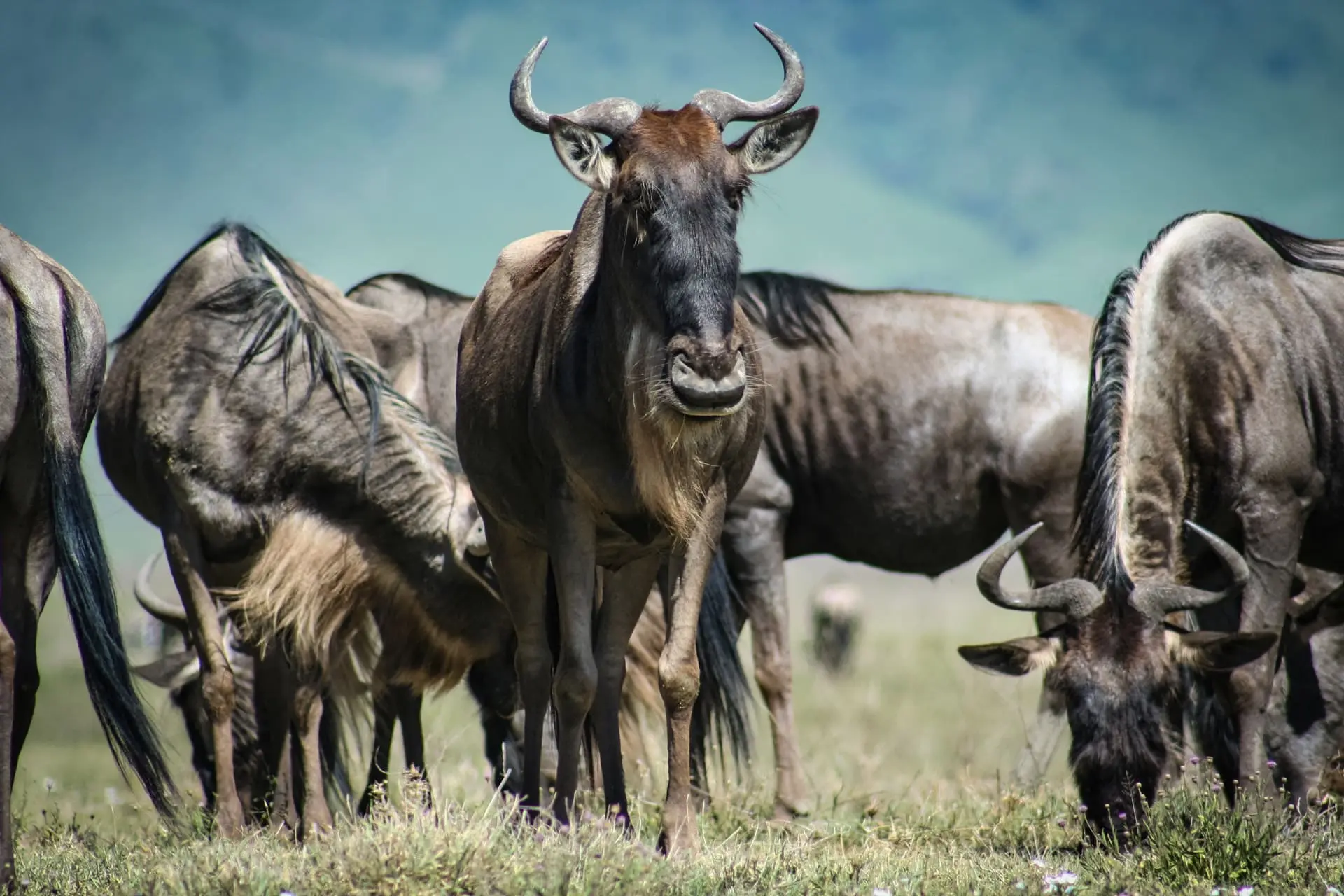
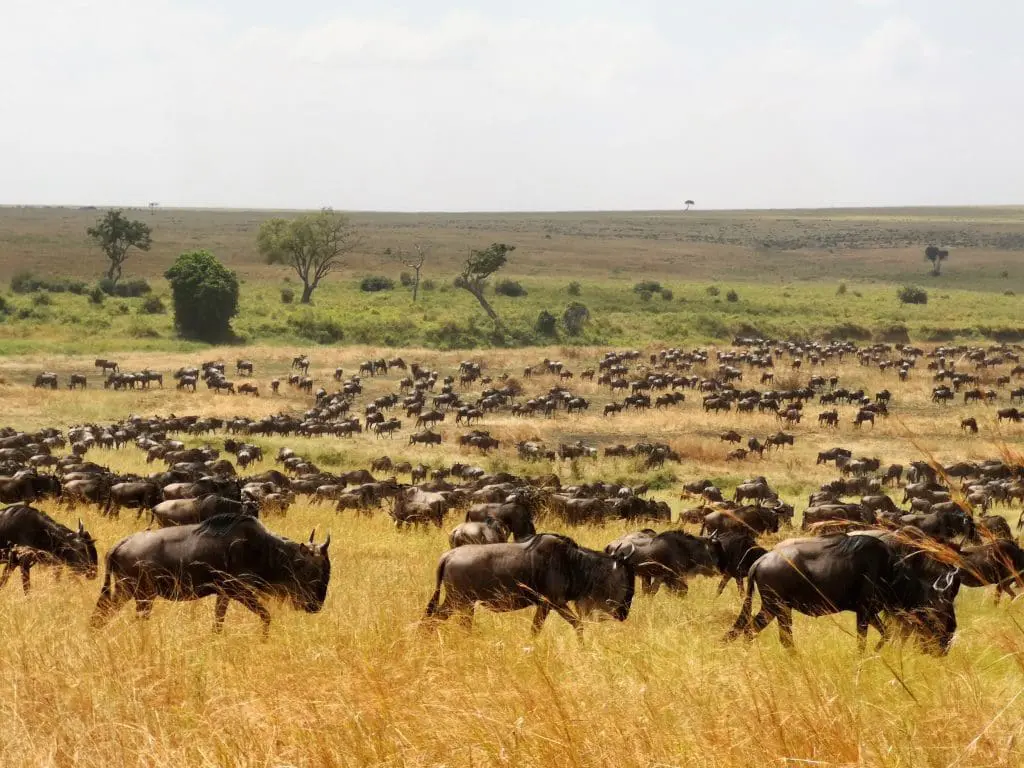
The area around Ndutu, located on the border between the southern Serengeti ecosystem and the Ngorongoro Conservation Area, transforms into a scene of intense natural spectacle every rainy season (usually from December to March). It is known worldwide as the calving ground of the Great Migration: hundreds of thousands of wildebeests gather here on the nutrient-rich short-grass plains to give birth to their young. This impressive burst of new life inevitably attracts a high concentration of predators, making Ndutu an absolute top destination for experiencing breathtaking wildlife moments.
Ndutu: Experience the wildebeest calving season
Discovering the Ndutu region means exploring the legendary calving grounds of the Great Migration—a vast landscape on the border of the Southern Serengeti and the Ngorongoro Conservation Area that offers a dramatically different experience with each season. From December through March, these plains host the incredible spectacle of hundreds of thousands of wildebeests calving, which attracts a massive concentration of predators for nonstop, spectacular action. In other seasons, however—such as now during the dry month of June—Ndutu takes on a quieter character. With the large herds having migrated northward, the area offers a more intimate and exclusive safari with far fewer vehicles, ideal for tracking the robust populations of native animals—including the famous lion prides, cheetahs, and elephants—that gather around the remaining water sources. A visit to Ndutu is always rewarding, offering, on the one hand, the chaotic drama of the migration’s calving grounds and, on the other, the peaceful solitude of a classic East African wilderness.
Just outside the northwestern boundary of Serengeti National Park, near the Grumeti River and the Ikoma Gate, lies Ikoma. This area serves as an important buffer zone and is known for unique safari experiences such as night safaris and guided walking safaris—activities that are often not permitted within the park itself. Ikoma provides access to the Serengeti’s rich ecosystem and offers a different perspective on the African bush, featuring a mix of migratory species and permanent residents.
Serengeti National Park – Africa’s Ultimate Safari Destination
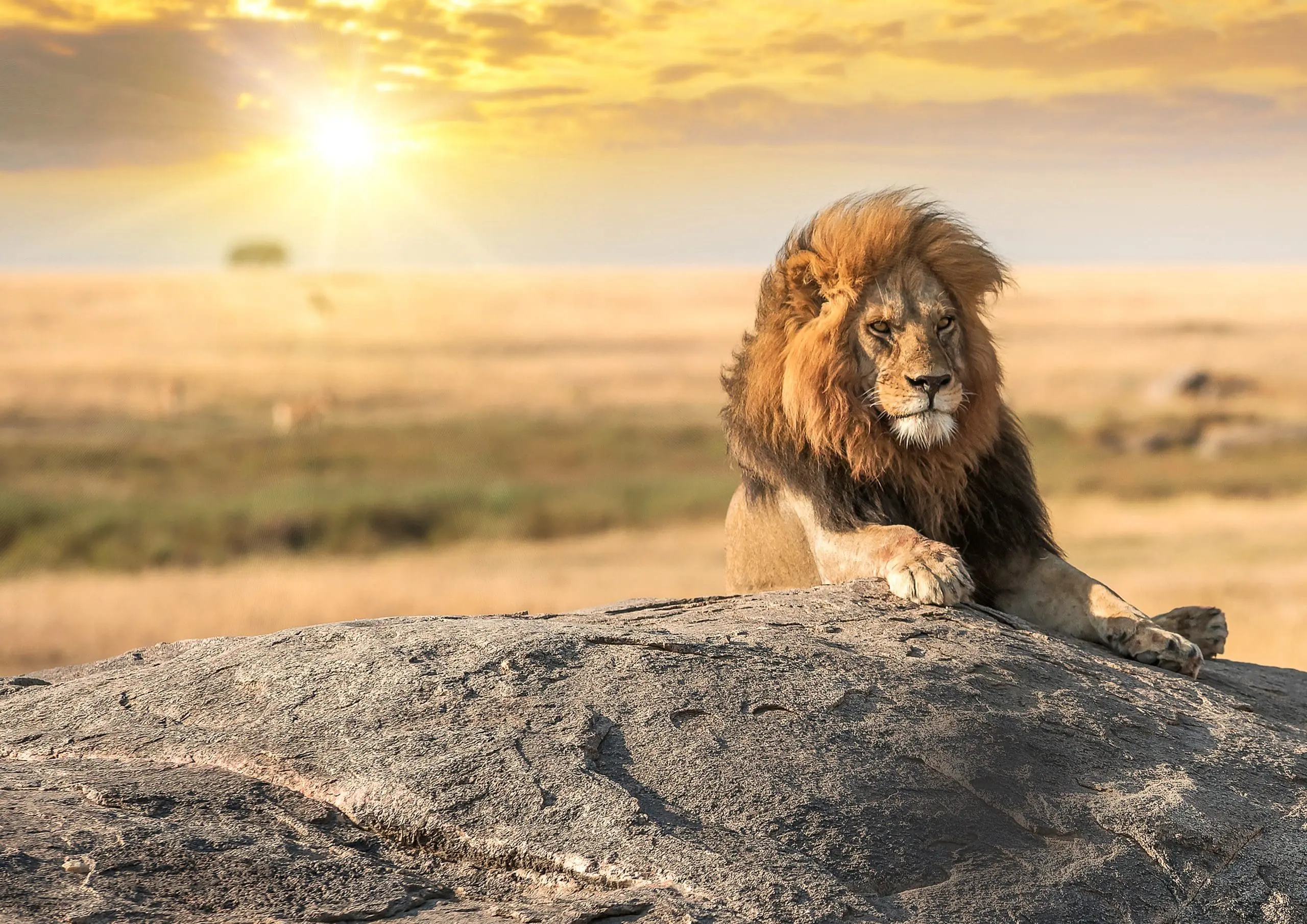
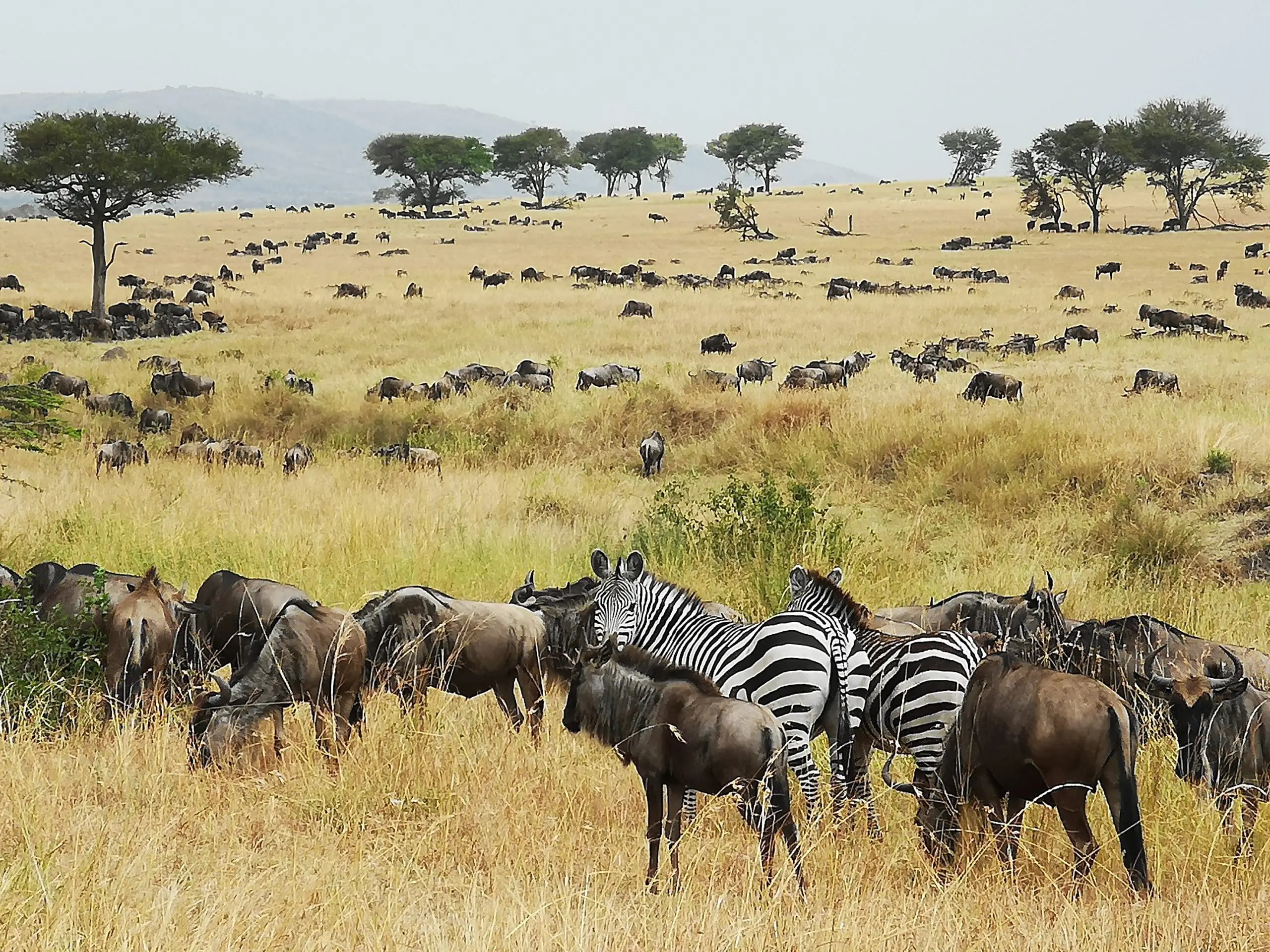
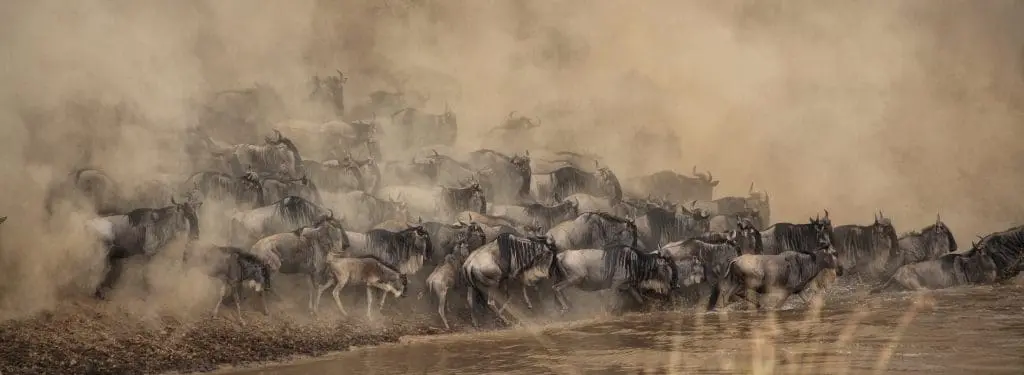
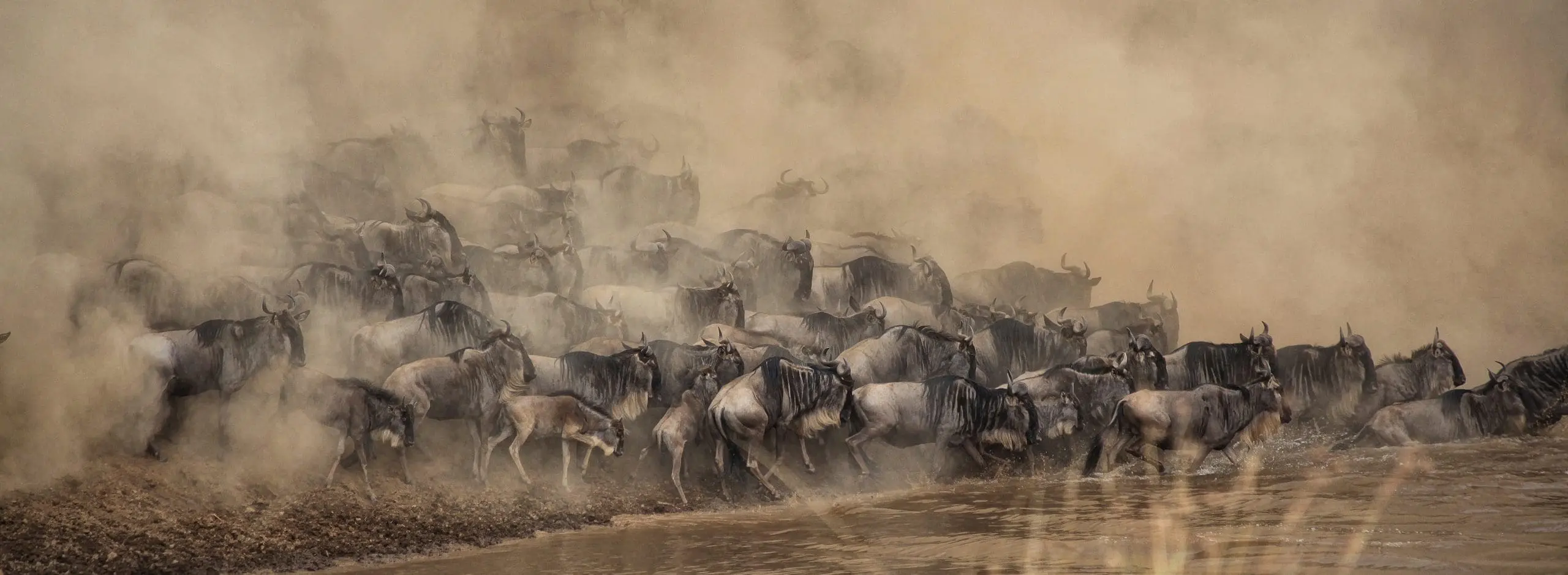
A visit to Serengeti National Park is an immersion in one of the most iconic and breathtaking wildlife areas in the world. The name “Serengeti” means “endless plains,” and the park more than lives up to that name: vast, golden-yellow savannas stretch to the horizon, interspersed with acacia trees and granite rock formations. The Serengeti is world-famous for its incredible wildlife density, including the “Big Five,” and offers one of the best places in Africa to observe big cats. The absolute highlight is the Great Wildebeest Migration, and right now—mid-June—is the perfect time to witness the spectacular river crossings. The immense herds are usually found in the Western Corridor, where they brave the dangerous crossing of the crocodile-infested Grumeti River on their way north. Even outside the migration season, the Serengeti offers exceptional wildlife viewing year-round, and the park evokes a timeless sense of deep connection to the pure, untamed soul of Africa.
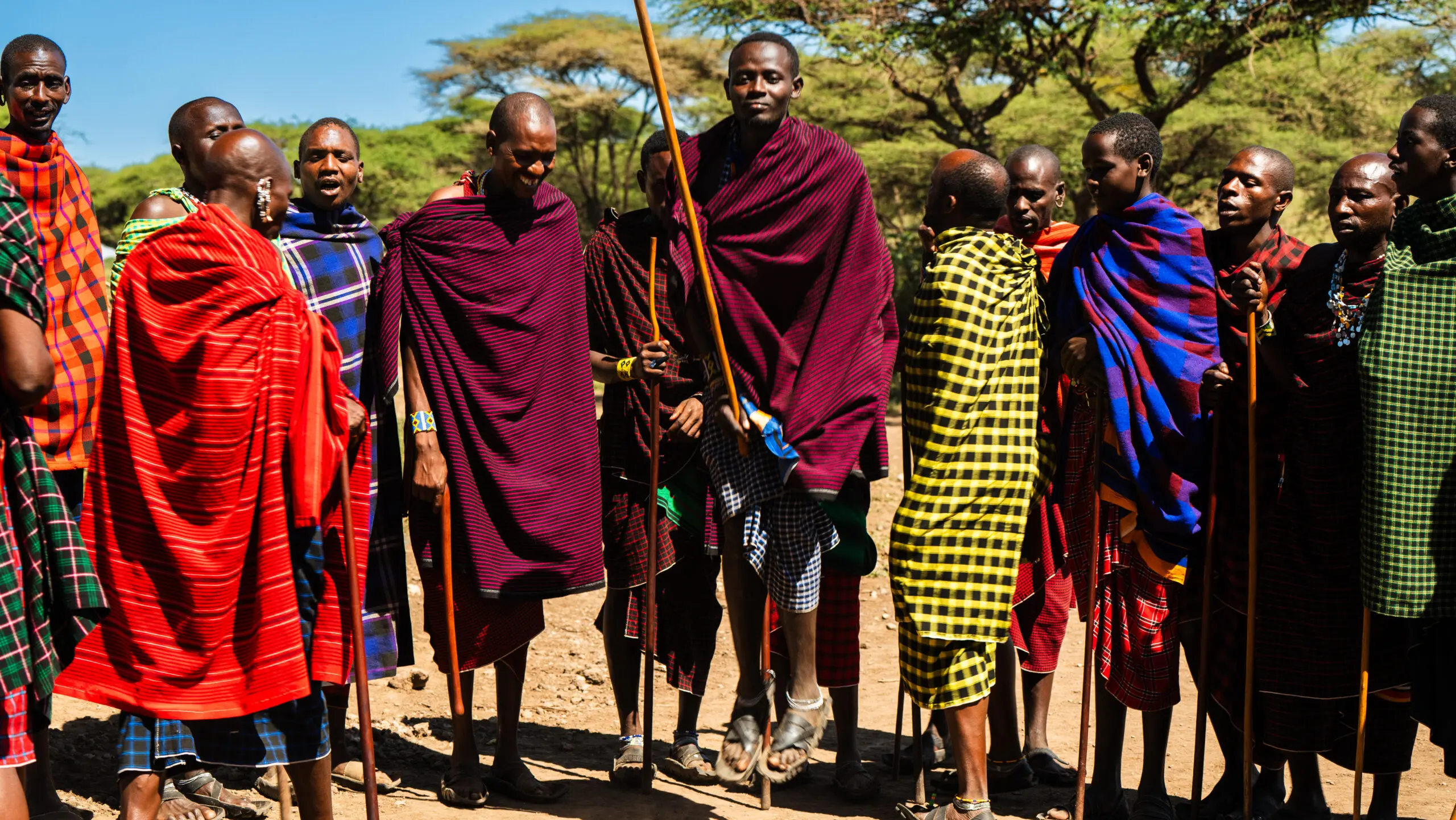
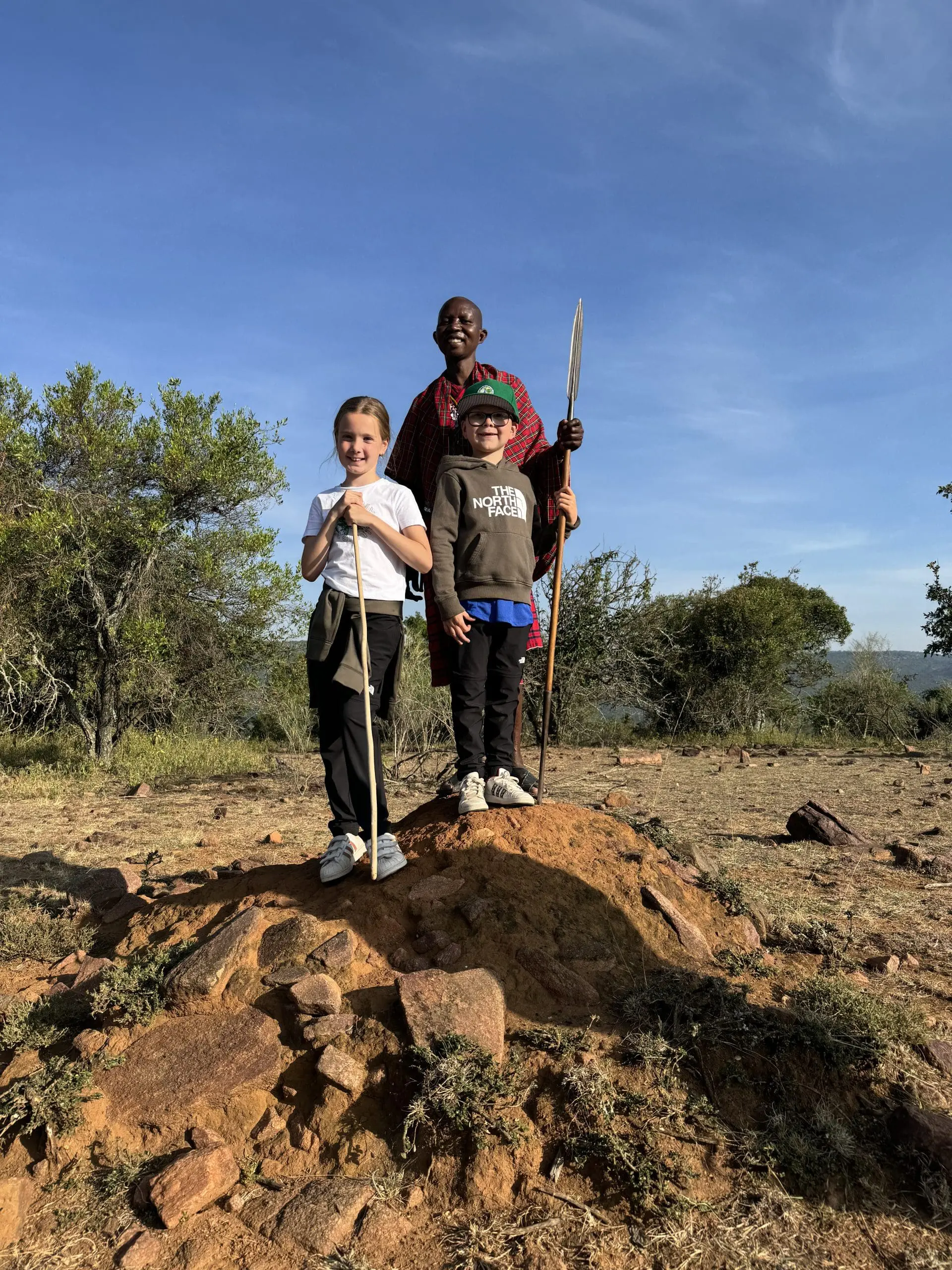
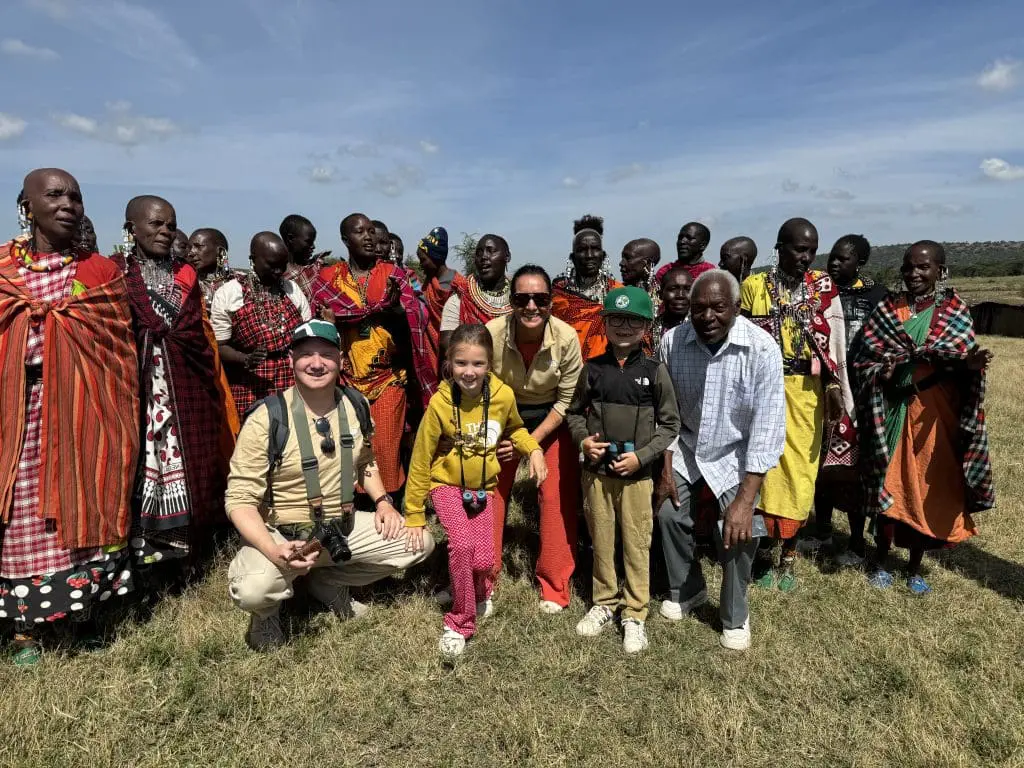
Ololosokwan is a vibrant Maasai village and community area on the northeastern border of Tanzania’s iconic Serengeti National Park, often located within the Loliondo Game Controlled Area. The village is known for its pioneering form of community-based conservation, in which the local Maasai actively contribute to the protection of wildlife while upholding their traditional, pastoral way of life. Visitors can participate in authentic cultural experiences here, such as visiting a traditional boma, learning about Maasai customs and beadwork, and experiencing daily life—all in a unique setting where people and wildlife coexist in this vital buffer zone.
Serengeti – The Soul of Africa
Discover Serengeti National Park—a breathtaking haven in northern Tanzania, where nature thrives in its purest form. Famous for its vast golden plains, impressive seasonal migrations, and exceptional wildlife, the Serengeti offers a first-class view of one of the world’s greatest natural wonders. Here, thundering herds of wildebeest and zebras race across the horizon, while lions, cheetahs, and other stealthy predators move silently through the tall grass. From the glow of a sunrise over the endless savanna to the silhouettes of ancient acacia trees at sunset—every moment in the Serengeti is an enchanting encounter with wildlife. More than just a destination, it is a powerful, unforgettable journey to the soul of Africa.
Pololeti Game Reserve – A Hidden Paradise for Wildlife
A journey of discovery through the Pololeti Game Reserve means experiencing the magnificent Serengeti ecosystem from an exclusive and intimate perspective—far from the hustle and bustle of the main park. As a crucial, unfenced buffer zone on the eastern edge of the Serengeti, this vast wilderness area serves as a transit route for the Great Migration during various stages of its annual cycle and is home to an impressive population of permanent residents year-round. Safaris across the vast plains reveal prides of lions, elusive leopards, cheetahs, elephants, and giraffes. As a private reserve, Pololeti often offers a more flexible safari experience, with opportunities for off-road driving and night safaris—an ideal destination for the discerning safari enthusiast seeking tranquility, exclusivity, and an authentic connection to the wild heart of the Serengeti.
Just outside the northwestern boundary of Serengeti National Park, near the Grumeti River and the Ikoma Gate, lies Ikoma. This area serves as an important buffer zone and is known for unique safari experiences such as night safaris and guided walking safaris—activities that are often not permitted within the park itself. Ikoma provides access to the Serengeti’s rich ecosystem and offers a different perspective on the African bush, featuring a mix of migratory species and permanent residents.
Serengeti National Park – Africa’s Ultimate Safari Destination
A visit to Serengeti National Park is an immersion in one of the most iconic and breathtaking wildlife areas in the world. The name “Serengeti” means “endless plains,” and the park more than lives up to that name: vast, golden-yellow savannas stretch to the horizon, interspersed with acacia trees and granite rock formations. The Serengeti is world-famous for its incredible wildlife density, including the “Big Five,” and offers one of the best places in Africa to observe big cats. The absolute highlight is the Great Wildebeest Migration, and right now—mid-June—is the perfect time to witness the spectacular river crossings. The immense herds are usually found in the Western Corridor, where they brave the dangerous crossing of the crocodile-infested Grumeti River on their way north. Even outside the migration season, the Serengeti offers exceptional wildlife viewing year-round, and the park evokes a timeless sense of deep connection to the pure, untamed soul of Africa.
Serengeti – Hiking Among the Wildlife, Enjoying the Sunset View
Embark on an intimate journey of discovery through the Ikona Wilderness area on a guided walking safari that brings you face-to-face with the unspoiled beauty of the bush. Accompanied by an experienced guide and an armed ranger, you’ll connect deeply with nature as you follow wildlife tracks on foot and learn to spot the subtle details of flora and fauna that often go unnoticed from a vehicle. This immersive experience flows seamlessly into a beloved safari tradition: the sundowner. As the afternoon light softens, you’ll enjoy panoramic views of the plains, refreshing drinks, and tasty snacks at a carefully chosen location. Meanwhile, the African sun paints the sky in warm hues, and the sounds of the day slowly give way to the evening symphony of the wilderness.
The area around Ndutu, located on the border between the southern Serengeti ecosystem and the Ngorongoro Conservation Area, transforms into a scene of intense natural spectacle every rainy season (usually from December to March). It is known worldwide as the calving ground of the Great Migration: hundreds of thousands of wildebeests gather here on the nutrient-rich short-grass plains to give birth to their young. This impressive explosion of new life inevitably attracts a high concentration of predators, making Ndutu an absolute top destination for experiencing breathtaking wildlife moments.
Discover the Serengeti: A Paradise for Wildlife
Discover Serengeti National Park, a legendary wilderness in northern Tanzania, famous for its endless plains, rich biodiversity, and the iconic Great Migration. Covering an area of more than 14,000 square kilometers, the Serengeti offers a front-row seat to one of nature’s greatest spectacles—millions of wildebeests, zebras, and gazelles traversing the landscape in search of fresh grass, followed by Africa’s top predators. In addition to the migration, the park is home to the Big Five and an incredible variety of wildlife, from graceful giraffes and mighty elephants to elusive leopards and colorful bird species. The diverse habitats, including savannas, forests, and riverine woodlands, make every game drive unique. Steeped in natural beauty and Maasai culture, the Serengeti is more than just a safari—it’s an unforgettable journey to the heart of wild Africa.
Nestled in the cool, green highlands of northern Tanzania, the lively farming town of Karatu is a popular base for travelers wishing to explore the wonders of the Ngorongoro Conservation Area, the iconic Ngorongoro Crater, and the Lake Manyara and Tarangire National Parks. Surrounded by fertile fields and flourishing coffee plantations, Karatu offers a refreshing stopover where visitors can experience the authentic rhythm of rural Tanzanian life—right at the crossroads of agriculture and tourism.
Ngorongoro Crater – The Eighth Wonder of the World
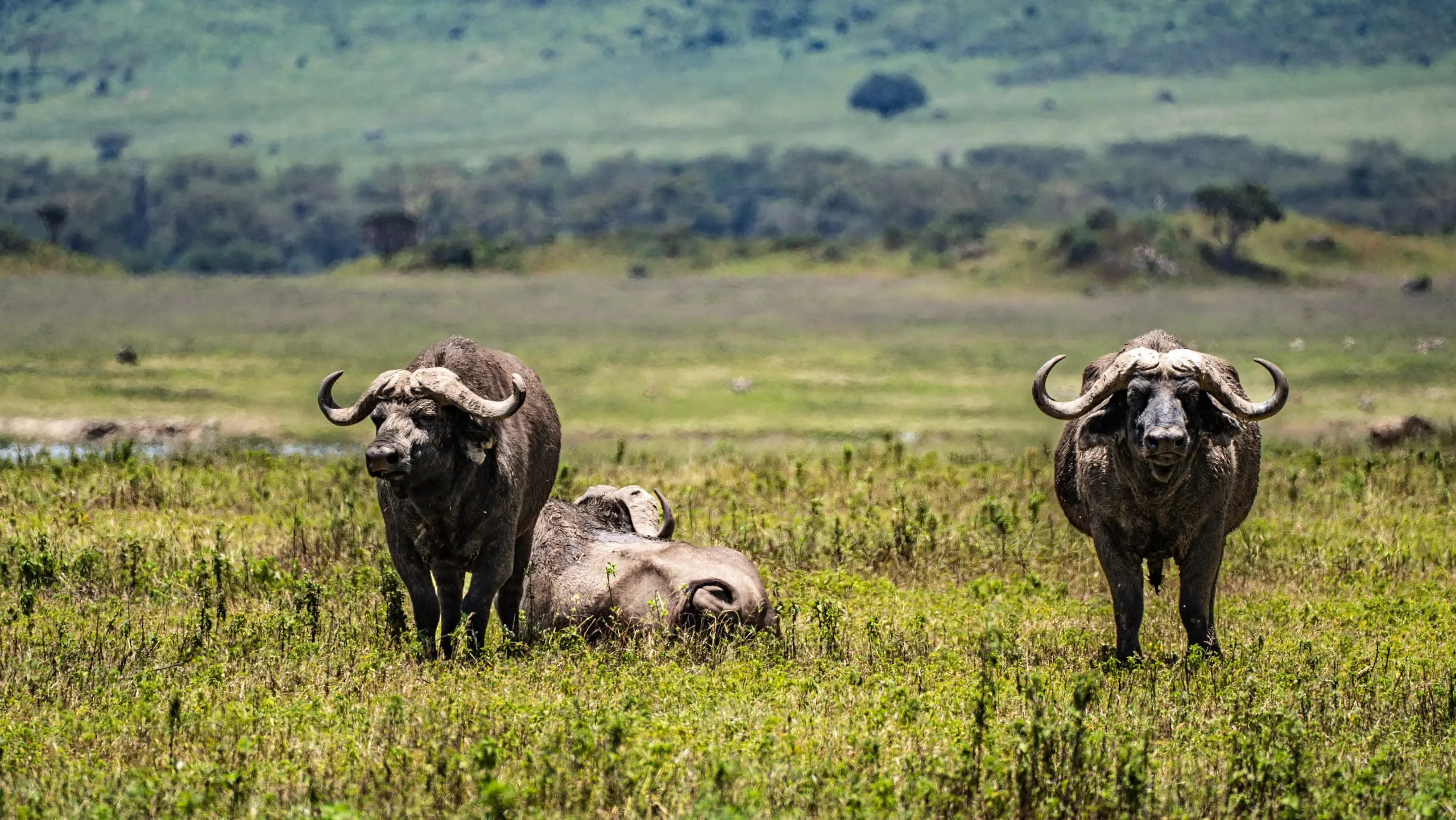
A world unto itself—the Ngorongoro Crater is a vast, vibrant ecosystem nestled within the walls of the world’s largest intact caldera. This UNESCO World Heritage Site acts as a natural enclosure, where steep cliffs rising 600 meters high protect a stunning concentration of life on the fertile plains below. It is a realm of unparalleled biodiversity, where buffalo graze, lion prides reign, and the critically endangered black rhinoceros finds a rare refuge. For visitors, the crater is an almost guaranteed setting for a natural spectacle, offering an exceptional chance to spot all of the “Big Five” during a single unforgettable safari.
At the foot of Mount Meru lies Arusha—Tanzania’s bustling safari capital and the starting point for legendary adventures in East Africa. This lively city serves as the gateway to the northern safari circuit and opens the door to iconic destinations such as the vast Serengeti, the impressive Ngorongoro Crater, and the majestic Kilimanjaro. Arusha offers more than just a departure point: enjoy lively markets, cultural experiences, and all the amenities you need for the ultimate wildlife journey.
Inclusions
- Parking fees (for non-residents)
- All activities (unless marked as optional)
- All accommodation (unless specified as an upgrade)
- A professional driver/guide
- All transport (unless marked as optional)
- All taxes/VAT
- Meals (as specified in the day-by-day itinerary)
Exclusions
- International flights (To/from home)
- Tips (Recommended tip: US$10.00 per person per day)
- Personal expenses (souvenirs, travel insurance, visa fees, etc.)
- Tax increases and/or parking charges imposed by the government
- Village surcharges and tourism development fees (US$2.50 per person per night, payable at the lodge)
- Compulsory travel insurance (US$44 per adult and US$22 per child)