









Zanzibar weather by month: climate and best time to visit
Zanzibar weather is warm throughout the year, with tropical temperatures, warm Indian Ocean water and two distinct rainy periods. The main dry season runs from roughly June to October, while January and February are also relatively dry. The long rains usually fall from March to May, followed by shorter rains from October to December.
The best time to visit Zanzibar therefore depends on what you want from your stay. June to October is a popular choice for dry beach weather, while January and February are warmer and often sunny. The wetter months bring greener landscapes and fewer visitors, but rain can affect beach days and boat activities.
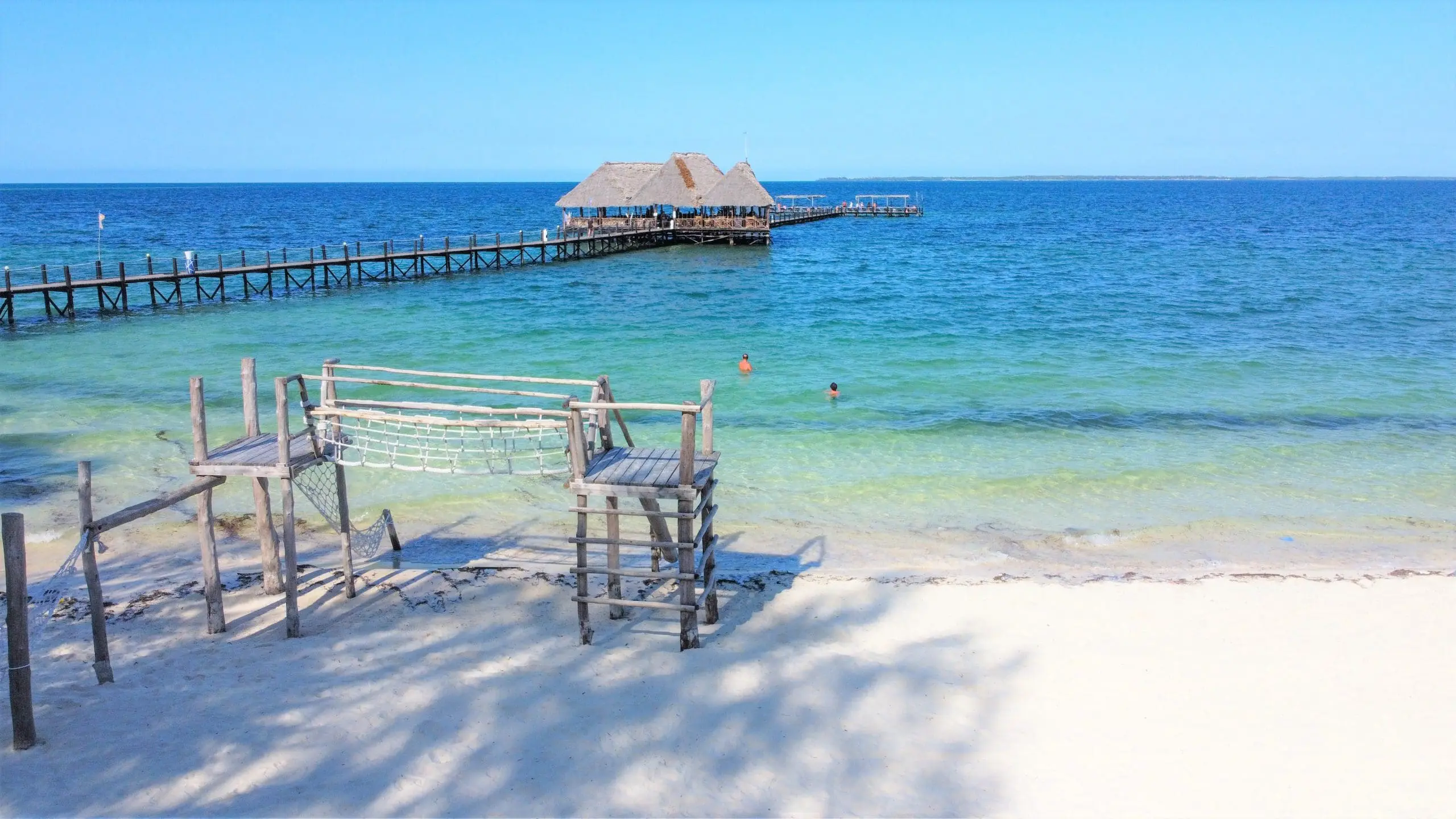
What is the weather like in Zanzibar?
Zanzibar has a tropical climate, so temperatures remain warm throughout the year. Daytime temperatures are generally around 28 to 32°C, with the hottest conditions usually occurring at the beginning of the year. Even during the cooler months, daytime temperatures remain suitable for beach days and outdoor activities.
Rainfall changes much more throughout the year than temperature. Zanzibar has a bimodal rainfall pattern, which means the islands experience two rainy periods. The Tanzania Meteorological Authority identifies March to May as the long rains, known as Masika, and October to December as the short rains, known as Vuli.
January and February form a relatively dry period between the two rainy seasons. June, July, August and September are the driest months across Tanzania, including Zanzibar.
Humidity is part of Zanzibar’s tropical climate throughout the year, although it usually feels more noticeable during the hotter and wetter months. Coastal breezes can make conditions more comfortable, especially along the beaches.
What is Zanzibar weather like by month?
Zanzibar weather by month changes mainly in terms of rainfall, humidity and wind rather than large temperature differences. The table below gives a practical overview for planning a beach holiday or combining Zanzibar with a Tanzania safari.
Month |
Typical daytime temperature |
Weather |
What to expect |
| January | Around 32°C | Hot and relatively dry | Sunny beach weather, warm sea and good conditions for swimming and ocean activities |
| February | Around 32°C | Hot and relatively dry | One of the warmest months with plenty of opportunity for beach days |
| March | Around 32°C | Rainfall increasing | Warm conditions with an increasing chance of showers as the long rains approach |
| April | Around 30°C | Long rains | One of the wettest months, with high humidity and frequent rainfall |
| May | Around 29°C | Long rains continuing | Green landscapes, regular showers and quieter tourism conditions |
| June | Around 29°C | Drier and cooler | Start of the main dry period with comfortable temperatures and improving beach weather |
| July | Around 28°C | Dry and mild | Reliable dry season weather and cooler evenings |
| August | Around 29°C | Dry | Sunny conditions, low rainfall and pleasant temperatures |
| September | Around 30°C | Dry and warming | Good beach weather with temperatures gradually rising |
| October | Around 30°C | Warm with increasing chance of rain | Transition between the dry season and the short rains |
| November | Around 30°C | Short rains | Warm weather with showers and greener surroundings |
| December | Around 31°C | Warm with possible short rains | Tropical temperatures with a mixture of sunshine and showers |
These temperatures and weather patterns are averages rather than forecasts. Rainfall can begin earlier or later in a particular year, and conditions may differ between different parts of Zanzibar.
Zanzibar weather from January to March
January and February are among the hottest months in Zanzibar. Daytime temperatures are often around 32°C and the sea is particularly warm. These months fall between Zanzibar’s two main rainy periods, so conditions are generally relatively dry.
This makes January and February attractive months for travelers who enjoy hot beach weather. Swimming, boat trips and other ocean activities are usually easy to combine with time exploring Stone Town or the rest of the island.
March remains hot, but the chance of rain gradually increases as Zanzibar moves towards the long rainy season. Early March can still have long sunny periods, while rainfall tends to become more frequent later in the month.
Zanzibar weather in April and May
April and May form the heart of Zanzibar’s long rainy season. April is generally one of the wettest months of the year, with frequent showers, high humidity and more cloud cover.
This does not mean it rains every minute of every day, but rainfall is more frequent and persistent than during other parts of the year. Outdoor plans, boat excursions and uninterrupted beach days are therefore less predictable.
The island becomes very green during this period and visitor numbers are generally lower. Travelers who do not mind flexible plans may enjoy the quieter atmosphere, but those whose main priority is sunshine and long beach days usually prefer one of the drier periods.
By the end of May, conditions gradually begin to change as Zanzibar moves towards the main dry season.
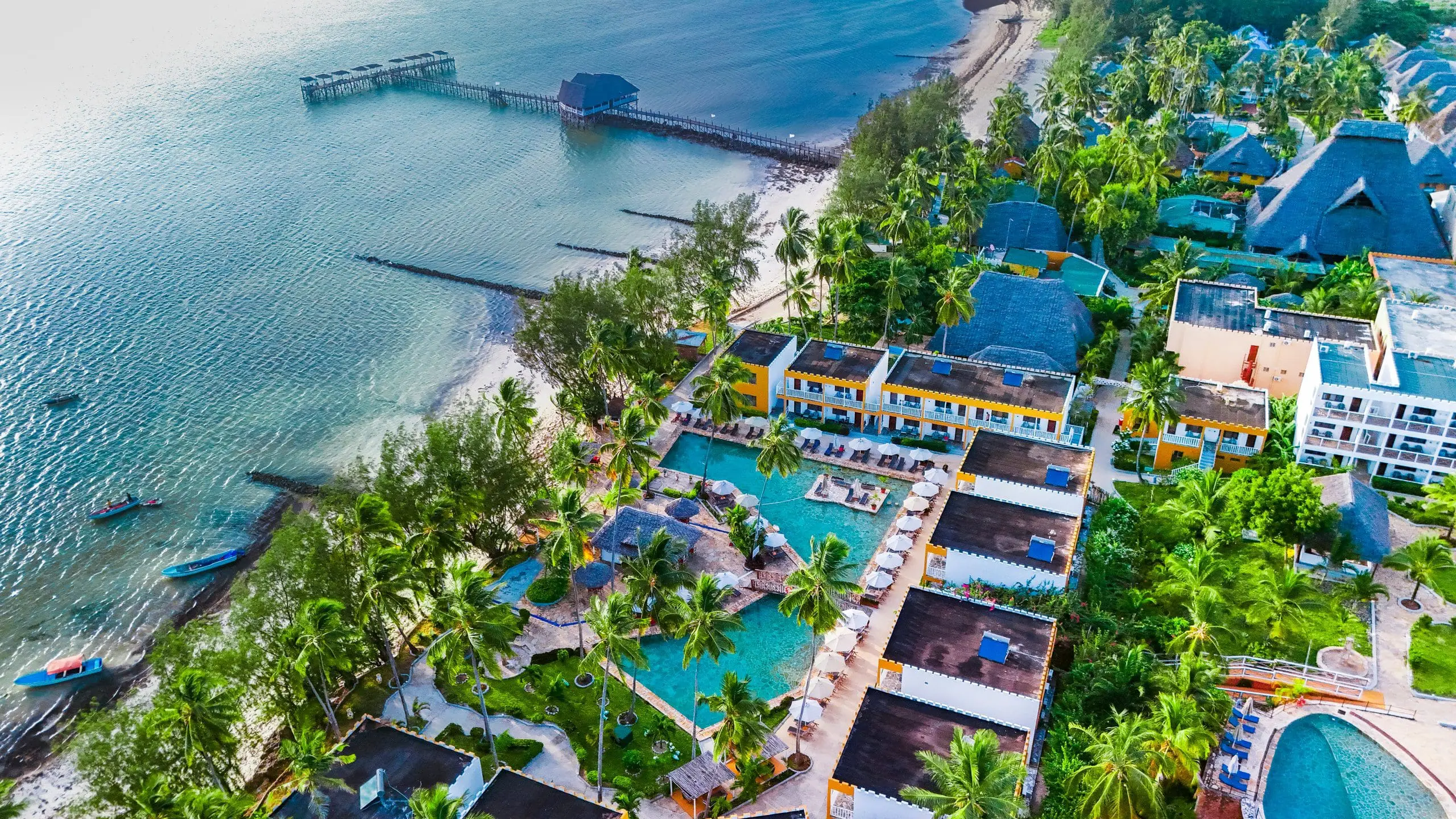
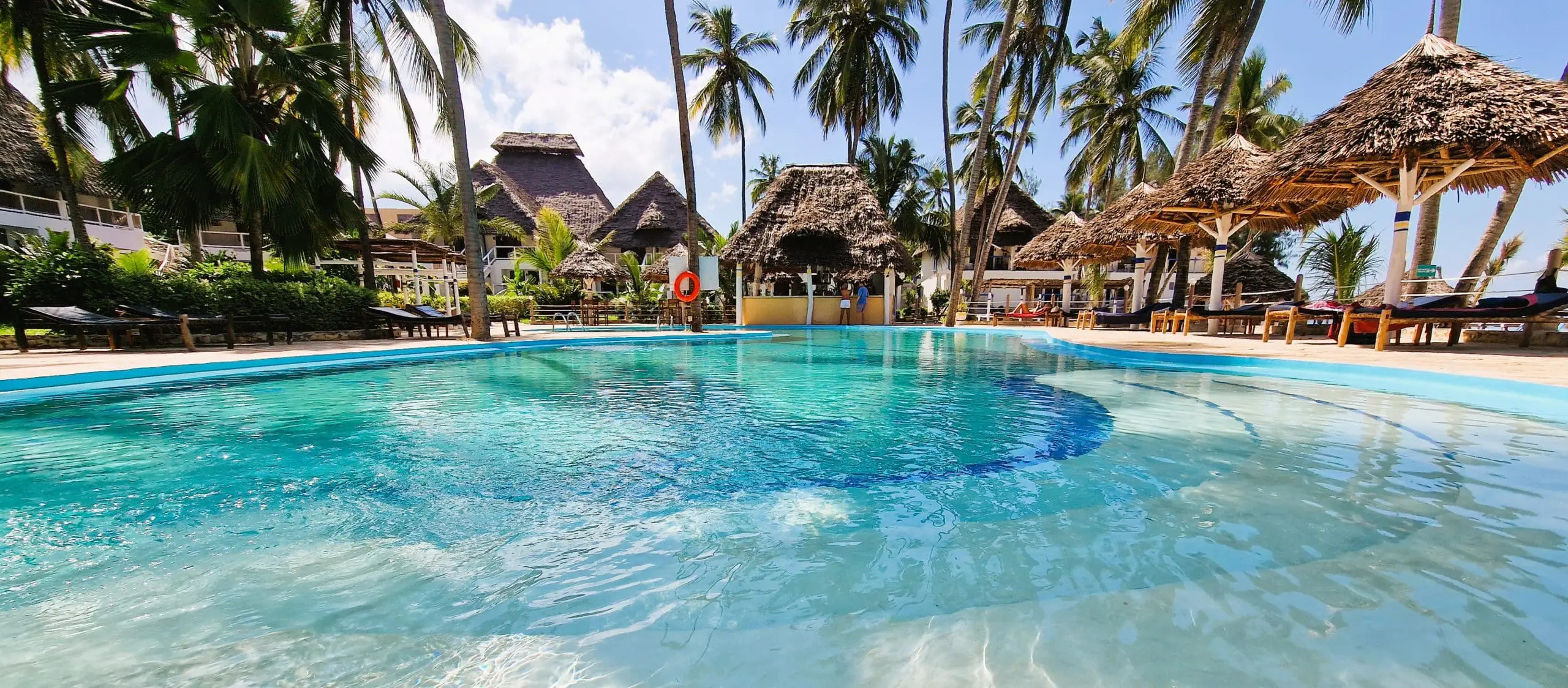
Zanzibar weather from June to September
June to September is Zanzibar’s main dry period and one of the most popular times to visit. Rainfall is relatively low, humidity becomes more comfortable and daytime temperatures usually range from around 28 to 30°C.
July and August are among the coolest months, although Zanzibar remains pleasantly warm. Evenings can feel fresher than earlier in the year, especially when there is a sea breeze.
The combination of lower rainfall and comfortable temperatures makes these months suitable for beach days, exploring Stone Town and joining ocean activities. You can find more ideas in our overview of activities in Zanzibar.
September remains relatively dry but begins to feel warmer. For travelers who prefer warm beach weather without the highest temperatures of January and February, it can be an appealing time to visit.
Zanzibar weather from October to December
October marks the transition from the main dry season towards the shorter rains. Temperatures rise and the chance of showers gradually increases.
The timing of the short rains varies from year to year. Some Octobers remain relatively dry for long periods, while in other years the first showers arrive earlier.
November is more strongly associated with the short rains. These showers help refresh the landscape after the long dry period, but they are usually different from the more persistent rainfall experienced during April and May.
December remains warm, with daytime temperatures often around 31°C. There can be a mixture of sunshine and showers, and conditions usually become increasingly suitable for beach holidays as Zanzibar moves towards the relatively dry January and February period.
When is the dry season in Zanzibar?
The main dry season in Zanzibar runs from approximately June to October. June, July, August and September are particularly reliable months for lower rainfall.
This period is popular because temperatures remain warm without reaching the hottest levels of the year. Conditions are suitable for beach days, sightseeing, boat trips and a wide range of activities on and around the water.
Zanzibar also has a shorter relatively dry period during January and February. These months are hotter than the June to September period and the sea is particularly warm.
For travelers looking for the most reliable combination of sunshine and moderate temperatures, June through September is generally the easiest period to plan around. Travelers who prefer hotter tropical conditions may favor January and February.
When is the rainy season in Zanzibar?
Zanzibar has two rainy seasons. The long rains generally occur from March to May, while the shorter rains usually fall between October and December.
These two periods should not be treated as identical. The long rains are generally wetter and more persistent. The short rains can bring heavy showers, but there may still be long sunny periods between them.Rainfall al
so varies from year to year. The beginning and end of each rainy season can shift, so seasonal patterns are more useful for travel planning than exact dates.
What are the long rains in Zanzibar?
The long rains in Zanzibar are known as the Masika rains and generally occur from March through May. April is usually one of the wettest months.
During this period, rainfall can be frequent and humidity is high. The island becomes greener, but beach and boat plans require more flexibility.
Some travelers deliberately choose this quieter period, while others prefer to avoid April and May if uninterrupted beach time is the main reason for visiting Zanzibar.
What are the short rains in Zanzibar?
The short rains are known as the Vuli rains and generally occur from October through December. November is commonly one of the wetter months within this period.
The short rains are usually less persistent than the long rains. A tropical shower may be followed by sunshine, so a rainy season forecast does not automatically mean an entire day indoors.
These showers also refresh the landscape after several dry months and bring back the deeper green colors that disappear during the driest part of the year.
How hot is Zanzibar throughout the year?
Zanzibar remains warm throughout the year. Typical daytime highs range from approximately 28°C during the cooler dry season to around 32°C during the hotter months at the beginning of the year.
January, February and March are generally among the hottest months. July and August tend to be cooler, particularly in the evenings and early mornings.
The difference may look small on paper, but humidity can change how the temperature feels. A 30°C day during a humid period can feel considerably warmer than a similar temperature during the drier season.
How warm is the sea in Zanzibar?
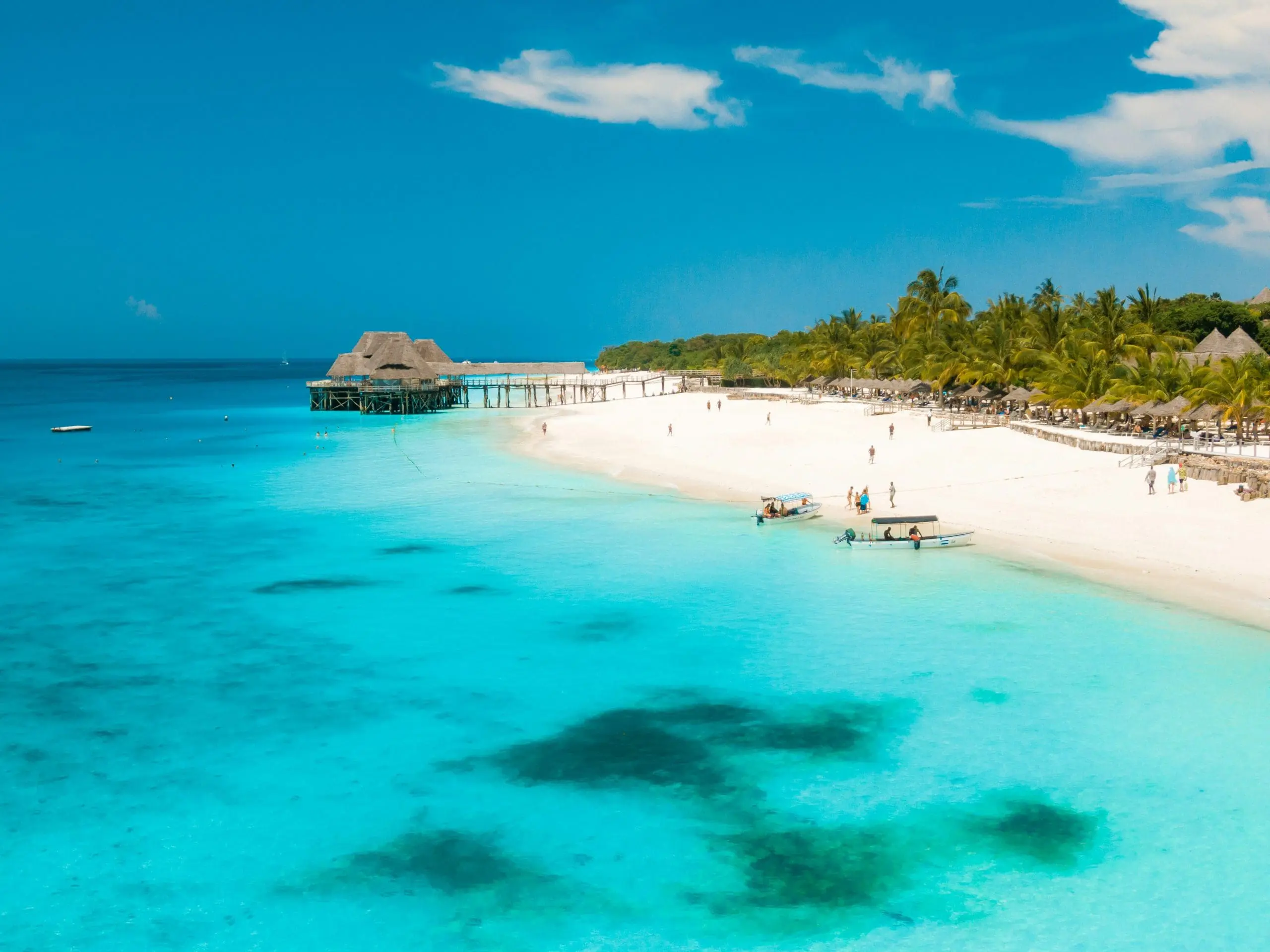
The Indian Ocean around Zanzibar remains warm enough for swimming throughout the year. Typical sea temperatures range from approximately 25°C during the cooler part of the year to around 29°C during the warmest months.
The sea tends to be warmest from around December through April. Even during July and August, when water temperatures are somewhat lower, swimming conditions remain warm by most travelers’ standards.
Weather is only one factor affecting ocean activities. Wind, currents, visibility and tides can also influence local conditions. This becomes particularly relevant for snorkeling, diving and boat trips.
Do tides affect a beach holiday in Zanzibar?
Yes. Tides can have a noticeable effect on the beach experience in Zanzibar, particularly along the east coast. This is separate from the weather, but it is important when deciding where to stay.
At low tide, the sea can retreat a considerable distance from the beach in areas along the east coast. This creates wide stretches of exposed sand and shallow water. At high tide, the water returns much closer to the shoreline.
The northern coast generally experiences a different beach experience, with swimming often less dependent on the tide. The best location therefore depends on whether your priority is swimming directly from the beach, long beach walks, water sports or a quieter coastal setting.
What is the best time to visit Zanzibar?
The best time to visit Zanzibar depends on the weather conditions and activities you prefer. June to October is the most popular period for travelers looking for dry weather, comfortable temperatures and plenty of opportunities to spend time outside.
January and February are another strong option. These months are generally relatively dry but noticeably hotter, making them well suited to travelers looking for classic tropical beach weather.
March to May is wetter, especially during April and May. This period suits travelers who are comfortable with more unpredictable weather and value a quieter island experience over guaranteed sunshine.
October to December brings the short rains. Conditions can change from one day to another, but these months can still offer plenty of warm weather and sunny periods between showers.
There is therefore no single best month for every traveler. Your ideal period depends on whether you prioritize dry weather, heat, fewer visitors, ocean activities or how Zanzibar fits into the rest of your Tanzania journey.
What is the best time to combine Tanzania and Zanzibar?
Zanzibar is often combined with a safari on the Tanzanian mainland, so it makes sense to consider both destinations when choosing your travel dates.
June through October works well for travelers who want to combine generally dry conditions in Zanzibar with the main dry safari season in northern Tanzania. January and February can also work well, with warm beach conditions in Zanzibar and important wildlife activity in the southern Serengeti.
Travelers do not have to restrict themselves to these periods. The greener safari months can be quieter on the mainland, and Zanzibar remains warm throughout the year. The right combination depends on the regions you want to visit and how much flexibility you have with changing weather.
Our Tanzania and Zanzibar holidays combine safari and island time in one journey, with the itinerary planned around your travel dates and interests.
What can you do in Zanzibar in different weather?
Beach time is only one part of a Zanzibar holiday. Having a mix of beach, cultural and nature activities makes it easier to enjoy the island even when the weather changes.
Dry and sunny days are well suited to swimming, snorkeling, boat trips and relaxing on the beach. Shemeji Safari offers several Zanzibar activities, including Mnemba snorkeling and the Safari Blue Tour.
A cloudy or occasionally rainy day can also be a good opportunity to explore Stone Town, visit a spice farm or spend more time discovering Zanzibar’s history and culture.
During periods of heavier rainfall, ocean conditions and excursions can change at short notice. Local operators make decisions based on actual conditions, so flexibility remains important.

What should you pack for Zanzibar’s weather?
Light clothing works well for Zanzibar throughout most of the year, but a few additional items make changing tropical weather easier to handle.
- Light and breathable clothing: useful for Zanzibar’s warm and humid climate.
- Sun protection: bring sunscreen, sunglasses and a hat for beach days and excursions.
- Light rain protection: useful during the long and short rainy seasons.
- Comfortable footwear: sandals work well at the beach, while comfortable shoes are useful for Stone Town and excursions.
- A light layer for evenings: useful during the cooler months or on breezy boat trips.
- Swimwear: the Indian Ocean remains warm enough for swimming throughout the year.
When visiting villages, Stone Town or cultural sites, it is also respectful to wear clothing that covers shoulders and knees rather than beachwear.
Plan your Zanzibar holiday around the weather
Zanzibar can be visited throughout the year, but each season has a different character. June to September brings the most reliable dry conditions, January and February are hot and relatively dry, and the rainy periods bring greener scenery and a quieter atmosphere.
The best period also depends on what you want to do once you arrive. Beach days, snorkelling, diving, cultural excursions and combining Zanzibar with a safari can all influence the dates that suit your trip best.
Shemeji Safari is a Dutch Tanzanian family owned tour operator based in Arusha. We create private journeys that combine Tanzania and Zanzibar around your travel dates, interests and preferred pace.
Explore our Zanzibar holidays or combine the island with a safari through our Tanzania and Zanzibar holidays.
Frequently asked questions about Zanzibar weather
January and February are among the hottest months in Zanzibar, with typical daytime highs of around 32°C. March can also remain very warm, although rainfall generally begins to increase as the long rainy season approaches.
July and August are generally the coolest months in Zanzibar. Daytime temperatures still remain warm at around 28 to 29°C, while nights and early mornings can feel fresher than during the hotter months.
April is generally the rainiest month in Zanzibar. It falls in the middle of the long rainy season, which usually runs from March to May. Rainfall is more frequent and persistent during this period than during the short rains later in the year.
Not necessarily. Tropical rain can fall in heavy showers followed by dry periods. During the long rains in April and May, rainfall can be more persistent, while the short rains from October to December are generally more intermittent.
Yes. Zanzibar has a tropical climate and remains warm throughout the year. Typical daytime temperatures range from around 28°C during the cooler months to approximately 32°C during the hottest period.
Yes. Sea temperatures around Zanzibar generally remain between approximately 25 and 29°C, so the Indian Ocean is warm enough for swimming throughout the year. Local tides and sea conditions can still affect where and when swimming is easiest.
July, August and September are among the most reliable months for dry Zanzibar weather and comfortable temperatures. January and February are also attractive for travelers who prefer hotter conditions. The best month depends on whether your priority is dry weather, heat, quieter travel or combining Zanzibar with a safari.
Zanzibar has two rainy seasons. The long rains generally run from March to May, while the shorter rains usually occur from October to December. January and February are relatively dry, and June through September form the main dry period.