



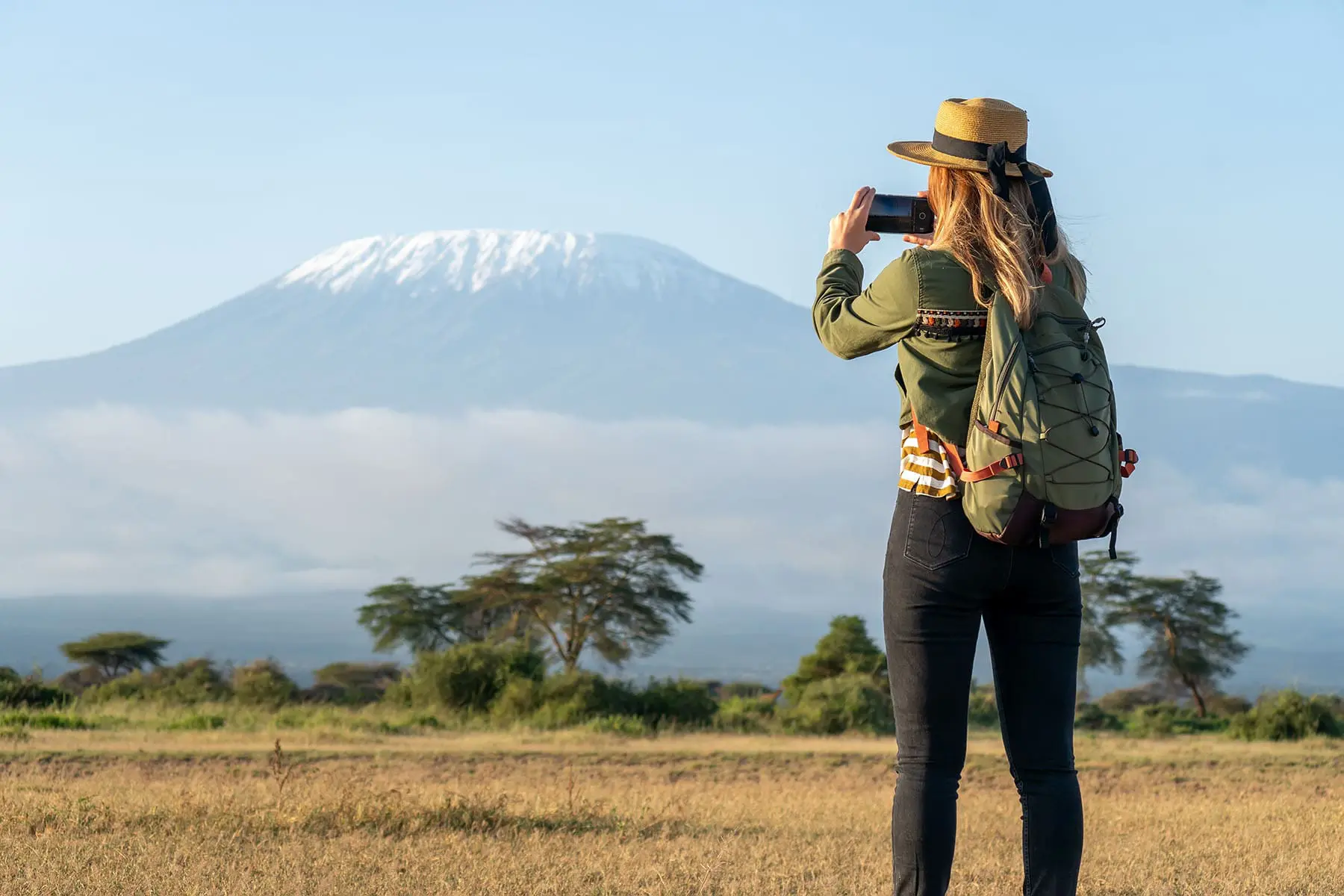
Climbing Kilimanjaro
Everything you need to know about routes, costs, preparation and reaching the Roof of Africa.
Standing on the summit of Mount Kilimanjaro as the sun rises above the clouds is a moment few travelers ever forget. Rising to 5,895 meters above sea level, Kilimanjaro is the highest mountain in Africa and one of the world’s most iconic trekking destinations. Every year, adventurers from around the globe travel to Tanzania to challenge themselves on this extraordinary journey through rainforests, alpine deserts and glacier-covered peaks.
What makes climbing Kilimanjaro so unique is that you do not need technical mountaineering experience to reach the summit. With the right preparation, sufficient acclimatization and experienced mountain guides, many first-time trekkers successfully stand on Uhuru Peak and experience one of Africa’s greatest achievements.
Whether you are just starting your research or actively planning your climb, this guide covers everything you need to know about Kilimanjaro Tanzania, including route options, costs, preparation, difficulty levels and the best time to visit.
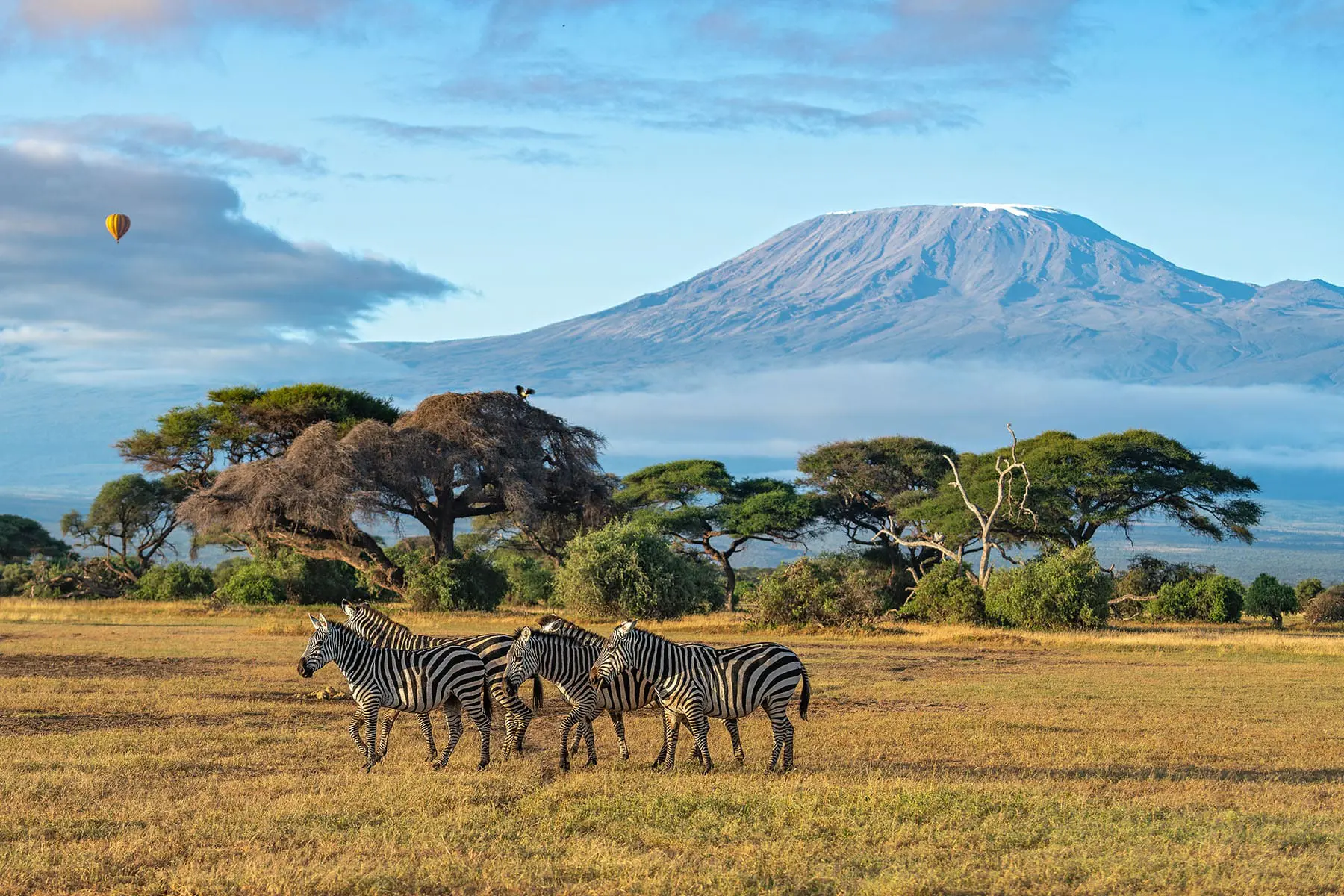
Kilimanjaro packages
From
$1.629
$1.629
6 Day Rongai Route Kilimanjaro
The 6-day Rongai route is a quieter trail that starts on the remote north side of Kilimanjaro, close to the border with Kenya.
From
$2.220
$2.220
6 Day Kilimanjaro Marungu Route
The Marangu Route takes you through six distinctive ecological zones, each with its own unique landscape and challenges.
From
$1.889
$1.889
7 Day Rongai Route Kilimanjaro
The 7-day Rongai route is a gentle and scenic trail approaching Kilimanjaro from the north side, close to the Kenya border.
From
$1.855
$1.855
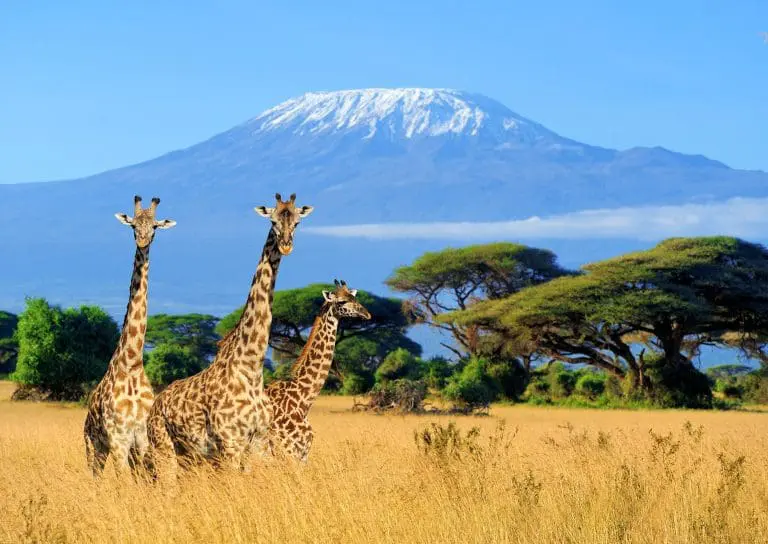
7 Day Kilimanjaro Machame Route
The 7-day Machame route, also known as the "Whiskey Route", is one of the most popular and scenic trails on Kilimanjaro.
From
$2.149
$2.149
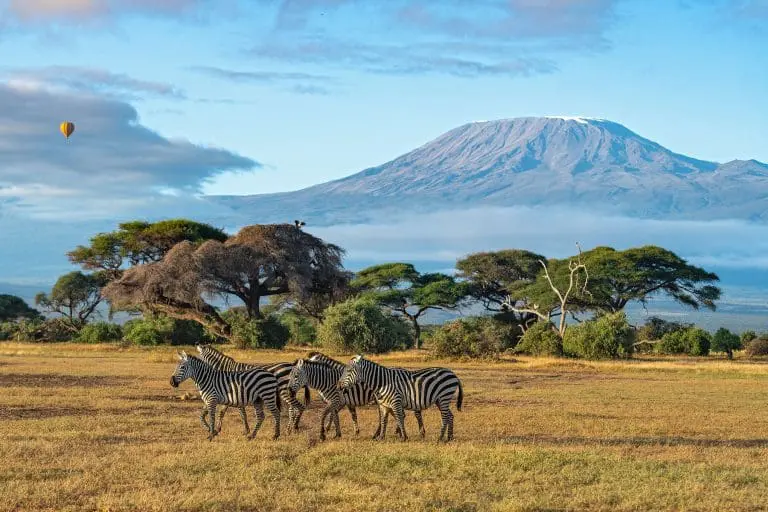
8 Day Kilimanjaro Lemosho Route
The 8-day Lemosho route is a scenic, remote and well-balanced trail that starts on the western slopes of Mount Kilimanjaro and traverses the beautiful Shira Plateau.
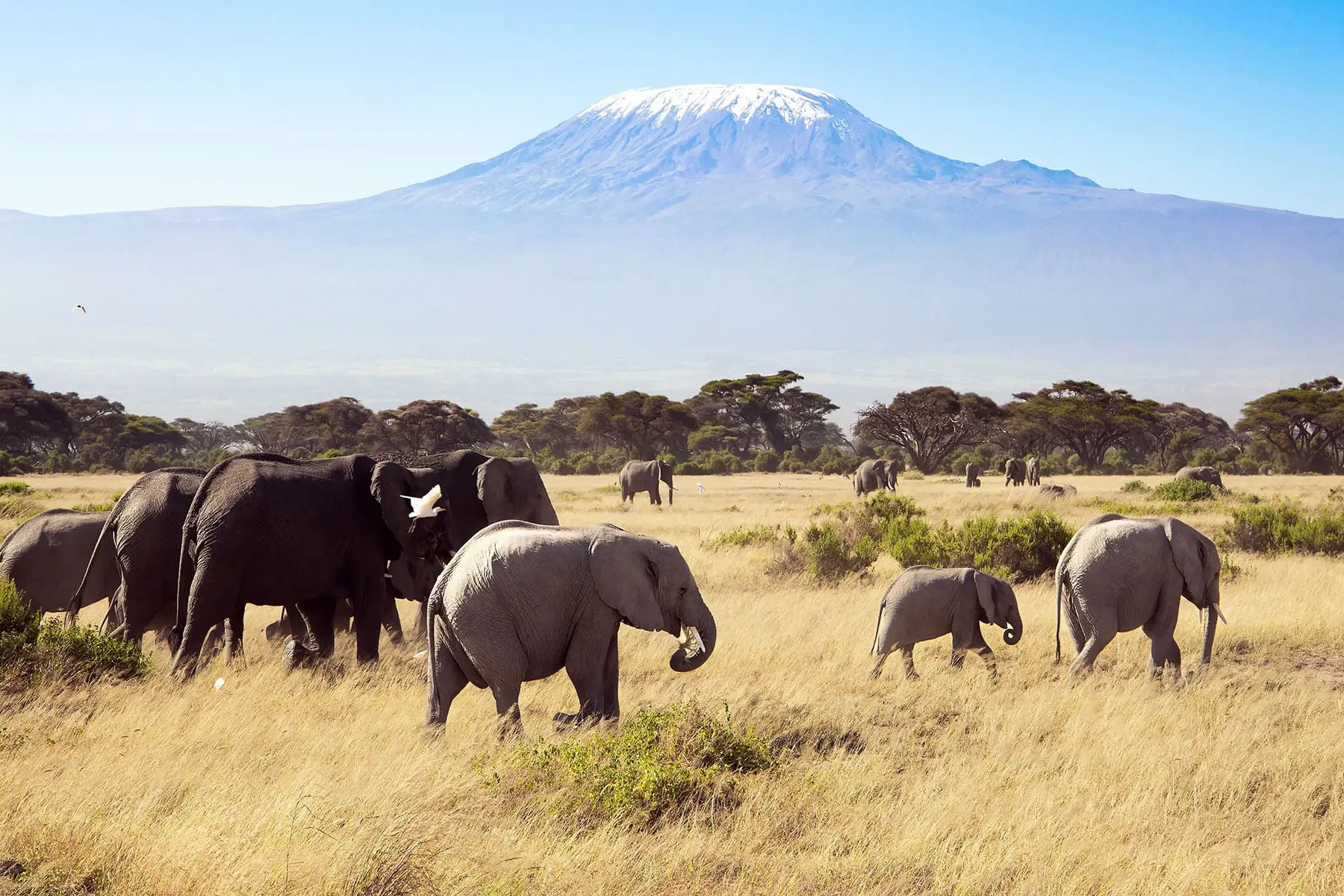
Quick Facts About Kilimanjaro
If you’re researching Mount Kilimanjaro, these are the most important facts to know before planning your climb.
Kilimanjaro height |
5,895 meters (19,341 feet) |
Location |
Northern Tanzania |
Highest Point |
Uhuru Peak |
UNESCO World Heritage Site |
Yes |
Technical climbing required |
No |
Typical climb duration |
5 to 9 days |
Best known for |
Being Africa’s highest mountain |
What Is Mount Kilimanjaro?
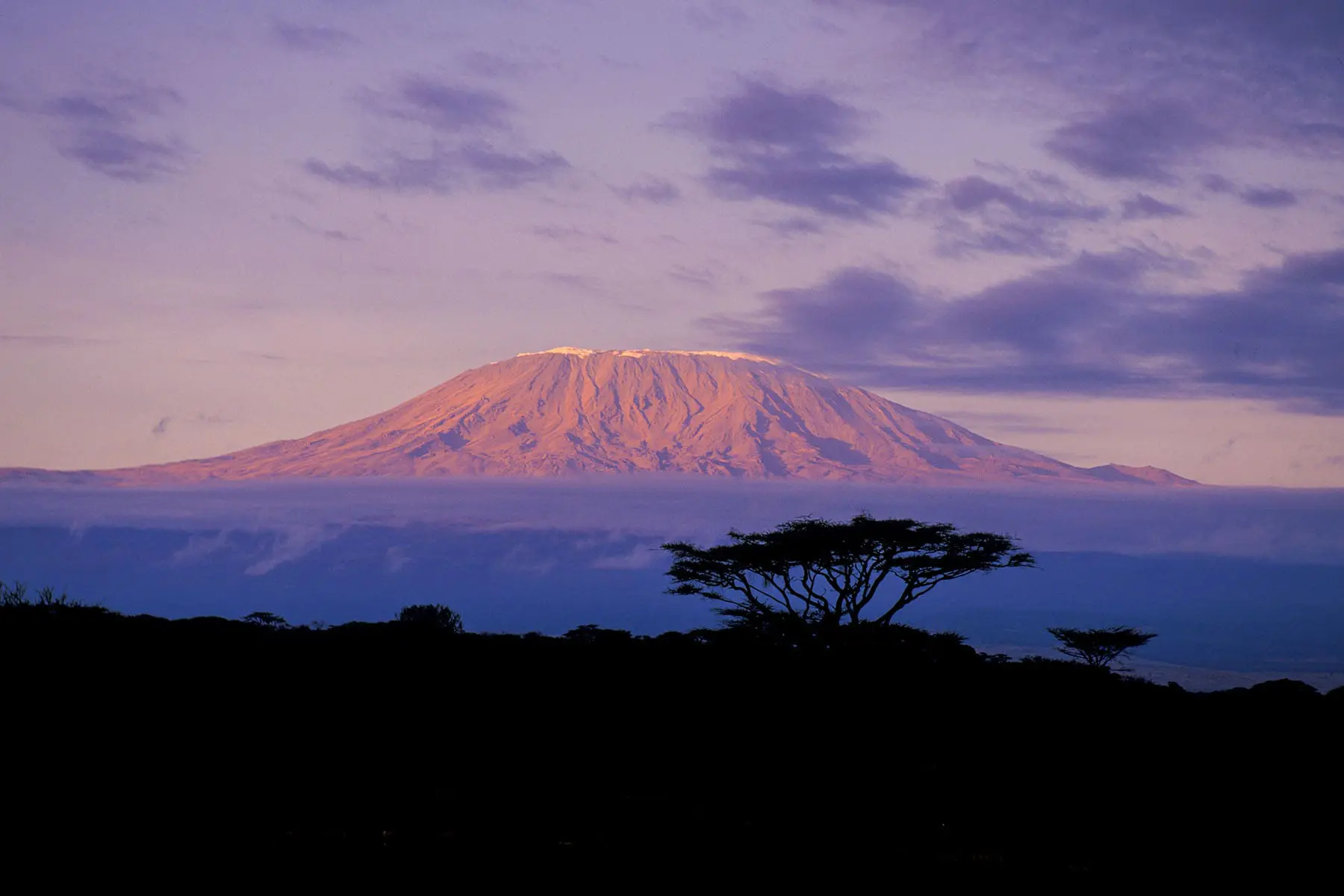
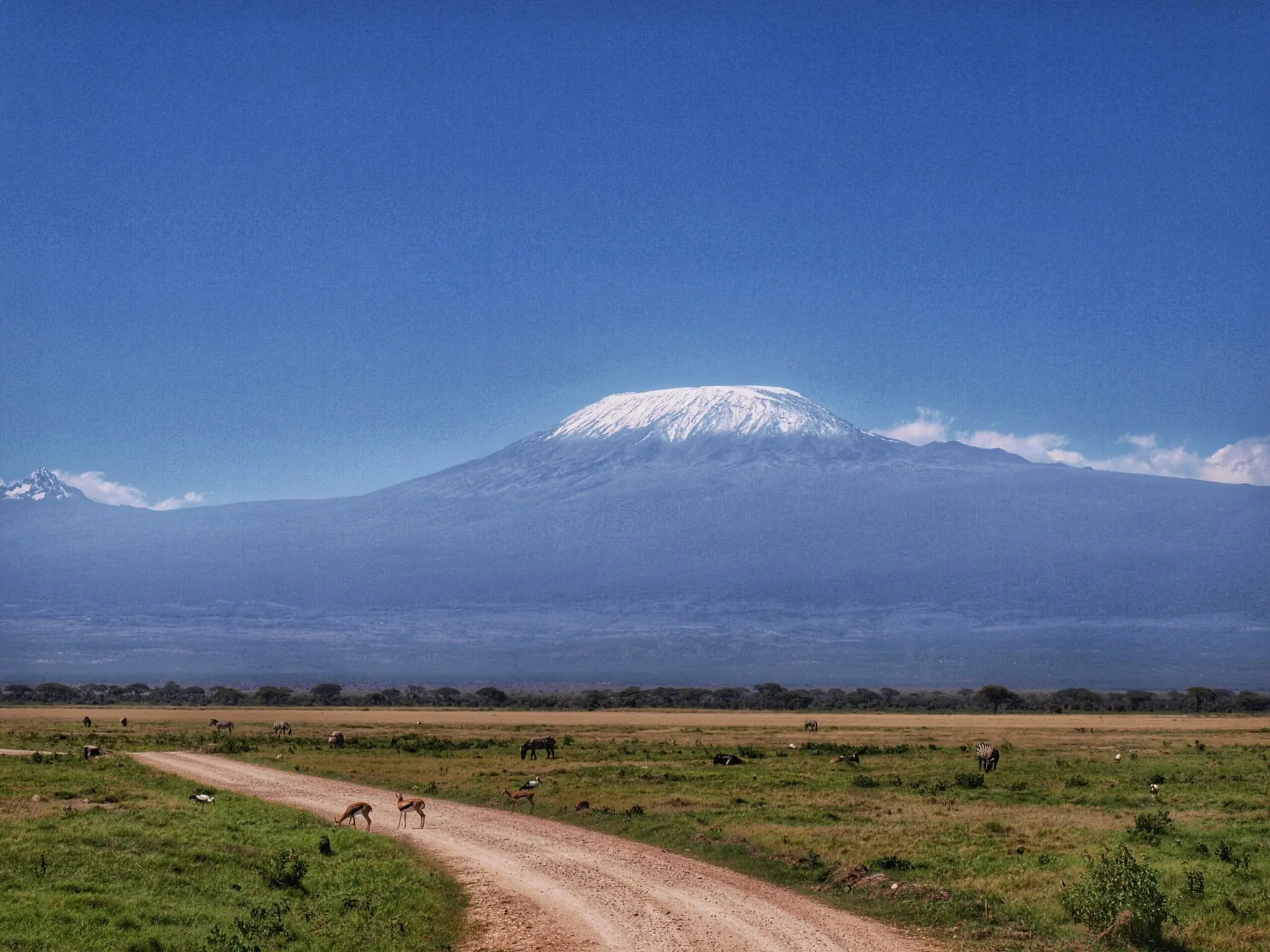
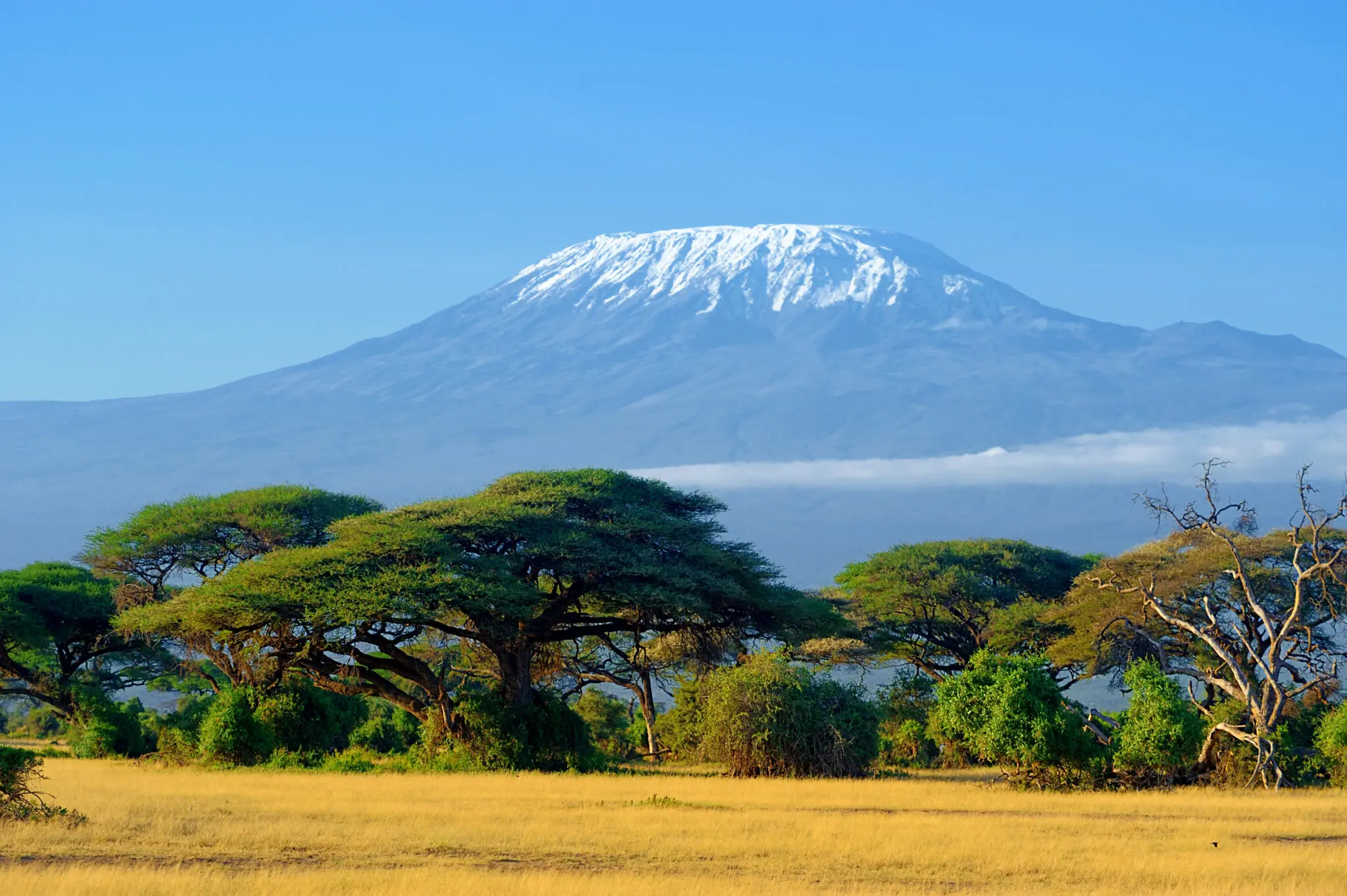
Mount Kilimanjaro is the highest mountain in Africa and one of Tanzania’s most famous natural landmarks. Located in northern Tanzania near the Kenyan border, this dormant volcanic mountain rises to an impressive height of 5,895 meters (19,341 feet).
Often referred to as the “Roof of Africa,” Kilimanjaro attracts climbers from around the world who want to challenge themselves while experiencing one of the continent’s most spectacular landscapes. The mountain is also part of Kilimanjaro National Park, a UNESCO World Heritage Site recognized for its unique ecosystems and natural beauty.
Kilimanjaro consists of three volcanic cones: Kibo, Mawenzi and Shira. Uhuru Peak, located on Kibo, marks the highest point and is the ultimate goal for most climbers.
One of the most remarkable aspects of climbing Kilimanjaro is the variety of landscapes encountered during the ascent. Trekkers pass through cultivated farmland, lush rainforest, moorland, alpine desert and arctic summit conditions within just a few days.
How Hard Is It To Climb Kilimanjaro?
Many travelers wonder how difficult climbing Kilimanjaro really is. The answer is that Kilimanjaro is physically demanding but not technically difficult.
You do not need ropes, climbing equipment or previous mountaineering experience. However, reaching the summit requires endurance, determination and proper acclimatization.
The biggest challenge on Kilimanjaro is altitude. As you ascend higher on the mountain, oxygen levels decrease significantly. Even very fit individuals can experience altitude-related symptoms, which is why choosing the right route and allowing sufficient time for acclimatization is essential.
The key factors that influence summit success include:
- Choosing an appropriate route
- Allowing enough acclimatization time
- Maintaining a slow and steady pace
- Staying hydrated
- Following your guide’s instructions
- Preparing physically before departure
Many successful climbers are not elite athletes. Proper preparation and patience are often more important than raw fitness.
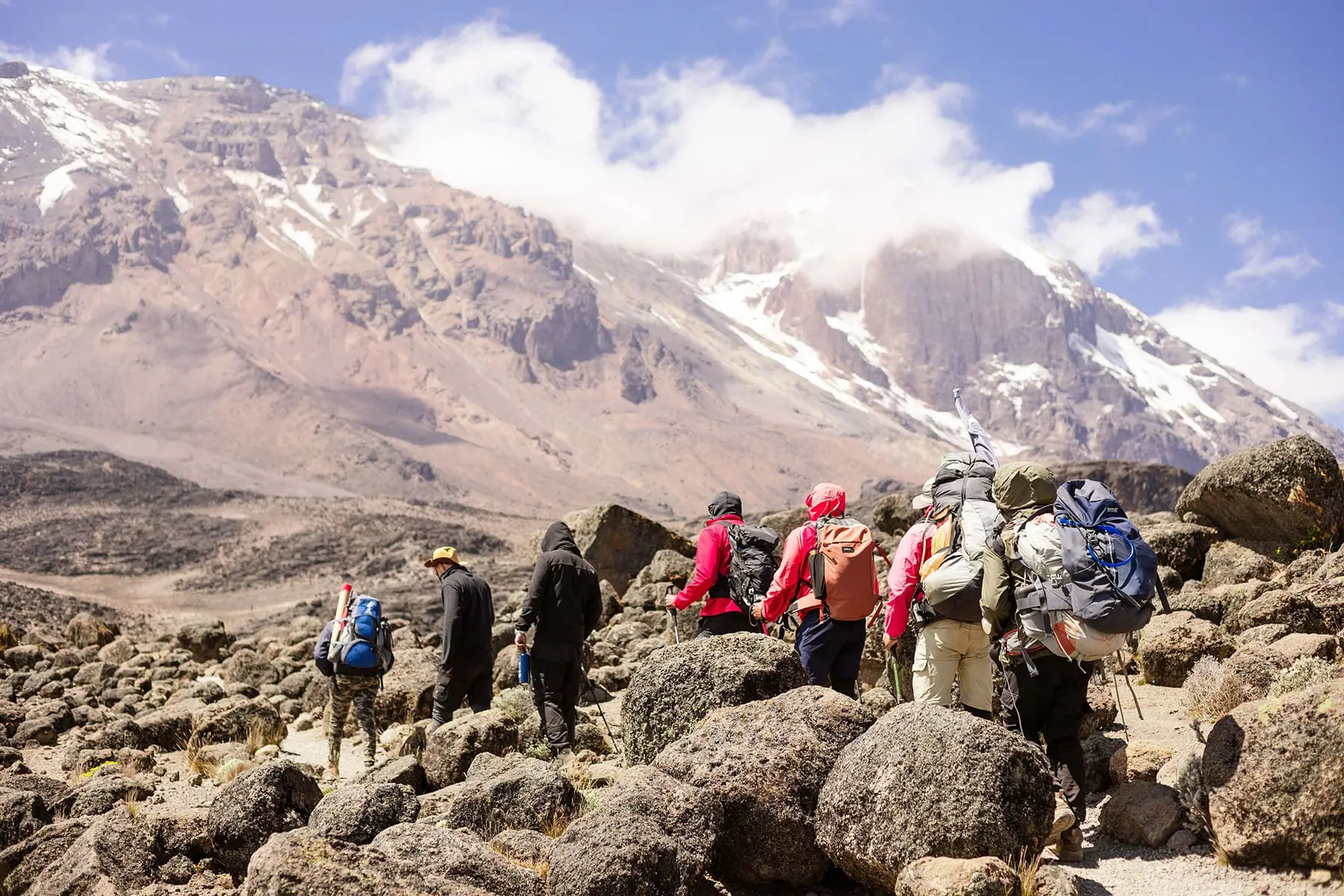
Kilimanjaro Routes Explained
There are several Kilimanjaro routes, each offering a different experience in terms of scenery, duration, acclimatization and difficulty. Choosing the right route is one of the most important decisions when planning your climb.
Marangu Route
The Marangu Route is one of the most established routes on Kilimanjaro and is often known as the “Coca-Cola Route.” It is unique because climbers sleep in mountain huts instead of tents.
This route is suitable for travelers who prefer more basic indoor accommodation and a relatively straightforward itinerary. However, because it is shorter than some alternatives, acclimatization opportunities can be more limited.
explore routeLemosho Route
The Lemosho Route is widely considered one of the most scenic Kilimanjaro routes. Starting on the western side of the mountain, it offers spectacular landscapes, excellent acclimatization opportunities and strong summit success rates.
The route includes highlights such as the Shira Plateau and the famous Barranco Wall, making it a favorite among many experienced trekkers.
explore routeMachame Route
The Machame Route, often called the “Whiskey Route,” is one of the most popular routes on Kilimanjaro. It combines dramatic scenery with a strong acclimatization profile and is well suited to adventurous travelers looking for a rewarding challenge.
Many climbers choose Machame because it offers a balance between scenic beauty and summit success potential.
explore routeRongai Route
The Rongai Route approaches Kilimanjaro from the northern side near the Kenyan border. It is generally quieter than the southern routes and offers a different perspective of the mountain.
The gradual ascent makes it attractive for travelers looking for a less crowded climbing experience.
explore 6-day route explore 7-day routeNot sure which Kilimanjaro route is right for you? Our local team can help you compare the different routes and choose the option that best matches your fitness level, travel plans and summit goals.
How Much Does It Cost To Climb Kilimanjaro?
The cost of climbing Kilimanjaro varies depending on the route, trip duration and level of support included in the climb.
Most Kilimanjaro climbs range between approximately $1,600 and $2,500+ per person. A significant portion of this cost comes from mandatory park fees, guide services, porter support and mountain logistics.
A typical Kilimanjaro package includes:
- Kilimanjaro National Park fees
- Professional mountain guides
- Porters and support crew
- Accommodation during the climb
- Meals on the mountain
- Camping or hut facilities
- Transportation to and from the mountain
- Safety equipment and emergency procedures
Choosing a reputable operator with experienced guides and proper safety standards is one of the most important investments you can make when planning your climb.
Best Time To Climb Kilimanjaro
Kilimanjaro can be climbed throughout the year, but weather conditions vary depending on the season.
January To March
This period often offers relatively stable weather conditions and fewer climbers on the mountain. Temperatures can be colder near the summit, but many travelers appreciate the quieter atmosphere.
June To October
This is generally considered the most popular period for climbing Kilimanjaro. The weather is often drier, visibility is excellent and trail conditions are favorable.
Rainy Seasons
April, May and parts of November typically experience higher rainfall. While climbing remains possible, trails may be wetter and visibility can be reduced.
How To Prepare For Kilimanjaro
Proper preparation can make a significant difference to your Kilimanjaro experience. Although technical climbing skills are not required, physical and mental preparation are important.
Physical Preparation
Cardiovascular fitness is beneficial when training for Kilimanjaro. Hiking, running, cycling and long walks can help build endurance before your trip.
Altitude Awareness
Altitude is the main challenge on Kilimanjaro. Choosing a route with sufficient acclimatization time and following your guide’s pace recommendations can greatly improve your chances of success.
Equipment And Clothing
Kilimanjaro’s climate changes dramatically as you gain altitude. Essential equipment includes hiking boots, layered clothing, waterproof gear, warm summit clothing and a quality daypack.
Mental Preparation
Many climbers find summit night to be the most challenging part of the climb. A positive mindset, patience and determination are often just as important as physical fitness.
Climbing Kilimanjaro With A Guide
All climbers on Kilimanjaro are required to climb with a licensed guide. However, guides do much more than simply lead the way.
Experienced guides monitor your health, manage the pace of the climb, identify altitude-related symptoms and provide encouragement throughout the journey. Their expertise can significantly influence both your safety and your summit success.
Meet The Local Mountain Team
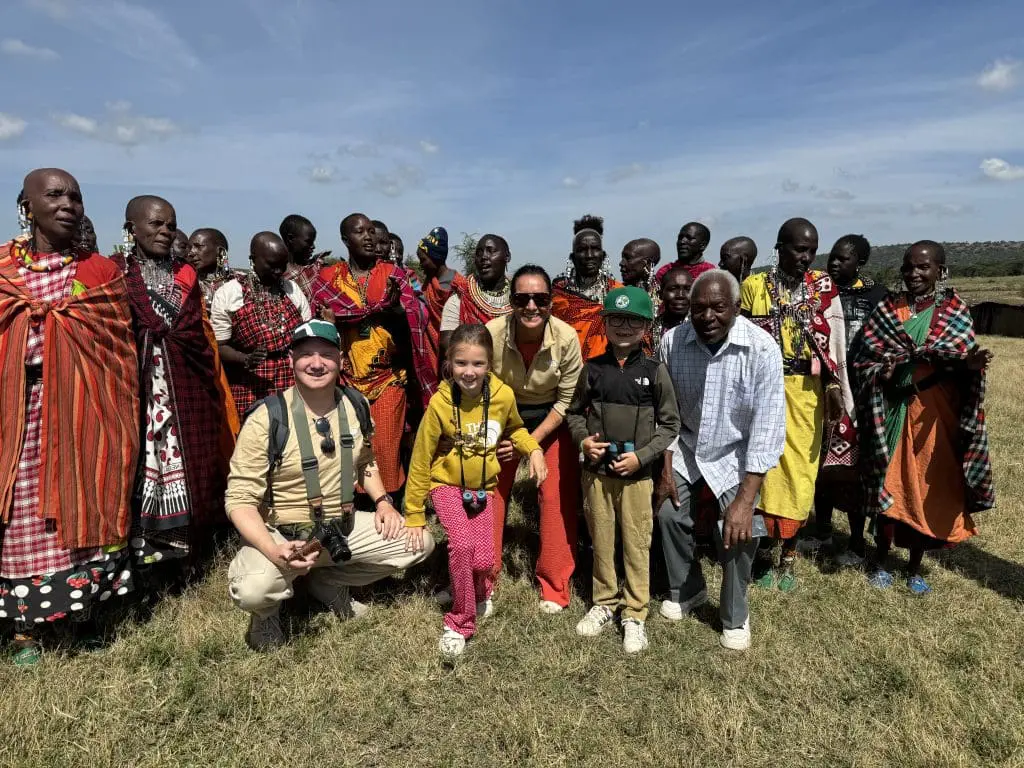
Behind every successful Kilimanjaro climb stands a dedicated team of guides, cooks and porters. Their experience, local knowledge and support help transform a challenging trek into an unforgettable adventure.
Beyond guiding you safely to the summit, they share insight into the mountain, local culture and daily life in Tanzania. For many travelers, the people they meet on the mountain become one of the most memorable parts of the journey.
Why Travelers Trust Shemeji Safari
Shemeji Safari is a Dutch-Tanzanian family-owned company based in Arusha, the gateway to Kilimanjaro National Park. We combine local expertise with personal service to help travelers prepare for and complete their Kilimanjaro adventure with confidence.
From your first inquiry until your return from the mountain, our team provides honest advice, practical support and a personalized approach. Our goal is not only to help you reach the summit, but to ensure you enjoy every stage of the journey.
- Dutch-Tanzanian family-owned company
- Based locally in Arusha
- Experienced mountain guides and support crews
- Tailor-made travel planning
- Personal support before and during your trip
- Excellent traveler reviews
- Travelers’ Choice award winner
Combine Kilimanjaro With A Tanzania Safari
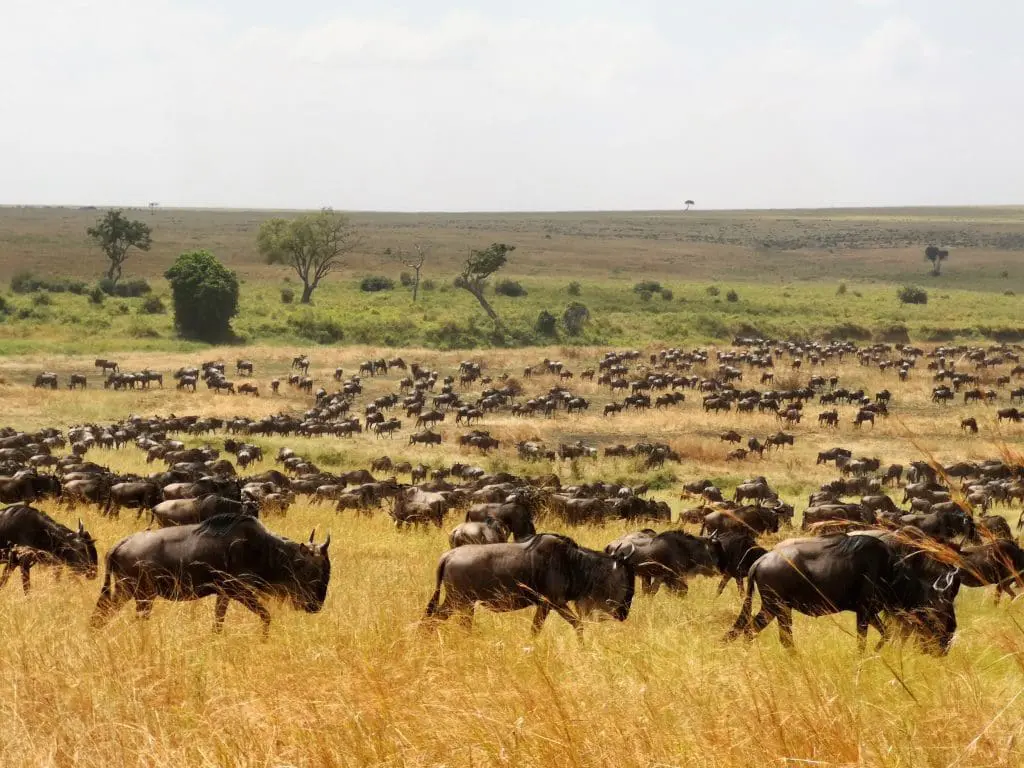
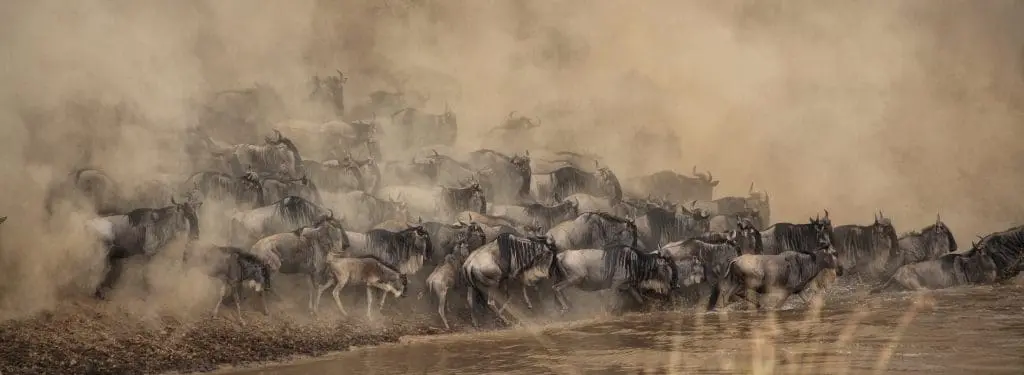
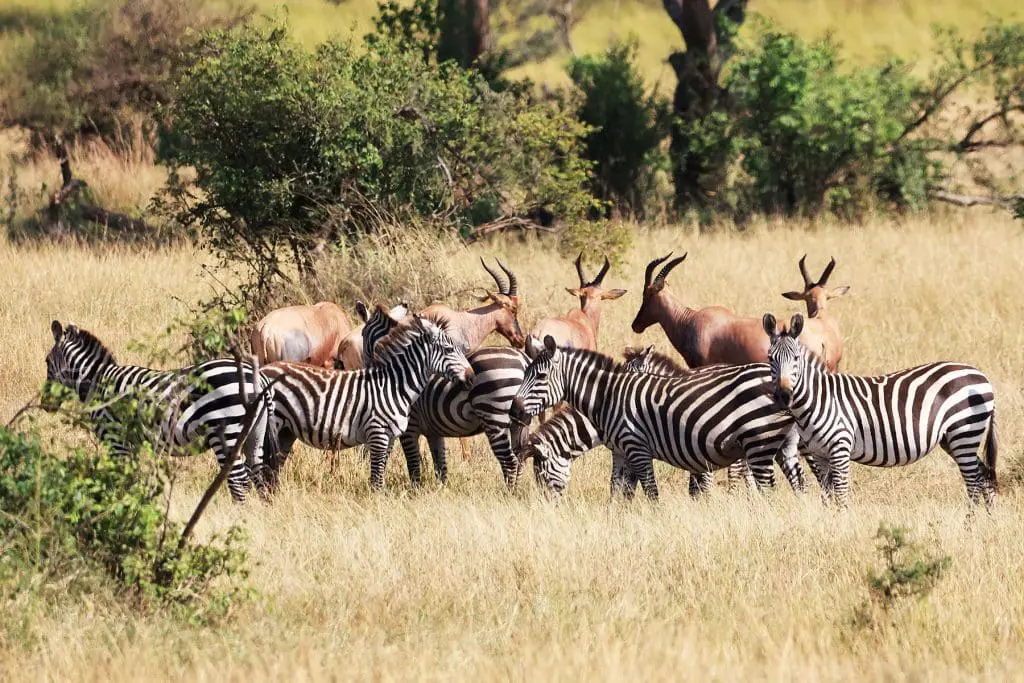
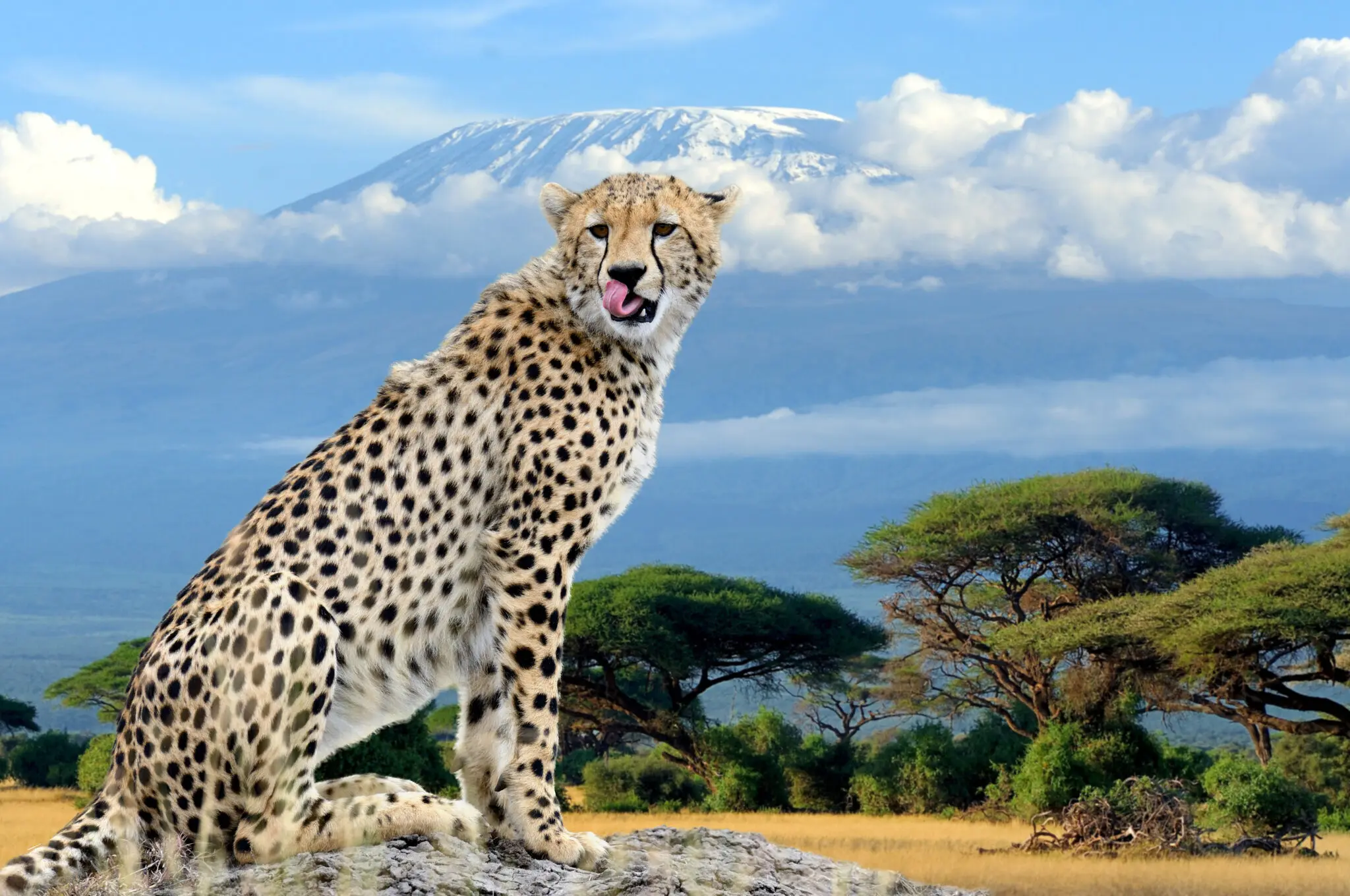
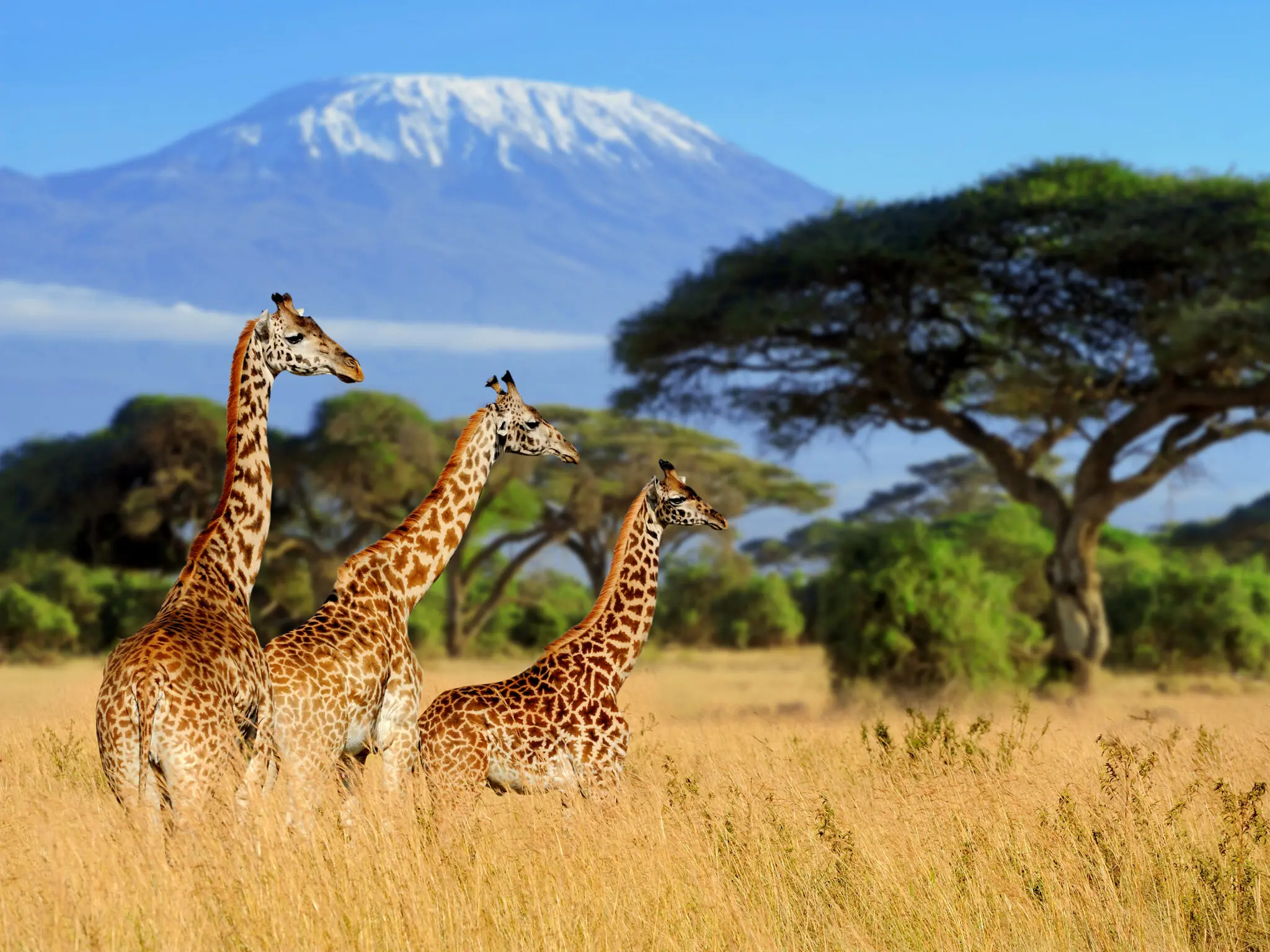
Many travelers choose to continue their adventure after Kilimanjaro by exploring Tanzania’s famous wildlife destinations. Combining a mountain climb with a safari allows you to experience two of Africa’s greatest adventures in a single journey.
After reaching the summit, you can discover destinations such as the Serengeti, Ngorongoro Crater, Tarangire and Lake Manyara through our Tanzania travel experiences.
Combine Kilimanjaro With Zanzibar
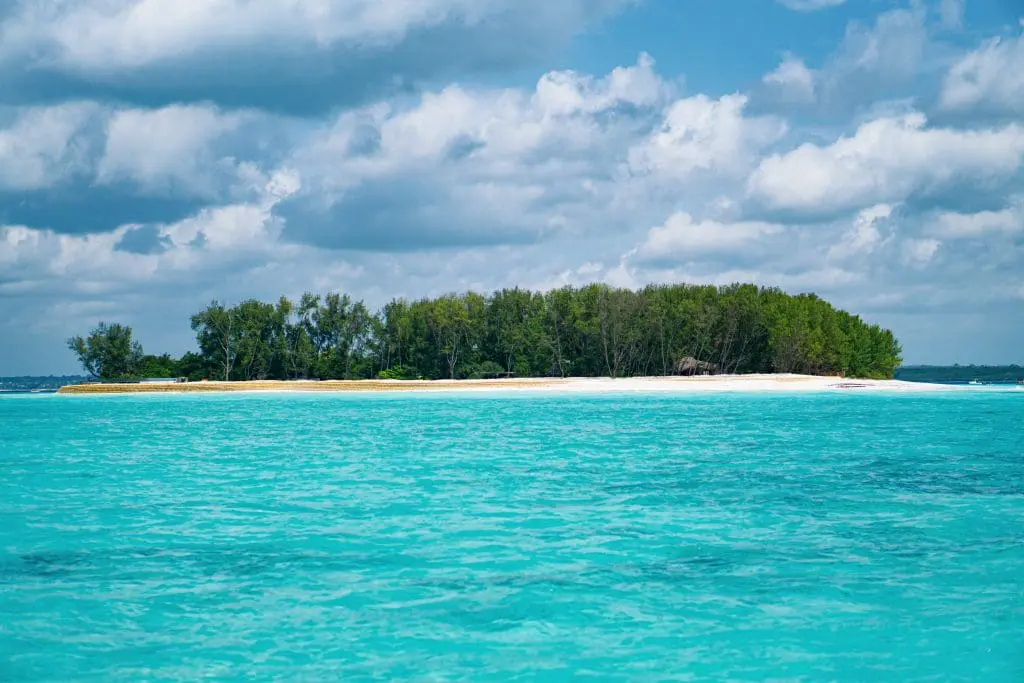
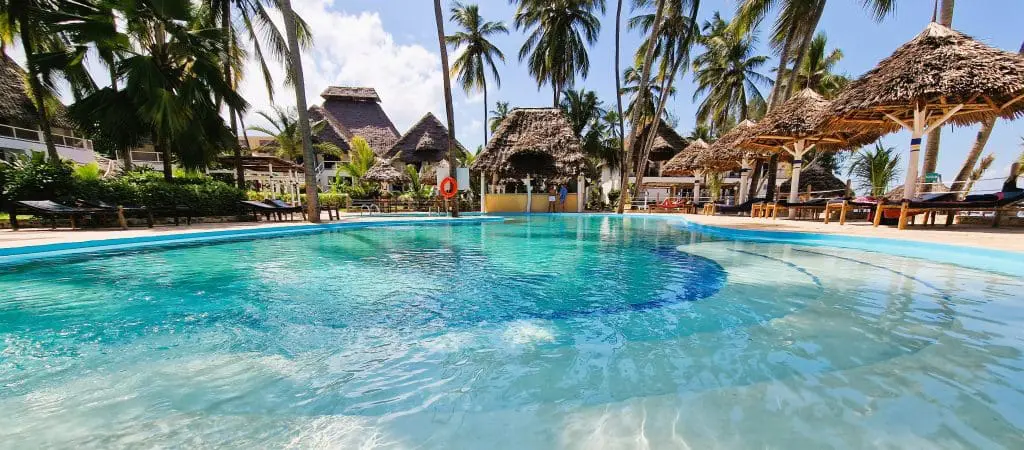
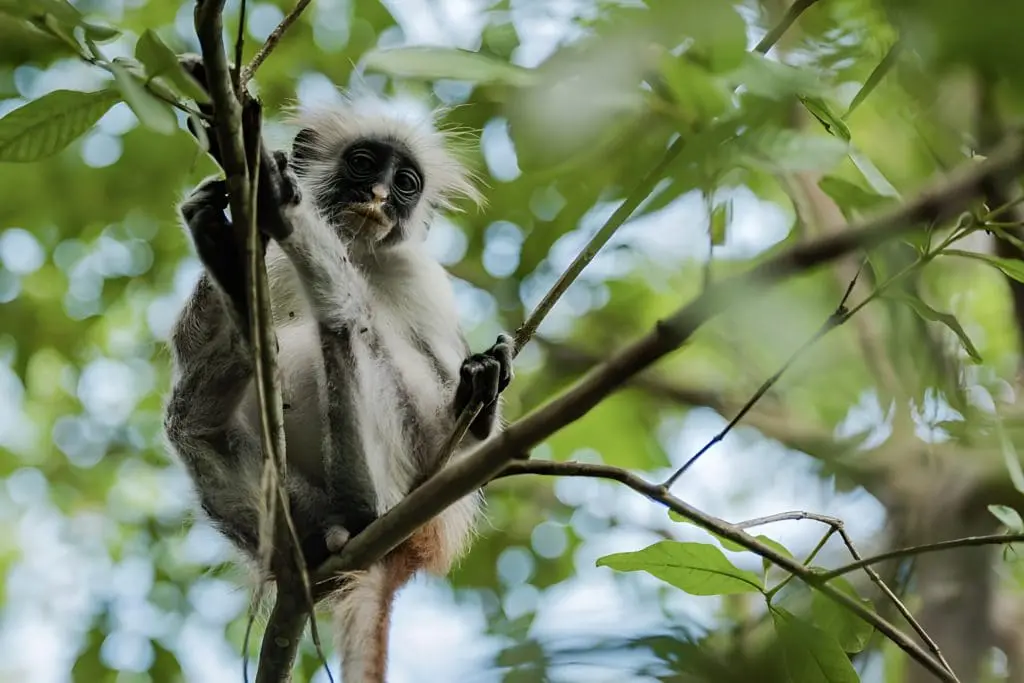
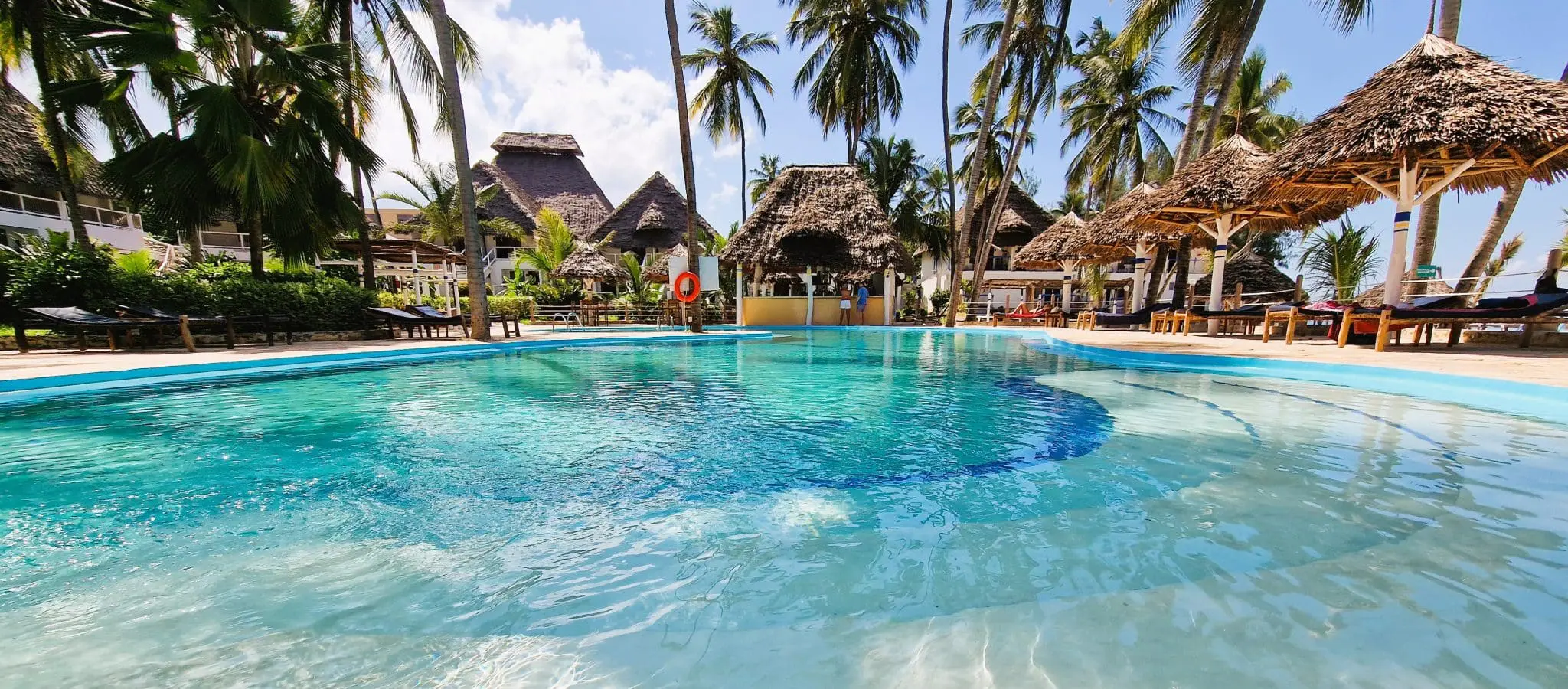
After conquering Africa’s highest mountain, many travelers choose to relax on the white-sand beaches of Zanzibar. The contrast between Kilimanjaro’s rugged landscapes and Zanzibar’s tropical coastline creates the perfect combination of adventure and relaxation.
Discover more about the island on our Zanzibar page or explore our Tanzania & Zanzibar holidays.
Start Planning Your Kilimanjaro Adventure
Whether you are planning your first mountain adventure or combining Kilimanjaro with a safari or Zanzibar holiday, our team is ready to help you create the perfect itinerary.
Tell us when you want to travel, how much time you have available and what type of experience you are looking for. We will help you choose the route and travel plan that best fit your goals.
Kilimanjaro Tips For First-Time Climbers
If this is your first high-altitude trek, a few simple Kilimanjaro tips can significantly improve your experience.
- Choose a route with sufficient acclimatization time.
- Walk slowly and conserve your energy.
- Drink plenty of water throughout the climb.
- Invest in quality hiking boots before your trip.
- Train consistently in the months before departure.
- Listen carefully to your guides and support team.
- Focus on reaching the summit safely rather than quickly.
Many climbers discover that patience and consistency are often more important than fitness alone when climbing Kilimanjaro.
Frequently Asked Questions About Climbing Kilimanjaro
How long does it take to climb Kilimanjaro?
It takes between 5 and 9 days to climb Kilimanjaro, depending on the route you choose. Longer routes generally offer better acclimatization and higher summit success rates.
Do you need climbing experience to climb Kilimanjaro?
No, you do not need climbing experience to climb Kilimanjaro. The mountain is a trekking peak rather than a technical climb, making it accessible to many travelers with proper preparation.
What is the success rate for climbing Kilimanjaro?
The success rate for climbing Kilimanjaro depends on the route and acclimatization schedule. Routes with more acclimatization time generally achieve higher success rates.
Is altitude sickness dangerous on Kilimanjaro?
Altitude sickness can be dangerous on Kilimanjaro if symptoms are ignored. This is why guides carefully monitor climbers throughout the ascent.
What should you pack for Kilimanjaro?
You should pack hiking boots, layered clothing, waterproof gear, warm summit clothing, a daypack and personal essentials suitable for changing mountain conditions.
What is the height of Mount Kilimanjaro?
The height of Mount Kilimanjaro is 5,895 meters (19,341 feet), making it the highest mountain in Africa.
What is the best time to climb Kilimanjaro?
The best time to climb Kilimanjaro is generally during the drier seasons when weather conditions and visibility are often most favorable.
Can you combine Kilimanjaro with safari or Zanzibar?
Yes, you can combine Kilimanjaro with safari or Zanzibar. Many travelers choose to continue their Tanzania adventure with wildlife experiences, beach holidays or both.