





Tanzania weather by month: climate, seasons and safari conditions
Tanzania weather is generally warm throughout the year, but conditions vary by season, region and altitude. Northern Tanzania usually has two rainy periods, from March to May and from October to December, while June to September is generally the driest part of the year.
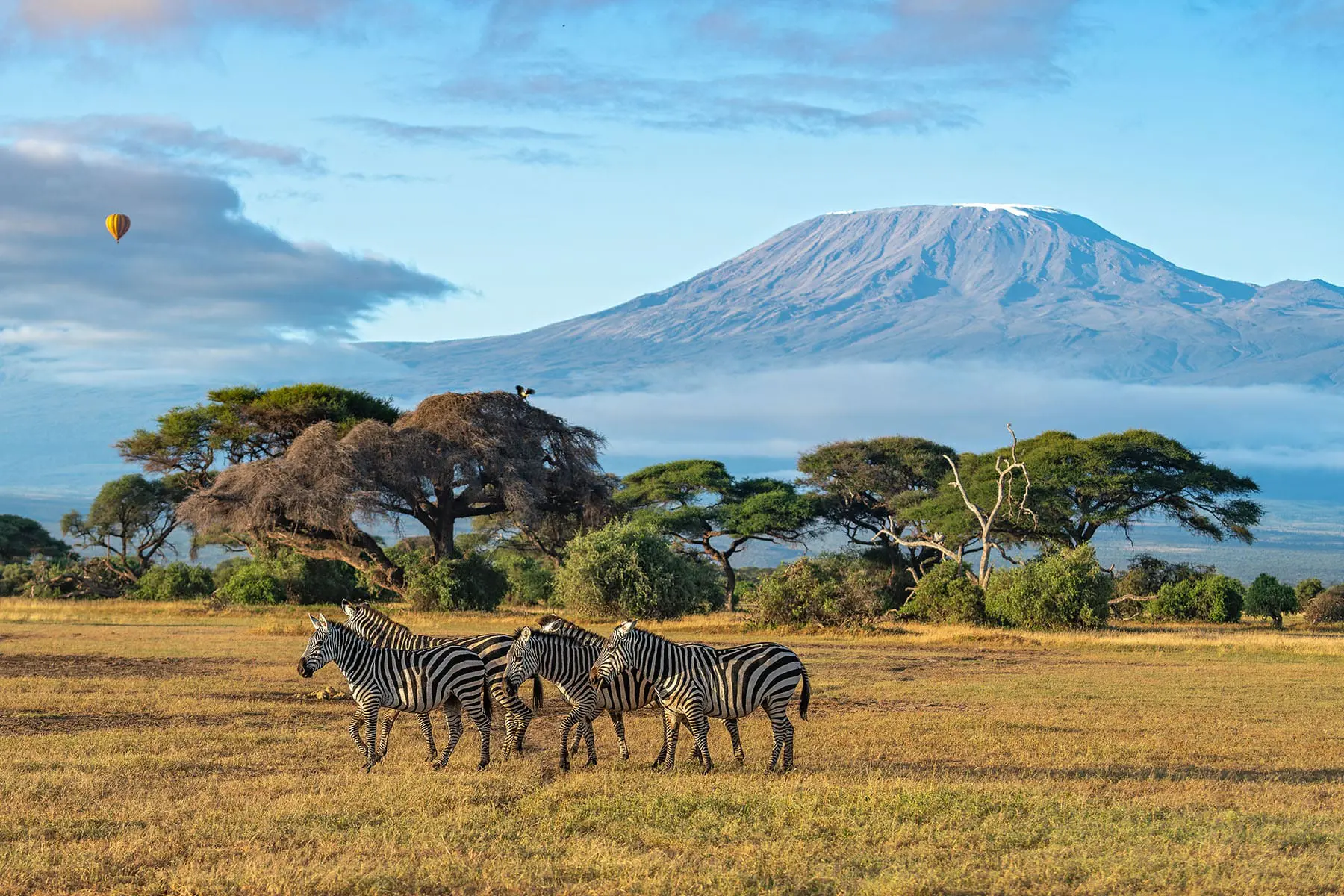
Dry weather is not automatically the best choice for every safari. Tanzania is also beautiful during the greener and quieter months, when the landscape is lush, visitor numbers can be lower and wildlife sightings often feel more peaceful. At Shemeji Safari, we particularly like the period from mid March to mid July for travellers who value green scenery and a quieter safari experience.
September and October can also be excellent months to travel. Conditions are generally dry and the Great Migration may still be in the northern Serengeti, where river crossings can occur. These natural events can never be guaranteed, but this period can offer an appealing balance between migration activity, good safari conditions and fewer peak season crowds.
What is the weather like in Tanzania?
Tanzania has a tropical climate, but its size and varied landscape create significant regional differences. Coastal areas are generally warmer and more humid, while higher areas such as Arusha, the Ngorongoro highlands and the slopes around Kilimanjaro can be much cooler.
The warmer part of the year generally runs from October into February or March, while May to August tends to feel cooler. Altitude has a major influence. A morning in the Ngorongoro highlands can feel surprisingly cold even when lower safari areas are warm later in the day.
Rainfall patterns are equally important. Northern Tanzania generally experiences longer rains from March to May and shorter rains from October to December. Much of southern, central and western Tanzania follows a different pattern, with one main rainy period that usually runs from November until April or May.
These patterns are useful for planning, but Tanzania weather does not follow an exact calendar. Rain may arrive earlier or later, and conditions can differ considerably between regions.
What is Tanzania weather like by month?
Tanzania weather by month depends on where you travel. The overview below gives a practical indication of conditions, with a particular focus on the northern safari circuit.
Month |
General weather |
Safari experience |
|
January |
Warm and often relatively dry in northern Tanzania |
Green landscapes, warm days and the beginning of an important period in the southern Serengeti |
|
February |
Warm and generally relatively dry in the north |
Excellent period for the wildebeest calving season in the southern Serengeti |
|
March |
Increasing chance of rain |
Green scenery, fewer visitors in many areas and the transition towards the longer rains |
|
April |
One of the wetter months in northern Tanzania |
Lush landscapes, quieter parks and a very different safari atmosphere from the peak season |
|
May |
Rainy conditions with changing weather |
Green scenery, fewer safari vehicles and quieter lodges and camps in many areas |
|
June |
Becoming drier and cooler |
Excellent transition month with green landscapes and increasingly dry safari conditions |
|
July |
Dry with cooler mornings and evenings |
Reliable safari weather, strong wildlife viewing and the beginning of the busiest travel period |
|
August |
Dry and generally sunny |
Classic dry season safari conditions and one of the busiest months in popular wildlife areas |
|
September |
Dry with temperatures gradually rising |
Excellent safari conditions with possible Great Migration river crossings in the north and potentially less pressure than the busiest weeks |
|
October |
Warm with an increasing chance of rain |
Good safari conditions, possible migration activity in the northern Serengeti and a transition towards the short rains |
|
November |
Short rains in many northern areas |
Fresh vegetation, fewer visitors in some areas and greener landscapes |
|
December |
Warm with possible short rains |
Green scenery, warm temperatures and changing wildlife distribution as rainfall returns |
This overview should be used as a guide rather than a fixed weather calendar. Rainfall, altitude and geography influence local conditions, and every year develops slightly differently.
Tanzania weather from January to March
January and February are generally warm months. Northern Tanzania often experiences a relatively dry period between the short rains and the longer rains, creating pleasant safari conditions.
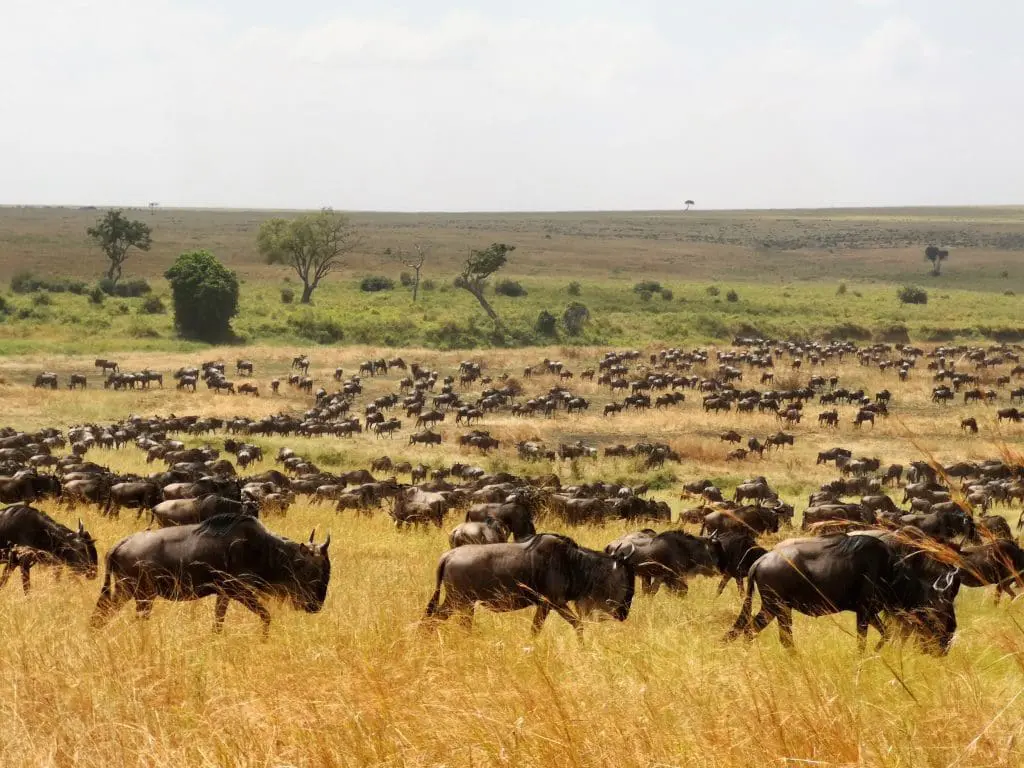
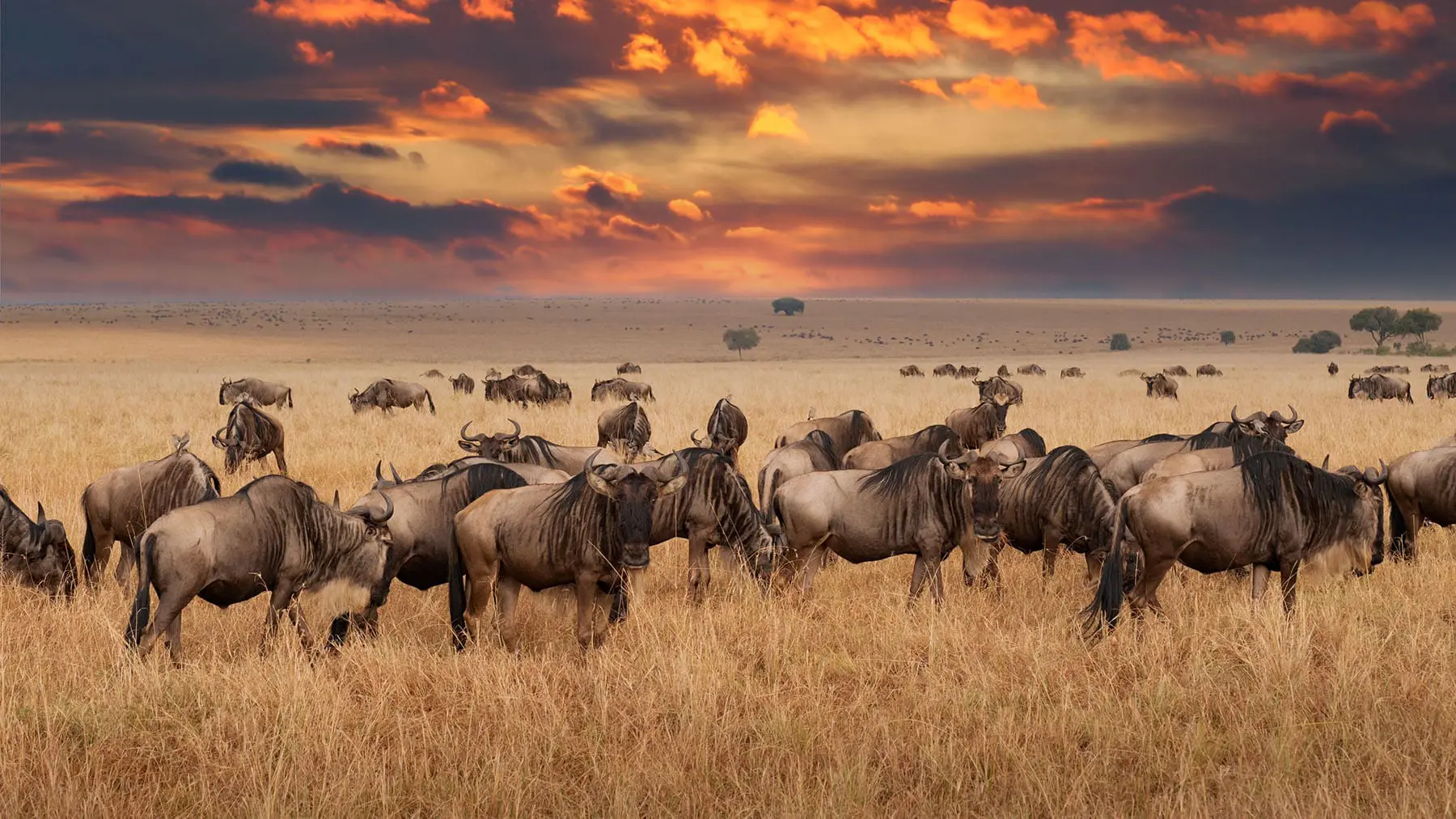
This is also an important period in the southern Serengeti. The green short grass plains support huge wildebeest herds during the calving season, making January through March particularly interesting for travellers who want to combine warm weather with the Great Migration.
During March, rainfall usually becomes more frequent. This is also when Tanzania begins to change. Dry landscapes become greener, visitor numbers can start to fall and the safari experience becomes noticeably quieter.
Tanzania weather from April to June
April and May fall within the longer rainy period in northern Tanzania. These months are sometimes overlooked by travellers who assume rain automatically makes them unsuitable for safari. In reality, they can offer one of the most atmospheric times to experience the country.
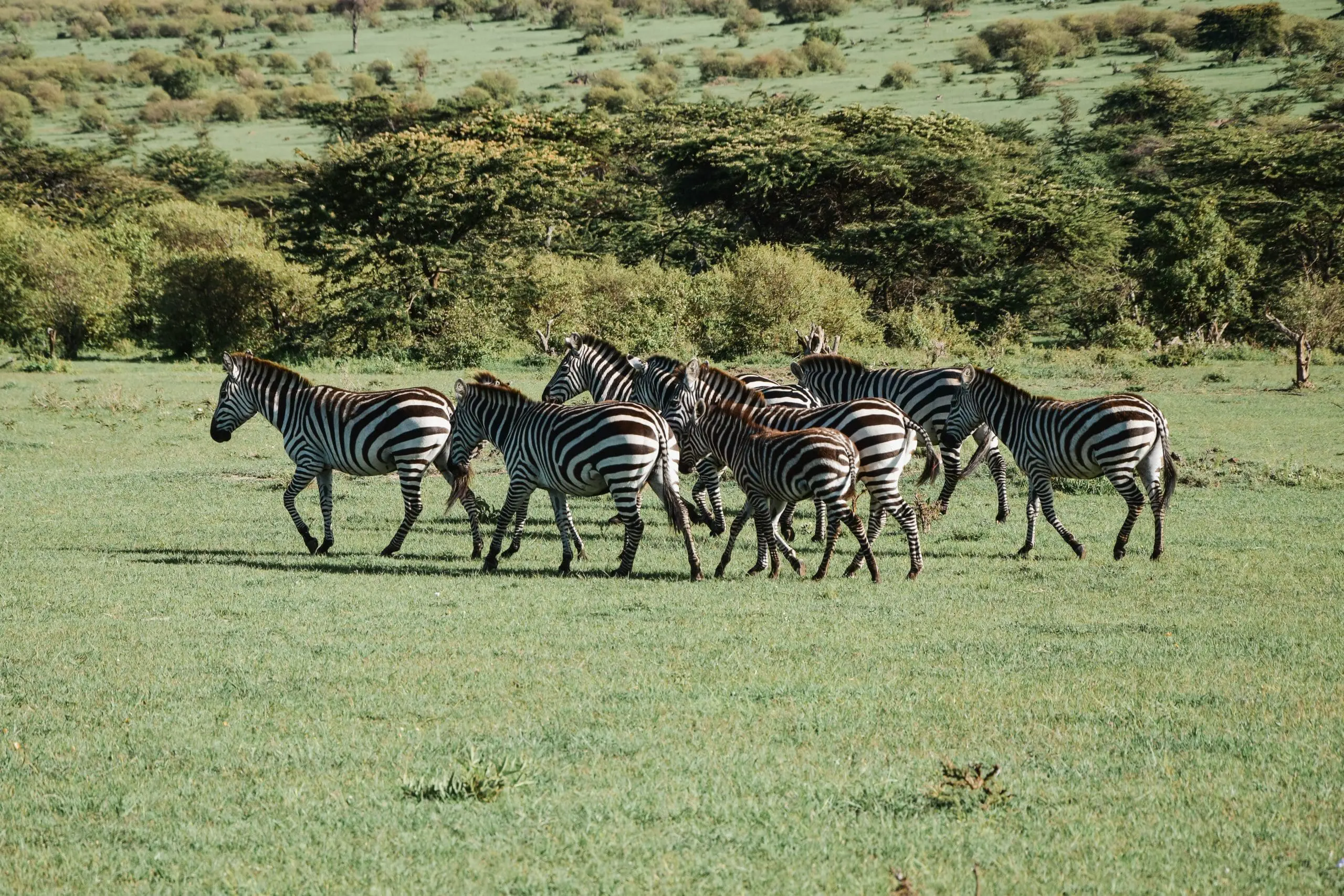
The landscapes are green, skies can be dramatic and the parks are often quieter than during the main dry season. Instead of several safari vehicles gathering around the same wildlife sighting, there can be far more space to observe animals at your own pace.
Rain does not necessarily mean an entire day of continuous rainfall. Showers may be intense but temporary, although local conditions vary. Some unpaved roads can become muddy, which is why local knowledge and flexibility are particularly valuable during this period.
May remains green and relatively quiet, while June marks a gradual transition towards the dry season. Rainfall decreases, humidity drops in many inland areas and conditions become increasingly stable.
For Shemeji Safari, the period from mid March to mid July is one of the most interesting alternatives to the traditional peak season. Travellers who are comfortable with changing weather can experience greener scenery, fewer visitors and a more peaceful atmosphere in many safari areas.
Tanzania weather from July to September
July, August and September are among the driest months across Tanzania. Days are generally pleasant, although early morning game drives can feel cool, particularly in higher areas around Arusha and Ngorongoro.
July and August are well known safari months and popular parks can become busy. Wildlife viewing is often very good because vegetation becomes thinner and animals increasingly depend on permanent water sources.
September is particularly interesting for travellers looking for dry conditions without automatically choosing the busiest part of the season. Large migration herds may still be present in the northern Serengeti National Park, and Mara River crossings can still occur.
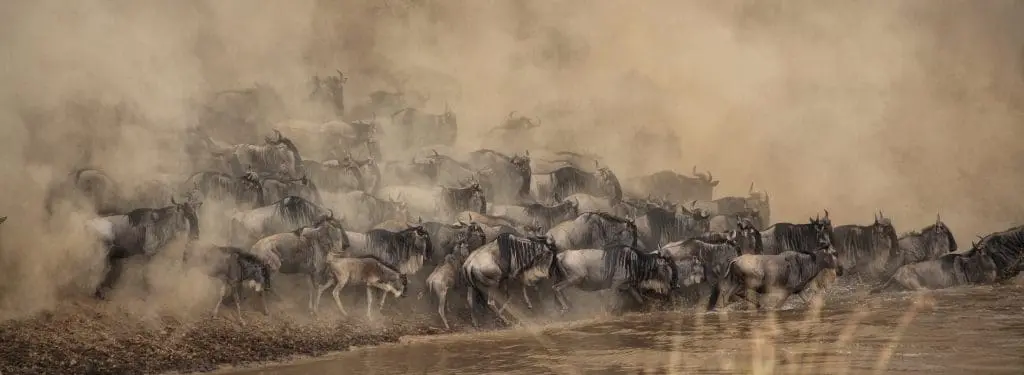
River crossings remain completely natural and unpredictable. No safari company can guarantee that a crossing will happen during a particular day, but September can provide a strong combination of dry weather, migration activity and a somewhat different atmosphere from the height of the peak season.
Tanzania weather from October to December
October is generally warm and marks the transition from the main dry period towards the short rains. It can be an excellent month for safari because many areas remain dry while visitor patterns begin to change.
The Great Migration may still be in the northern Serengeti during part of October, depending on rainfall and grazing conditions. This means travellers can still have the possibility of seeing large herds and river activity without choosing the traditional July or August peak.
The first short rains may arrive during October or November. Their exact timing varies every year.
November is commonly associated with the short rains in northern Tanzania. These rains bring fresh grass and transform dry landscapes into greener scenery. Rain does not automatically mean an entire day is lost. There can still be long dry and sunny periods between showers.
December remains warm, with possible rainfall in areas that follow the northern rainfall pattern. The combination of warm temperatures and fresh vegetation creates another attractive period for travellers who prefer green landscapes.
When is the dry season in Tanzania?
The main dry season in Tanzania generally runs from June through September or October. These months are popular because rainfall is limited in many areas and road conditions are generally reliable.
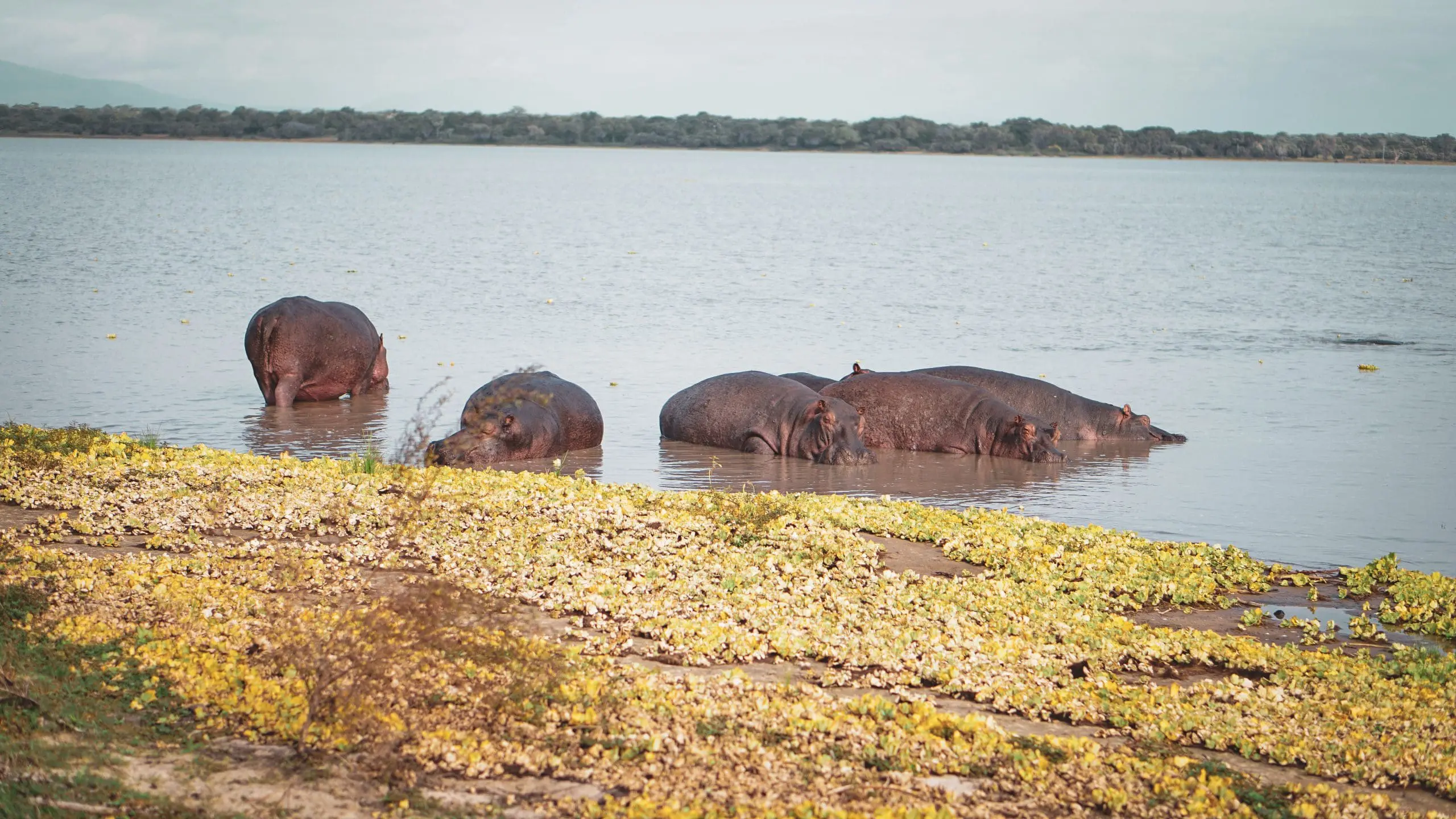
The dry season can be excellent for wildlife viewing. Vegetation becomes thinner and animals often gather closer to permanent rivers, lakes and waterholes.
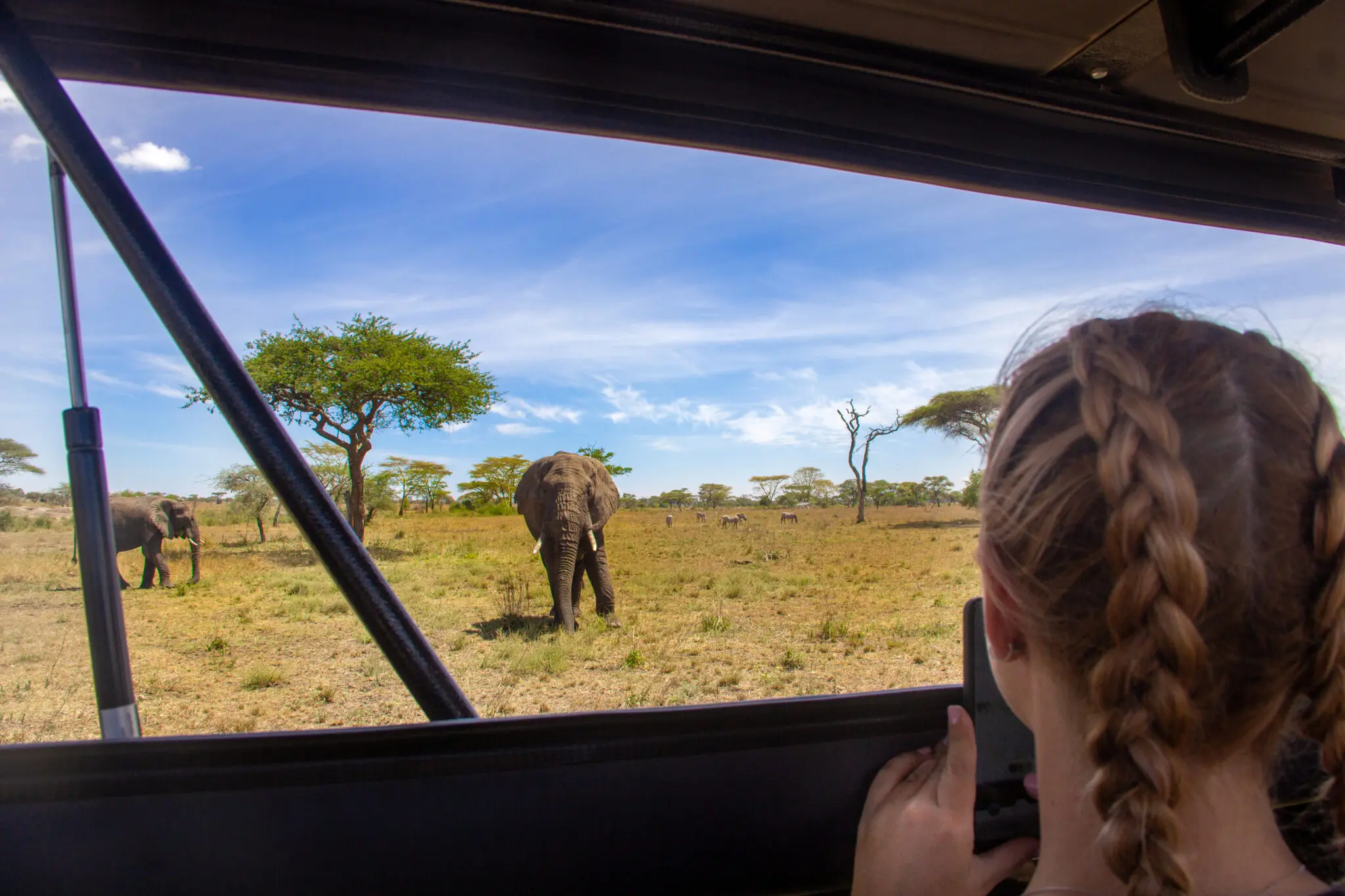
It is also the period when Tanzania receives many safari visitors. Popular wildlife sightings can attract several vehicles, especially during the busiest weeks in famous areas such as the Serengeti.
For travellers who value quieter wildlife encounters, this is an important consideration. Good safari conditions are not limited to the driest months.
When is the rainy season in Tanzania?
There is no single rainy season that applies to all of Tanzania. Northern Tanzania generally has two rainy periods. The longer rains usually occur from March to May, while the shorter rains are common from October to December.
Southern, western and much of central Tanzania generally experience one longer rainy period between November and April or May.
The term rainy season can sound more dramatic than the reality. Rainfall can arrive in heavy showers followed by dry periods, and the amount of rain varies between locations and years.
The rainy periods also have clear advantages. The landscape becomes greener, visitor numbers can be lower and the entire atmosphere of the parks changes.
What are the long rains in Tanzania?
The long rains in northern Tanzania are generally associated with March, April and May. This period is locally known as the Masika rains.
April is often one of the wetter months, but that does not make it an unsuitable time to travel. Vegetation is lush, wildlife areas can feel far quieter and many travellers enjoy seeing the parks at their greenest.
Some tracks may become muddy and travel plans occasionally need to be adjusted. A private safari with a local guide provides more flexibility when weather or road conditions change.
What are the short rains in Tanzania?
The short rains generally occur between October and December in northern Tanzania, the northeastern highlands, northern coastal areas and Zanzibar.
They are usually less prolonged than the March to May rainy period, although their timing and intensity vary. Some days may bring short heavy showers while others remain almost completely dry.
The rains bring fresh grass and water back to areas that have been dry for several months. This changes both the landscape and the distribution of wildlife.
Is the rainy season a good time to visit Tanzania?
Yes. The rainy season can be a very rewarding time to visit Tanzania, particularly for travellers who value green landscapes, lower visitor numbers and a quieter safari experience.
From mid March through May, large parts of northern Tanzania become increasingly green. There are usually fewer safari vehicles than during the busiest dry season months, which can make wildlife encounters feel more personal.
June and the first half of July then offer an attractive transition. Landscapes can still retain much of their green character while the weather becomes progressively drier.
This is why Shemeji Safari often recommends considering the period from approximately mid March to mid July rather than focusing only on the traditional high season. Weather can be less predictable during part of this period, but the reward can be a quieter and greener Tanzania.
Does the weather differ across Tanzania?
Yes. Tanzania weather can differ considerably between regions during the same month. Altitude, distance from the Indian Ocean and local geography all influence rainfall and temperature.
National temperature averages therefore tell only part of the story. Weather in the Ngorongoro highlands can feel completely different from conditions on the coast, while southern and western Tanzania may follow a different rainfall pattern from the northern safari circuit.
Weather in northern Tanzania
Northern Tanzania includes many of the country’s best known safari areas, including Arusha, Tarangire, Lake Manyara, Ngorongoro and the Serengeti.
This region generally experiences longer rains between March and May and shorter rains between October and December. January and February are often relatively dry, while June through September form the main dry period.
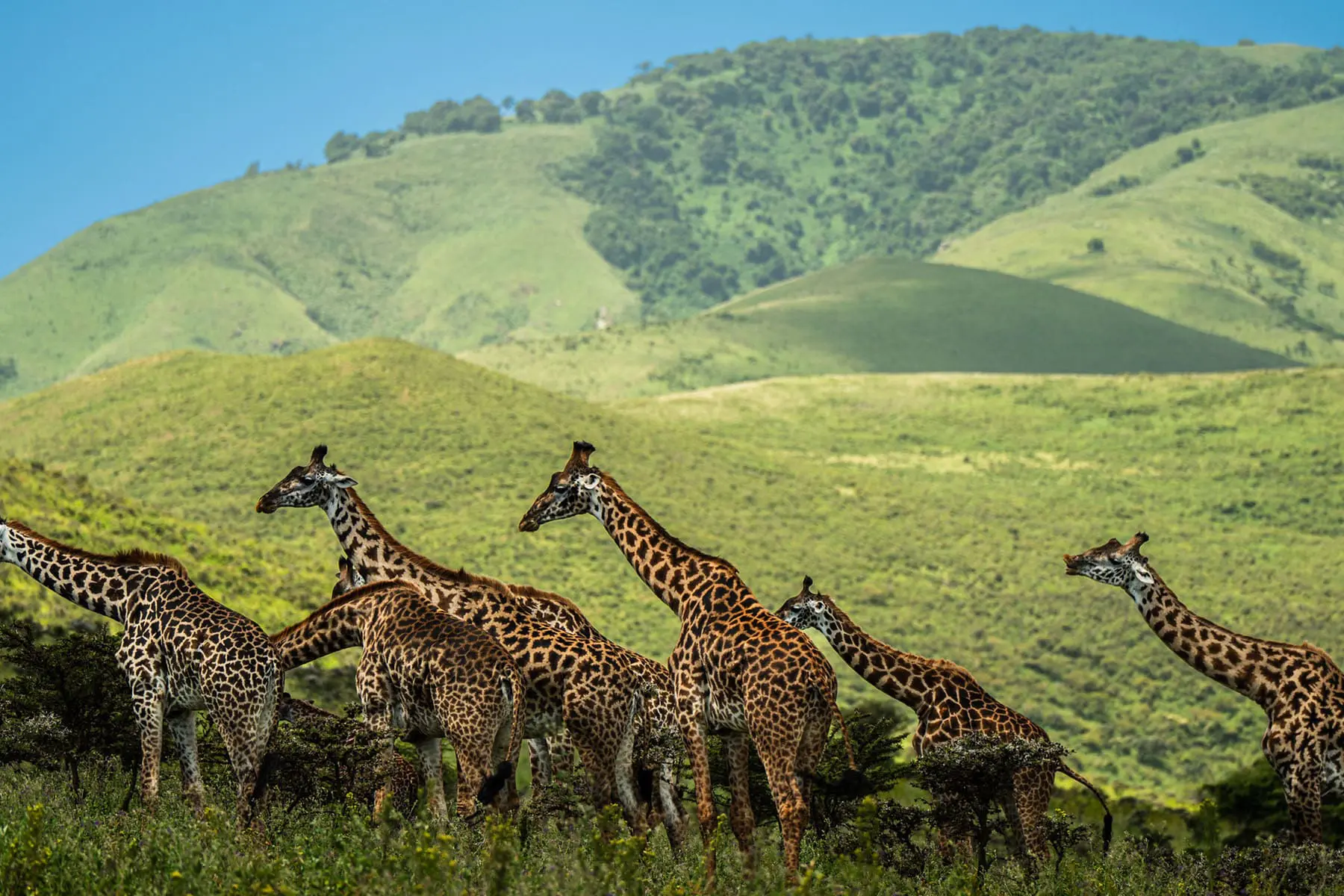
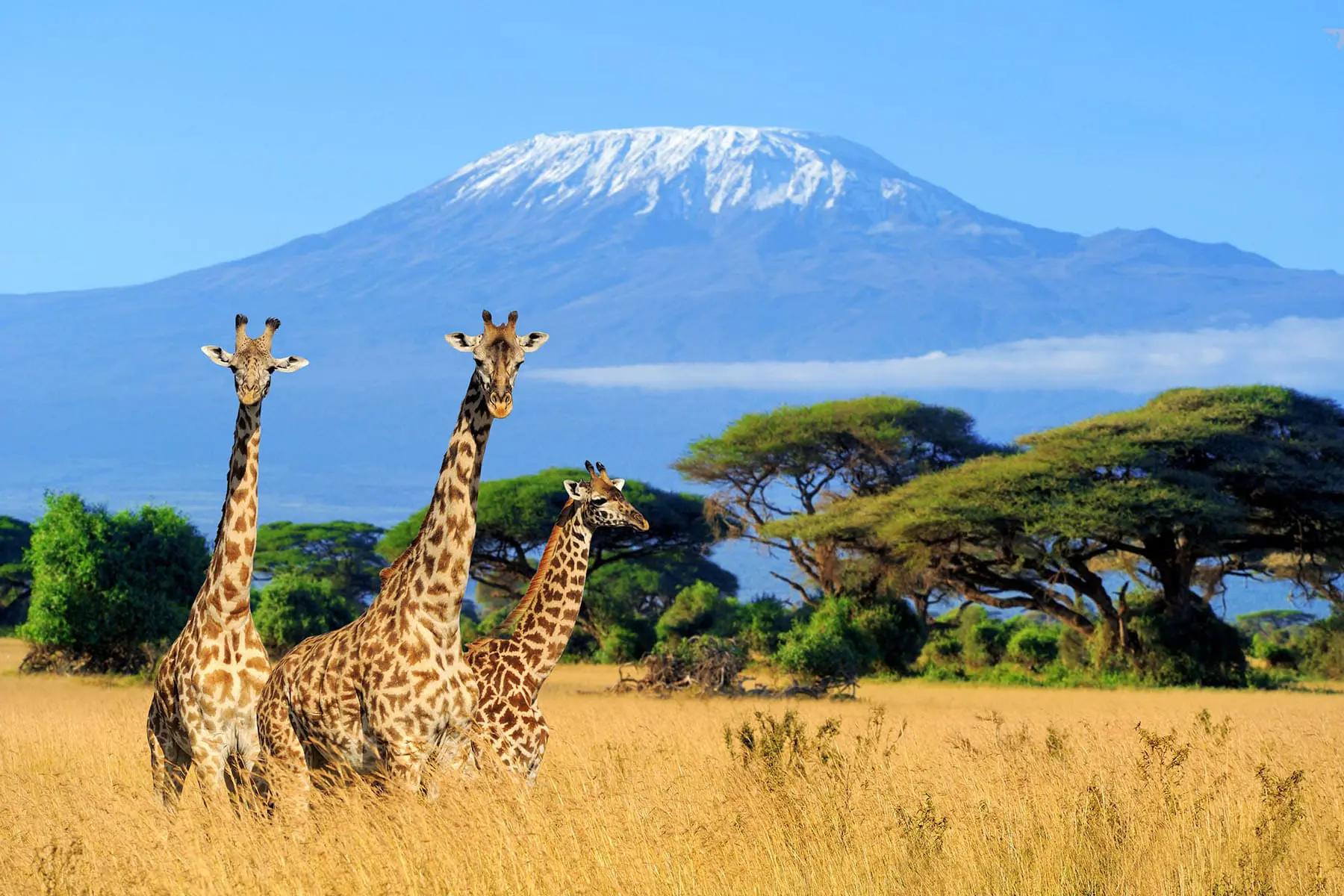
Altitude creates important local differences. The Ngorongoro Crater and surrounding highlands can be considerably cooler than lower safari areas. Warm clothing can therefore be useful for early morning game drives even during otherwise pleasant months.
Weather on the Tanzanian coast and Zanzibar
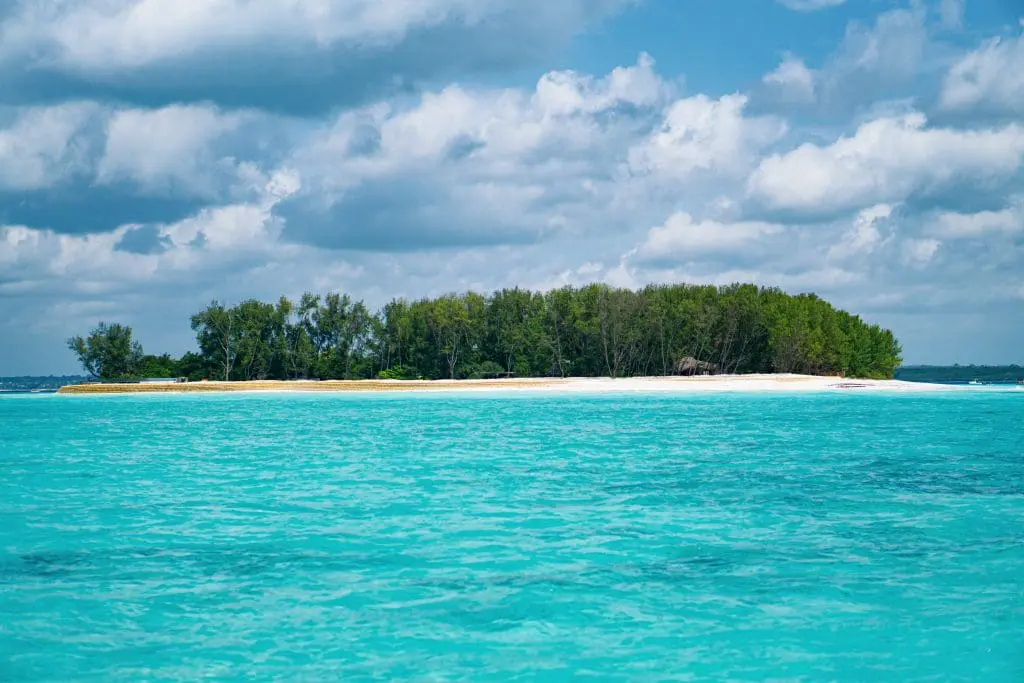
The Tanzanian coast is generally warmer and more humid than the northern highlands. Coastal areas and Zanzibar are strongly influenced by the Indian Ocean and experience smaller temperature differences throughout the year than elevated inland regions.
The coast and Zanzibar also generally experience longer rains from around March to May and shorter rains between October and December.
Beach weather should therefore be considered separately from safari weather when combining Tanzania and Zanzibar in one journey.
Weather around Kilimanjaro
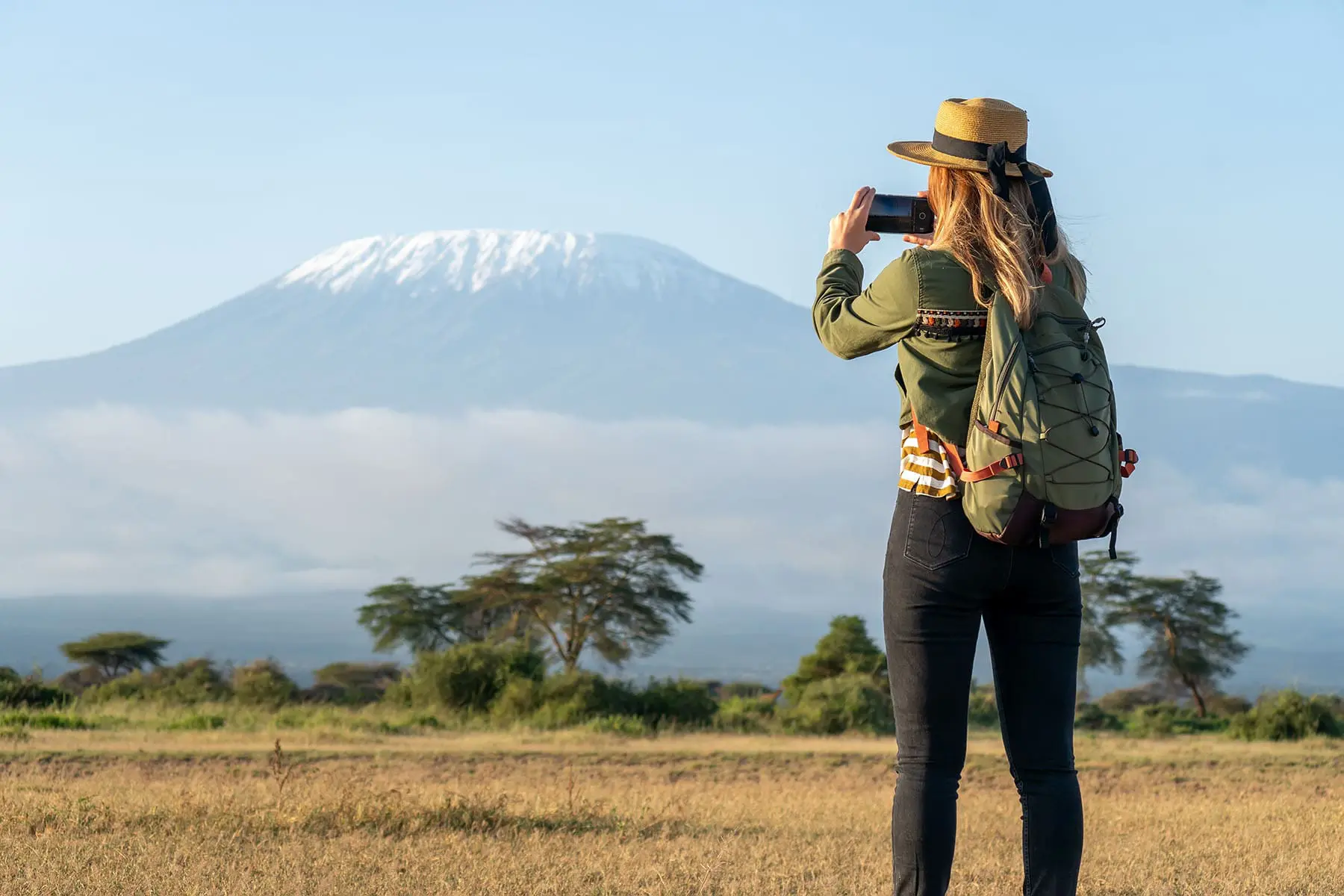
Altitude has an even greater effect around Kilimanjaro. Lower areas may be warm while temperatures fall sharply as elevation increases.
The wider Kilimanjaro region follows the rainfall pattern of Tanzania’s northeastern highlands, with longer rains generally occurring from March to May and shorter rains between October and December.
Travellers climbing Kilimanjaro should always use mountain specific weather and packing information because conditions at altitude are very different from those on safari.
How does Tanzania weather affect a safari?
Tanzania weather changes the landscape, wildlife distribution, road conditions and overall atmosphere of a safari. Wildlife does not disappear during the rainy season. The experience simply changes.
During the dry months, vegetation becomes thinner and wildlife often concentrates around reliable water sources. This can make animals easier to locate, but popular areas may also receive more safari vehicles.
During the greener months, water becomes more widely available and wildlife can spread over larger areas. The vegetation becomes lush, birdlife is particularly varied and the scenery can be beautiful.
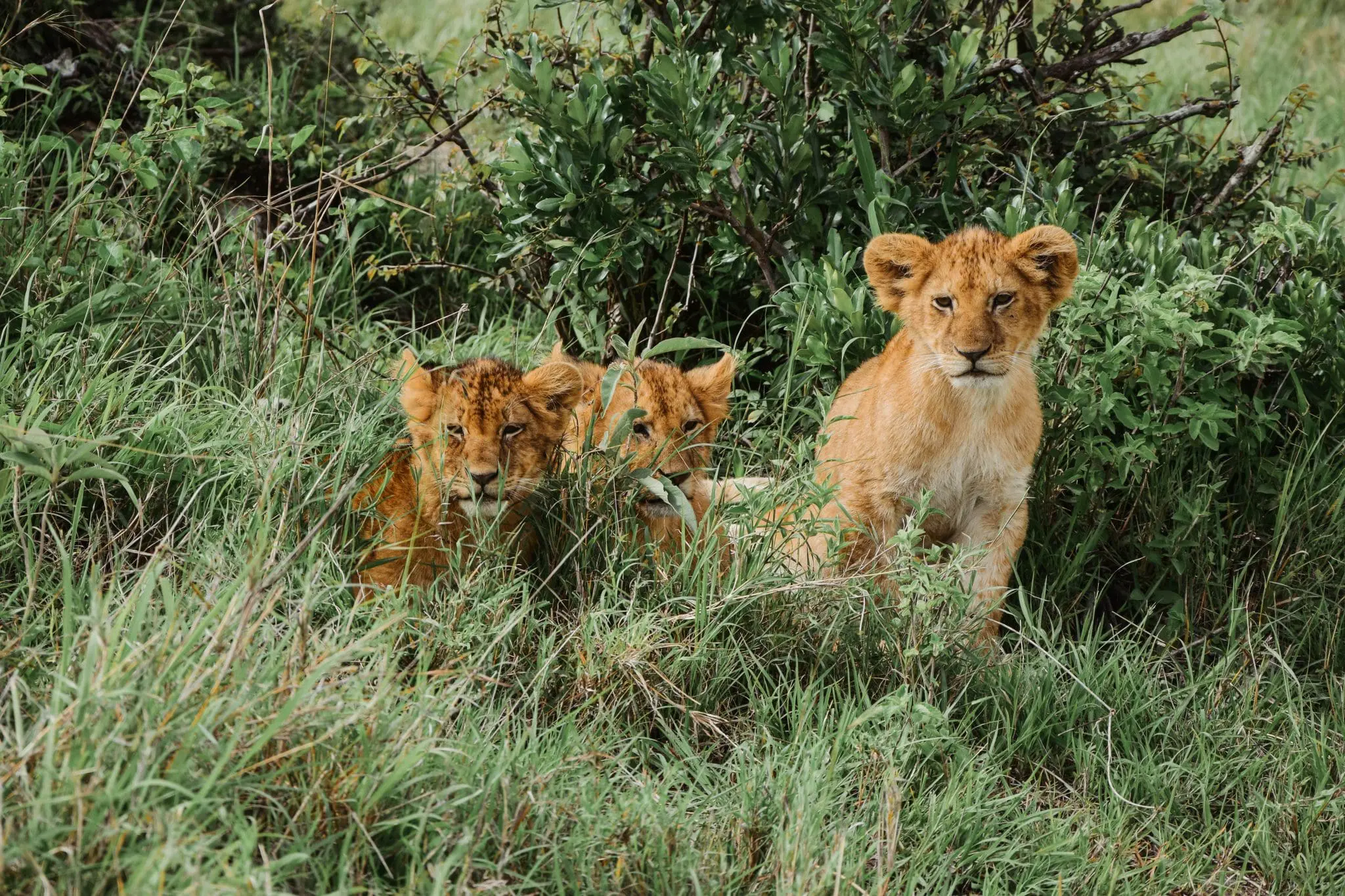
The lower number of visitors during parts of the green season can also change the quality of a sighting. Seeing a lion, elephant herd or cheetah with only a few vehicles nearby can feel very different from visiting during the busiest weeks of the year.
What is the best time to visit Tanzania for good weather?
The best time to visit Tanzania depends on what you consider good weather and what kind of safari experience you want.
June through September offers the most reliable dry conditions across much of the country. These months are popular for good reason, but July and August in particular can also be busy in well known safari areas.
Travellers who prefer greener scenery and fewer visitors should strongly consider mid March to mid July. This period includes part of the longer rains, followed by the transition into the dry season. Conditions can be less predictable, but the landscape is beautiful and many safari areas feel considerably quieter.
September and October are also worth considering. September generally offers dry weather, while October remains warm and often stays dry for much of the month before the short rains become established. Depending on annual migration movements, large wildebeest herds and possible river crossings may still be found in the northern Serengeti.
January and February offer another attractive option. Northern Tanzania is often relatively dry and warm, while the southern Serengeti is home to the Great Migration calving season.
There is therefore no single best month for everyone. The right period depends on whether your priority is dry weather, green landscapes, fewer visitors, migration activity or a combination of these factors.
What should you pack for Tanzania’s weather?
Packing for Tanzania is easier when you prepare for changing temperatures throughout the day rather than expecting one consistent climate.
- Light clothing: breathable clothing is useful during warm afternoons.
- A warm layer: pack a fleece, jumper or light jacket for early morning and evening game drives.
- Rain protection: a lightweight waterproof jacket is useful during the wetter months.
- Sun protection: bring sunscreen, sunglasses and a hat because the sun can remain strong even during cooler periods.
- Comfortable shoes: closed shoes are practical for safari days and walking around camps and lodges.
If your itinerary includes higher areas such as Ngorongoro or Kilimanjaro, warmer clothing becomes more important. Travellers combining a safari with Zanzibar should also prepare for warmer and more humid coastal conditions.
Plan your Tanzania trip around the weather
Tanzania can be visited throughout the year. The question is not simply whether the weather is good or bad, but which conditions suit the experience you are looking for.
The dry months provide reliable weather and concentrated wildlife around water sources. The green season brings lush landscapes and fewer visitors. September and October can combine dry safari conditions with migration opportunities in the north, while January and February offer warm conditions and the calving season in the southern Serengeti.
Shemeji Safari is a Dutch Tanzanian family owned tour operator with a local team in Arusha. Because we plan private safaris, we can match your travel period with the regions and experiences that make sense at that time of year.
Explore our Tanzania safari options or contact Shemeji Safari for personal advice about the right travel period for your safari.
Frequently asked questions about Tanzania weather
There is no single hottest month that applies equally to every part of Tanzania. October through February or March is generally the warmer part of the year, but coastal and low lying areas tend to be hotter than elevated safari regions.
The cooler period generally falls between May and August. July is often one of the cooler months in many safari areas, but temperatures depend strongly on altitude. Highland regions can feel much colder than the coast.
There is no single rainiest month for the whole country because Tanzania has different rainfall zones. In northern Tanzania, April falls within the main long rains and is commonly one of the wetter months.
No. The rainy season does not automatically mean continuous rain throughout the day. Rain can fall in heavy showers followed by dry or sunny periods. The timing and duration vary by region and from one day to another.
Yes. The rainy season can be one of the most beautiful and peaceful times to visit Tanzania. The landscape is green, visitor numbers can be lower and wildlife sightings may involve fewer safari vehicles. Travellers should simply be prepared for more changeable weather and occasional difficult road conditions.
Tanzania is generally warm, but it is not equally hot everywhere. Coastal and low lying areas tend to be warmer, while highland areas such as Ngorongoro can be cool, particularly early in the morning and at night.
July, August and September offer some of the most reliable dry weather, but they are not automatically the best months for every traveller. Mid March to mid July can be particularly attractive for greener scenery and fewer visitors, while September and October can offer a strong combination of good weather and possible Great Migration activity in the northern Serengeti.