



Welcome to
Ngorongoro Conservation Area
Ngorongoro Crater and Conservation Area is one of the most remarkable places in northern Tanzania. Here, a vast volcanic caldera opens into a world of grasslands, wetlands, forests and permanent water, where wildlife moves through a landscape shaped by nature, history and local life. From the crater floor to the surrounding highlands, every part of Ngorongoro adds something different to the safari experience. Shemeji Safari creates personal Ngorongoro safaris based on your route, travel dates, interests and available time, helping you experience this unique area in a way that feels natural, well planned and truly memorable.
Plan your Ngorongoro safari with local experts
A visit to Ngorongoro should fit naturally within the rest of your northern Tanzania safari. Accommodation, driving time, crater access and the other parks in your itinerary all influence the route.
A route based on your travel plans
We consider your travel dates, group size, preferred pace and accommodation style before suggesting how Ngorongoro fits into your journey. Some travellers include one crater game drive. Others spend more time exploring the wider Conservation Area.
View our Tanzania safari packages for inspiration. Each itinerary can be adapted around your travel plans.
Combine Ngorongoro with northern Tanzania
Ngorongoro Conservation Area is often combined with Serengeti National Park, Tarangire National Park and Lake Manyara National Park. Its location makes it a natural part of many northern circuit routes.
Explore the possibilities for a personal Tanzania safari and tell us which landscapes, wildlife and experiences matter most to you.
Receive a personal safari proposal
Share your travel period, number of travellers, holiday length and the destinations you already want to include. We will use this information to prepare a suitable Ngorongoro safari proposal.
Request your personalised safari
What is the Ngorongoro Conservation Area?
The Ngorongoro Conservation Area is a protected landscape in northern Tanzania that includes Ngorongoro Crater, highland plains, forests, archaeological sites and grazing areas. It is larger and more varied than the crater alone.
The difference between Ngorongoro Crater and the Conservation Area
Ngorongoro Crater is the best known natural feature within the wider Conservation Area. The crater is a volcanic caldera with grasslands, woodland, wetlands and a soda lake on its floor.
The Conservation Area extends beyond the crater rim and includes Oldupai Gorge, the Ndutu plains, highland landscapes and other volcanic formations.
A landscape shaped by volcanic activity
The Ngorongoro highlands were shaped by volcanic activity over millions of years. The crater formed after a large volcano collapsed, leaving a broad caldera surrounded by steep walls.
A place of natural and cultural importance
Ngorongoro brings wildlife, geological history, archaeology and human communities together in one landscape. Maasai communities live in parts of the wider Conservation Area, which distinguishes it from Tanzania’s national parks.
Why visit Ngorongoro Crater?
Ngorongoro Crater offers a concentrated wildlife experience within a dramatic volcanic landscape. The first view from the rim reveals the crater floor far below, with grassland, woodland, wetlands and a soda lake contained within the caldera walls.
Wildlife within a compact landscape
The crater floor covers a smaller area than the Serengeti and contains several habitats close to one another. This creates a different type of game drive, with open grassland, woodland and water within the same broad landscape.
Wildlife remains free and individual sightings cannot be guaranteed.
The descent from the crater rim
A crater visit begins in the cooler highlands. As the vehicle descends, the wide view from the rim gives way to grassland, woodland and water on the crater floor. This change in altitude and scenery is part of the Ngorongoro experience.
A contrast with the Serengeti
Serengeti offers an extensive ecosystem with several regions and longer driving routes. Ngorongoro Crater provides a more compact game drive surrounded by high crater walls. Visiting both gives travellers two different views of northern Tanzania.
What can you see in and around the Ngorongoro Crater?
The Ngorongoro Crater and the wider Conservation Area contain open grasslands, wetlands, woodland, freshwater areas, a soda lake and highland landscapes. During a guided safari, travellers may encounter different habitats and wildlife areas, depending on the route, timing and natural conditions.
- Lake Magadi: a shallow soda lake on the crater floor where flamingos and other bird species may gather when water and feeding conditions are suitable.
- Lerai Forest: a woodland area that provides shade and cover for wildlife, including elephants and species that depend on denser vegetation.
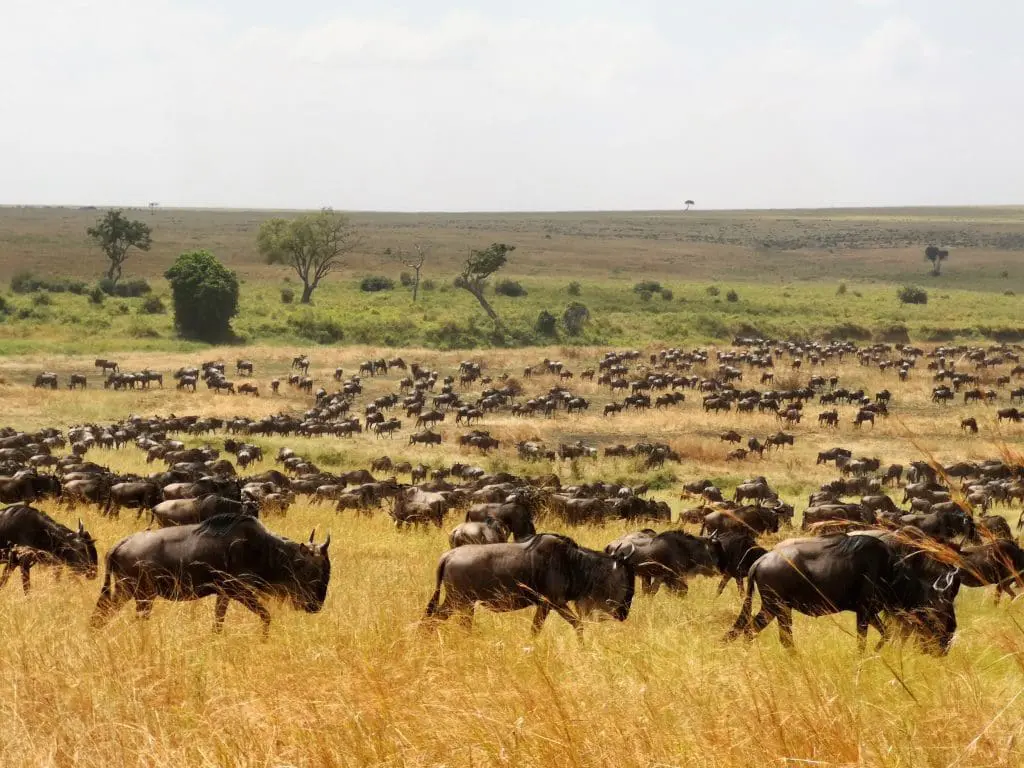
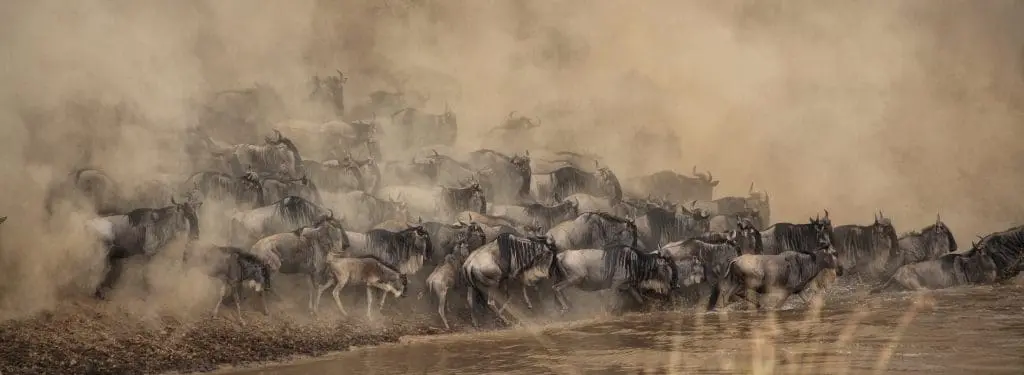
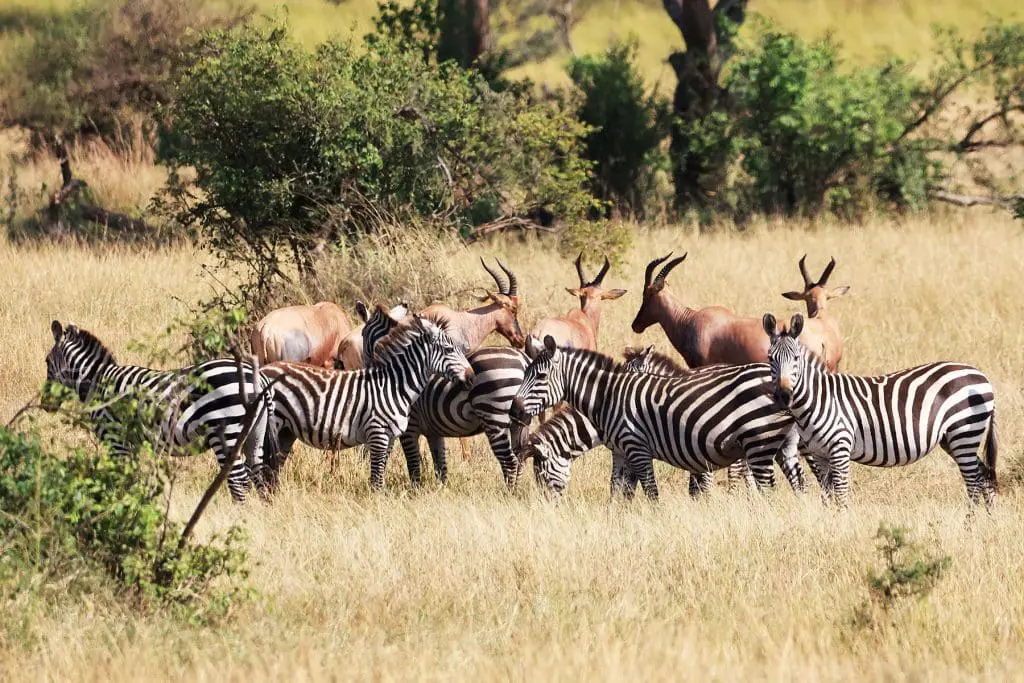
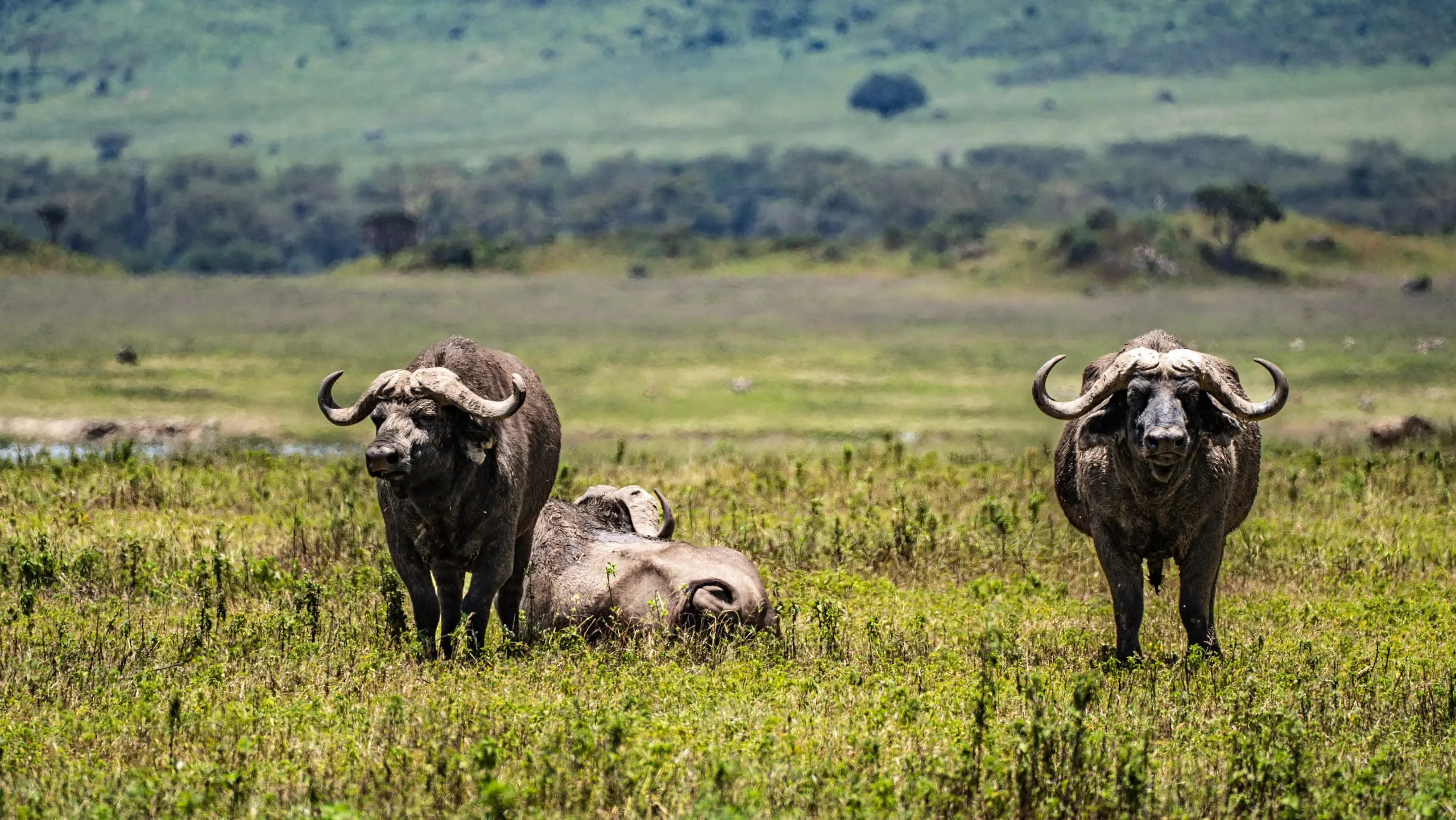
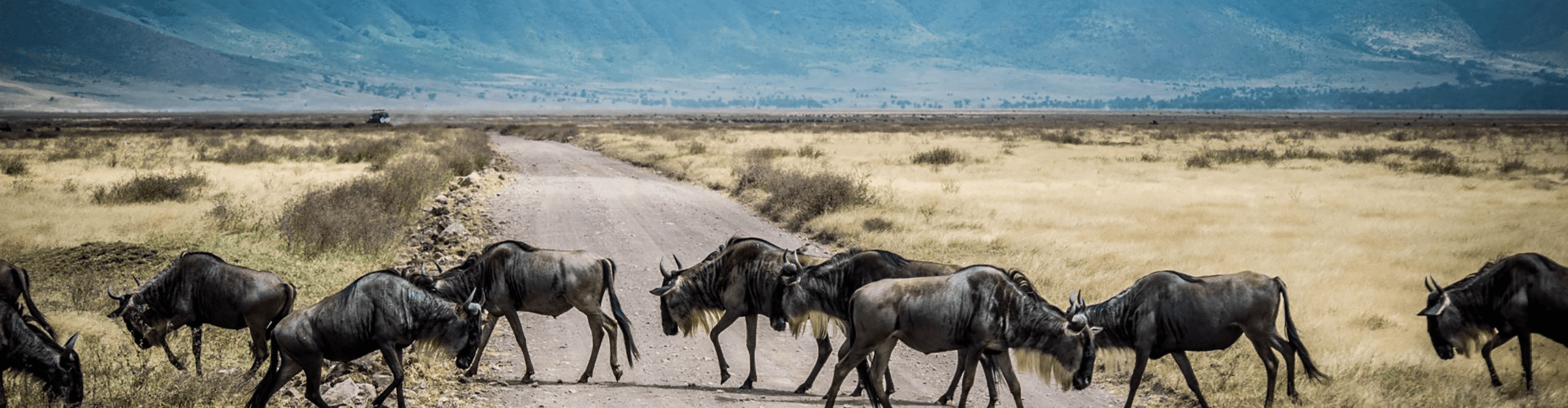
- Open grasslands: grazing areas where wildebeest, zebras, gazelles and buffaloes may be seen, with predators moving through areas where prey is present.
- Wetlands and hippo areas: swamps, springs and pools that provide water within the crater and may attract hippos and water-associated birds.
- Olduvai Gorge: an important archaeological site within the wider Conservation Area, known for discoveries that contributed to scientific understanding of early human development.
- Ndutu and the southern plains: part of the wider Ngorongoro and Serengeti ecosystem, especially relevant during periods when migratory herds use the southern plains.
- Highland landscapes: cooler, greener areas around the crater with forest, farmland, mist and changing views between Lake Manyara, Ngorongoro and Serengeti.
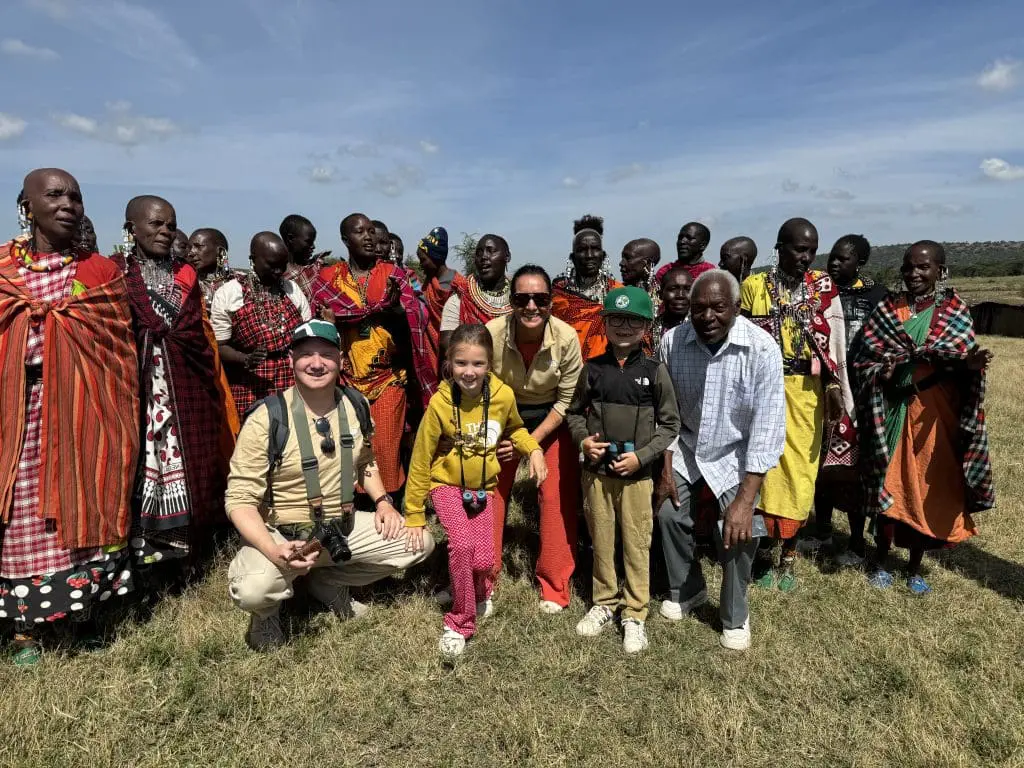
- Maasai communities: communities living in parts of the wider Conservation Area, where cultural visits should be organised respectfully and with clear expectations.
For travellers who want to understand how Ngorongoro fits into a wider safari route, it can be combined with other northern Tanzania highlights such as Lake Manyara, Serengeti National Park and Tarangire. You can also read more about the Big Five in Tanzania and how Ngorongoro contributes to a well-rounded Tanzania safari.
When is the best time to visit Ngorongoro?
Ngorongoro can be visited throughout the year. The best period depends on weather preferences, visitor numbers and the other parks included in your Tanzania itinerary.
Ngorongoro during the dry season
The main dry season generally runs from June to October. Conditions are often drier and popular northern safari routes can be busy.
The crater rim can feel cold in the early morning and evening. Warm clothing is useful before the descent.
Ngorongoro during the green season
Rain creates greener highland scenery and can produce mist around the crater rim. Rainfall varies, and showers may be followed by clear periods.
Seasonal wildlife around Ndutu
Travellers visiting Ndutu may be interested in seasonal wildebeest movement and calving activity. These events depend on rainfall and cannot be fixed to an exact date.
Read our guide to the best time to visit Tanzania when combining Ngorongoro with Serengeti and other destinations.
Not sure how Ngorongoro fits your route?
Tell us when you would like to travel and which other destinations you want to visit. We can help you decide how much time to spend in Ngorongoro and where it fits within your journey.
Request your personalised safari
How much time do you need in Ngorongoro?
Many safari routes include one crater game drive and one or two nights in the Ngorongoro area. More time may be useful when the journey also includes Oldupai Gorge, Ndutu or the highlands.
A crater game drive
A crater game drive normally forms the main part of a Ngorongoro visit. Travel from the accommodation and onward travel to the next destination affect the programme.
Ngorongoro within a northern Tanzania itinerary
Ngorongoro is often visited between Lake Manyara or Tarangire and the Serengeti. This allows travellers to move through contrasting landscapes without returning to Arusha between each park.
Travelling from Arusha to Ngorongoro
Ngorongoro is generally reached by road from Arusha as part of a northern circuit safari. Journey time depends on traffic, road conditions, stops and accommodation location.
Where to stay near Ngorongoro
Accommodation is available on the crater rim, in the surrounding highlands and near other parts of the Conservation Area. The best option depends on budget, route and how early you want to begin the crater visit.
Accommodation on the crater rim
Lodges on or close to the crater rim may provide convenient access and wide views. Their elevated position can also mean cooler mornings and evenings.
Accommodation in the highlands
Properties outside the immediate crater rim may fit routes arriving from Lake Manyara, Tarangire or Arusha. Driving time to the crater descent should be considered.
Accommodation near Ndutu
Ndutu accommodation can suit seasonal itineraries focused on the southern Serengeti ecosystem. These locations serve a different part of the journey from accommodation near the crater.
Browse our Tanzania safari accommodations or ask our team which location fits your route.
Practical information for visiting Ngorongoro
Ngorongoro requires careful planning because of its altitude, protected status and position within the northern safari circuit. Your final itinerary should reflect current access rules and operational conditions.
Temperatures at the crater rim
The crater rim can feel cold, particularly in the early morning, evening and wetter periods. Conditions on the crater floor may become warmer, so layers are practical.
Protected area rules
Visitors must follow the current rules of the Conservation Area. Wildlife must not be disturbed or fed, and natural or archaeological material must remain in place.
What to bring on a crater safari
Useful items to bring on a crater safari:
- warm layers
- sun protection
- drinking water
- binoculars
- camera.
Packing advice should always reflect the season and the full journey.
Why visit Ngorongoro with Shemeji Safari?
Shemeji Safari is a Dutch and Tanzanian family business based in Arusha. We look at how Ngorongoro fits within your complete journey rather than treating the crater as an isolated stop.
A route that fits your available time
We consider dates, driving distances and the destinations you want to combine before suggesting how much time to spend in Ngorongoro.
Private safaris with experienced guides
A private safari gives your group more control over the pace of the journey. Your guide can explain the landscape, wildlife and local conditions while following the confirmed route.
Support throughout your journey
Before departure, we provide information connected to your route, accommodation and travel period. During the safari, your guide and the local team support the agreed arrangements.
What travellers say about Ngorongoro
Traveller reviews highlight the crater landscape, the knowledge of the guides and the care taken when combining Ngorongoro with a wider Tanzania itinerary.
“Ngorongoro with its Maasai villages and incredible crater.”
Donatella S Tripadvisor, September 2025
Read verified reviews on Tripadvisor
Start planning your Ngorongoro safari
Tell us when you would like to travel, who you are travelling with and which destinations you want to combine. We will use your preferences to prepare a personal Tanzania safari proposal.
Highlights and FAQ
The difference between Ngorongoro Crater and Ngorongoro Conservation Area is their size and scope. The crater is a volcanic caldera within the larger Conservation Area, which also includes highlands, plains, archaeological sites, wildlife habitats and areas where Maasai communities live.
Ngorongoro Crater is worth visiting for travellers who want to experience wildlife within a dramatic and relatively compact volcanic landscape. It provides a different safari experience from the larger Serengeti ecosystem.
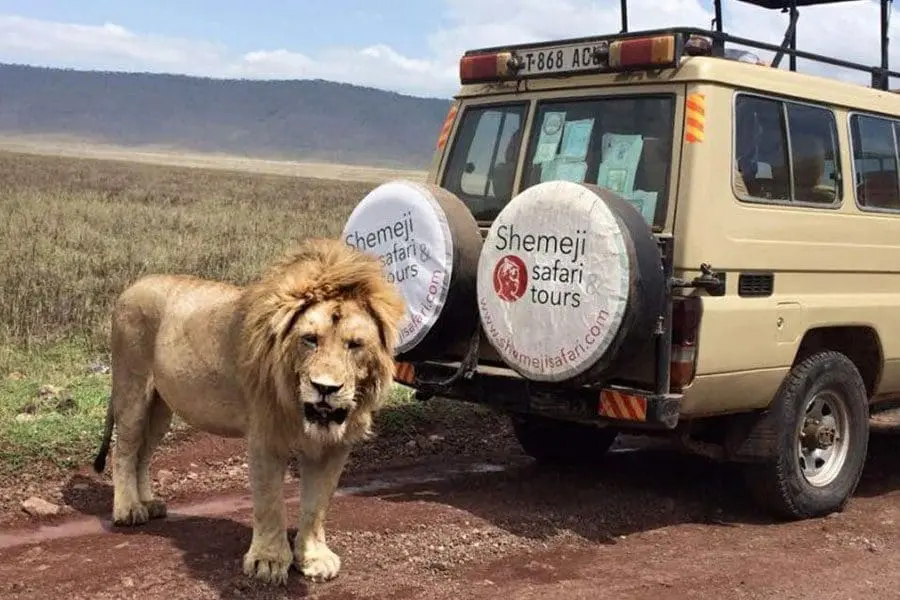
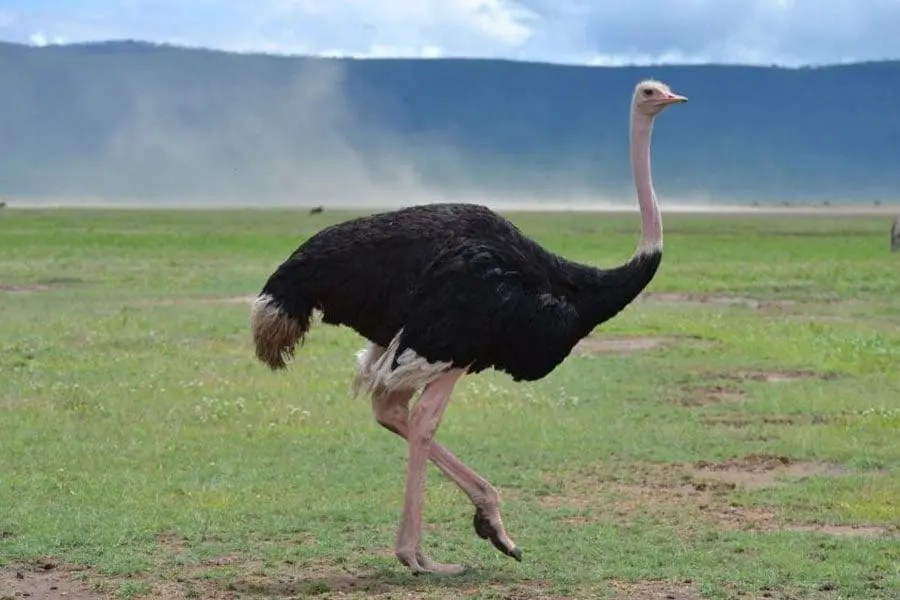
Animals in Ngorongoro Crater may include wildebeest, zebras, gazelles, buffaloes, elephants, hippos, lions, hyenas and black rhinoceroses. The crater also supports many bird species. Individual sightings cannot be guaranteed.
Several Big Five species may be seen in the Ngorongoro area, including lions, elephants, buffaloes and black rhinoceroses. Leopards are present in the wider region but are elusive and less commonly seen during a standard crater game drive.
The best time to visit Ngorongoro Crater depends on your weather preferences and wider safari route. The crater can be visited throughout the year, although the dry and green seasons provide different landscapes, temperatures and visitor levels.
Many itineraries include one crater game drive and one or two nights in the Ngorongoro area. More time may suit routes that also include Oldupai Gorge, Ndutu or other parts of the Conservation Area.
Ngorongoro can be combined with Serengeti National Park in one northern Tanzania safari. The destinations are commonly connected by road and provide contrasting landscapes and game drive experiences.
Ngorongoro can be suitable for a family safari because the crater provides a concentrated game drive within a defined area. Suitability still depends on the children’s ages, total driving time, accommodation and the pace of the wider journey.
Shemeji Safari can create a personalised Ngorongoro safari based on your travel dates, group composition, available time, accommodation preferences and other destinations. Share these details through the request form to receive a suitable proposal.