



Welcome to
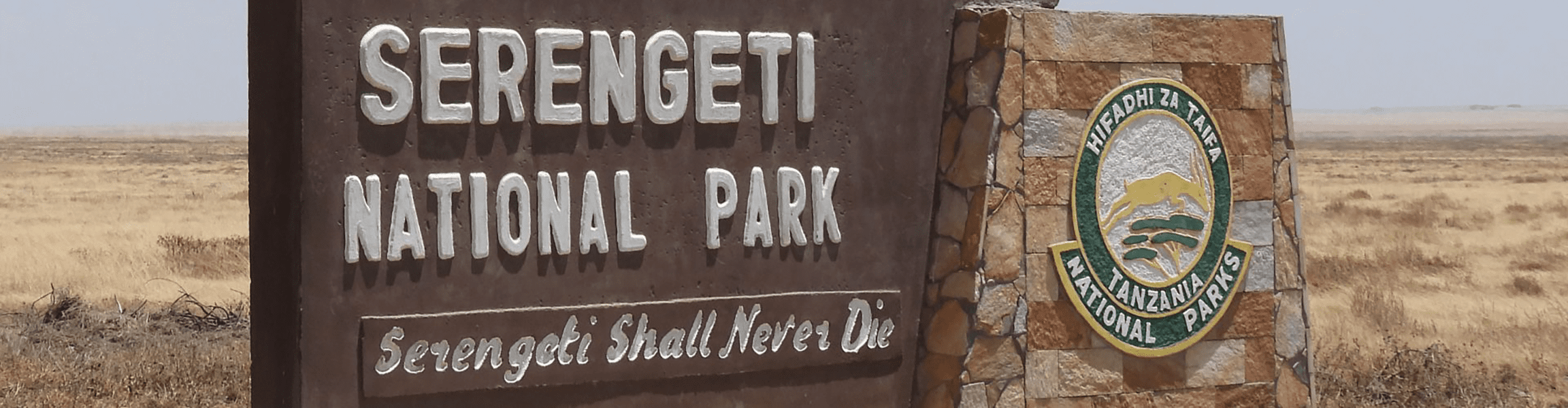
Serengeti National Park
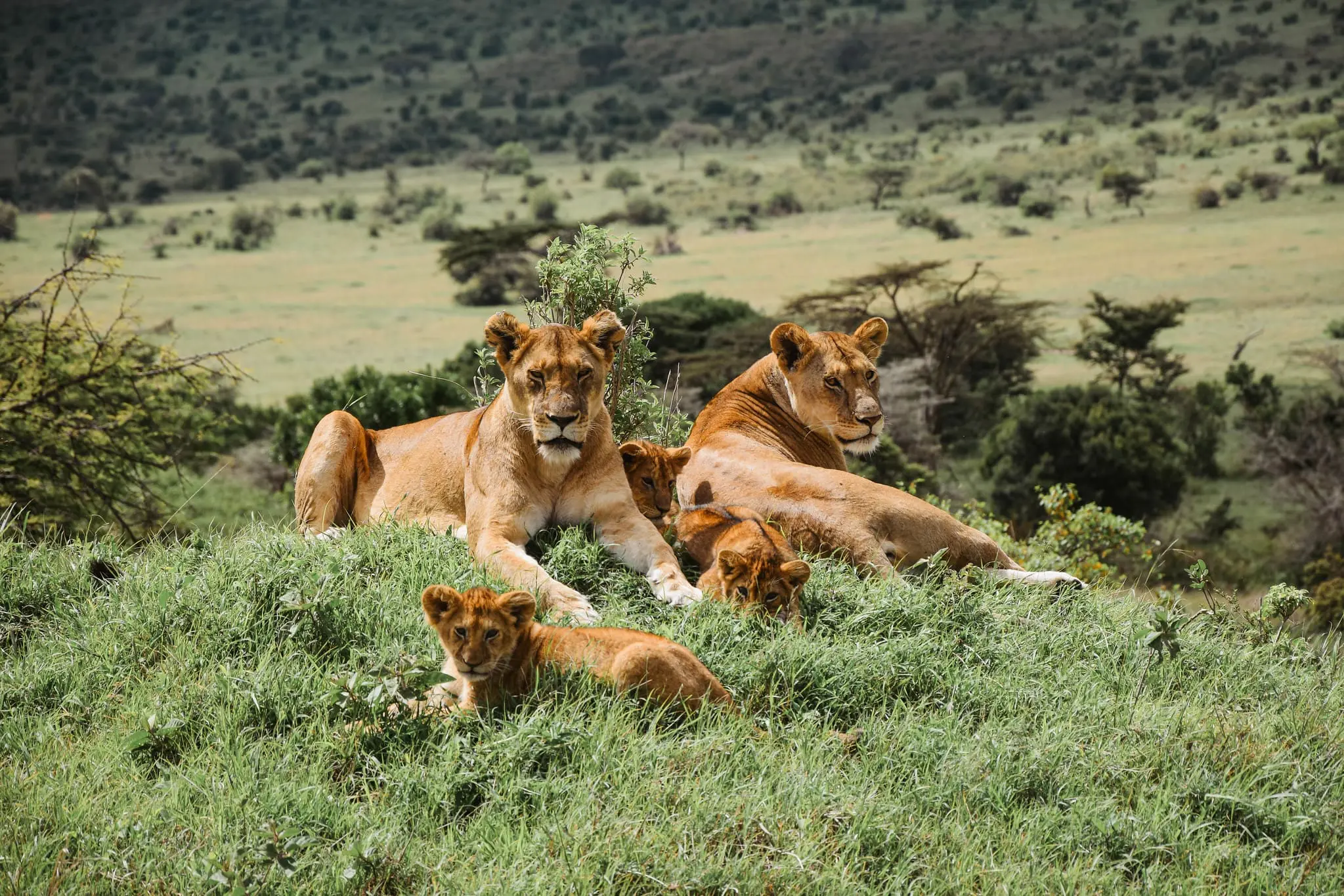
Serengeti National Park is one of the most iconic safari destinations in Africa. Its endless plains, golden light and rich wildlife create the kind of landscape many travellers imagine when they dream of Tanzania. Here, lions rest in the grass, elephants move across open savannahs and seasonal herds follow ancient migration routes through one of the world’s most remarkable ecosystems. Shemeji Safari creates personal Serengeti safaris based on your travel dates, interests, preferred comfort and available time, helping you experience this legendary park in a way that feels personal, well planned and unforgettable.
Plan your Serengeti safari with local experts
A Serengeti safari should fit the way you want to travel. The season, park region, accommodation and time available all influence the route. Our team in Arusha brings these choices together in one personal itinerary.
A route based on your travel plans
We consider your travel dates, group size, preferred pace and accommodation style before suggesting a route. Some travellers spend several days exploring different parts of the park. Others include the Serengeti within a wider journey through northern Tanzania.
View our Tanzania safari packages for inspiration. Each itinerary can be adapted around your personal plans.
Combine Serengeti with northern Tanzania
Serengeti National Park is often combined with Ngorongoro Conservation Area , Tarangire National Park or Lake Manyara National Park. We consider driving distances, accommodation locations and time for game drives when arranging the order of these destinations.
Explore the possibilities for a personal Tanzania safari and tell us which landscapes, animals and experiences matter most to you.
Receive a personal safari proposal
Share your preferred travel period, number of travellers, holiday length and the destinations you already want to include. We will use this information to prepare a Serengeti safari proposal that suits your journey.
Request your personalised safari
Why visit Serengeti National Park?
Serengeti National Park is known for its broad savannahs, varied wildlife and central role within the wider Serengeti ecosystem. Visitors may encounter grazing herds, big cats, elephants, giraffes and many bird species. Each region offers a different view of the landscape and its wildlife.
Wildlife across open plains
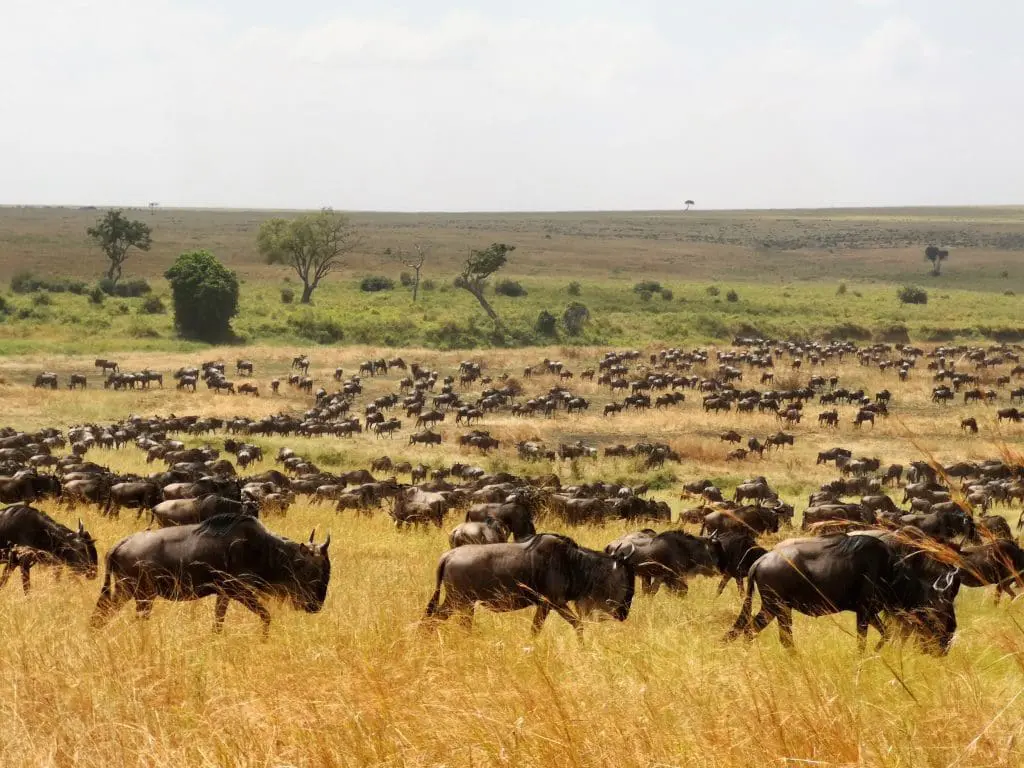
Open grasslands are one of the Serengeti’s defining features. From the safari vehicle, the landscape can appear to continue far beyond the horizon. Grazing animals move across the plains while predators watch from grass, trees and rocky kopjes.
Acacia woodland, river valleys and denser vegetation add variety to the experience. Wildlife remains free to move, which means every game drive develops differently.
Different regions offer different experiences
The southern plains, central valleys, western corridor and northern landscapes each have their own character. Season, driving time and accommodation location influence which part of the park best fits your itinerary.
Part of a northern Tanzania safari
Serengeti is one of the main destinations on Tanzania’s northern safari circuit. Many travellers combine the park with Ngorongoro because the two areas offer contrasting landscapes and different types of game drive.
Serengeti safari experiences
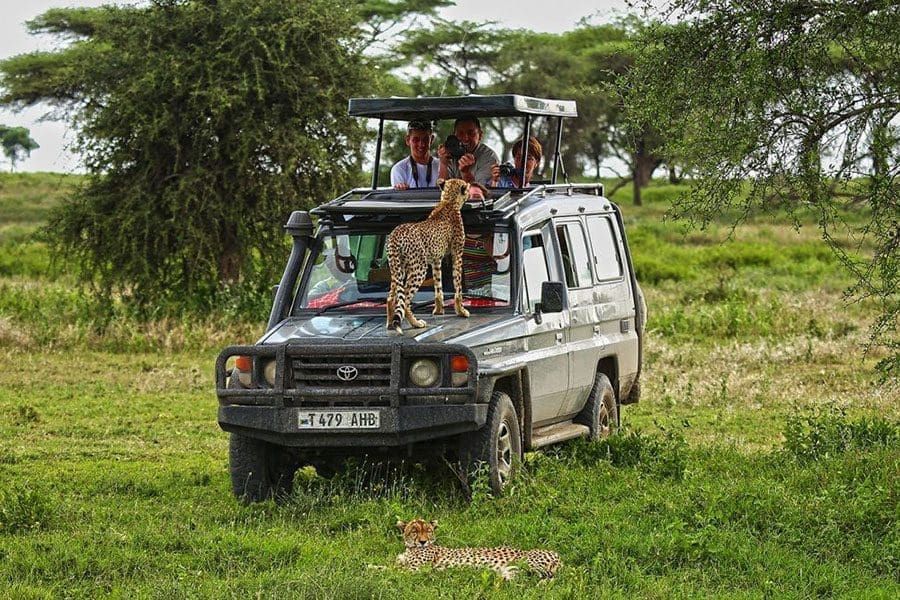
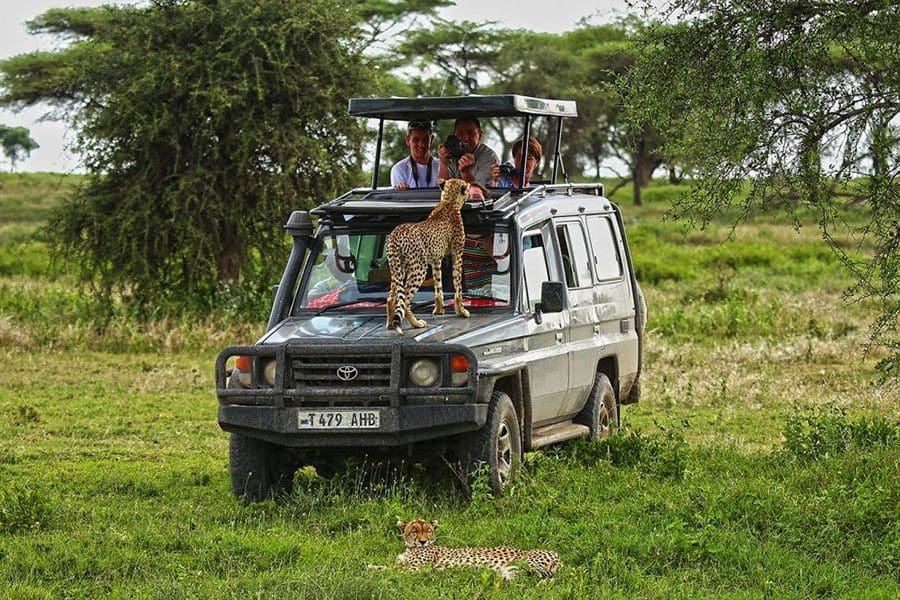
Game drives are at the centre of most Serengeti visits. Each drive gives you an opportunity to explore another habitat, follow signs of animal activity and understand how wildlife responds to changing conditions.
Game drives in Serengeti National Park
Your guide uses knowledge of the park, recent animal movement and local conditions to select the route. Early mornings and later afternoons can provide pleasant temperatures and active wildlife. Longer daytime drives make it possible to connect different parts of the park.
The experience is not limited to reaching one famous sighting. Tracks, calls, behaviour and changes in the landscape all help tell the wider story of the Serengeti.
Wildlife and predator sightings
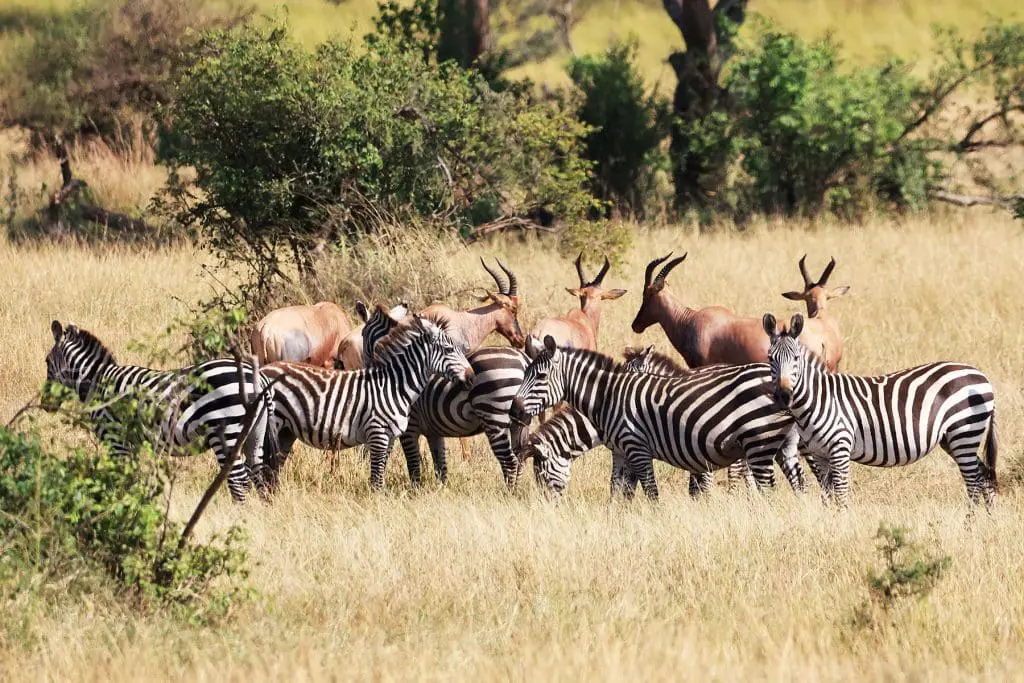
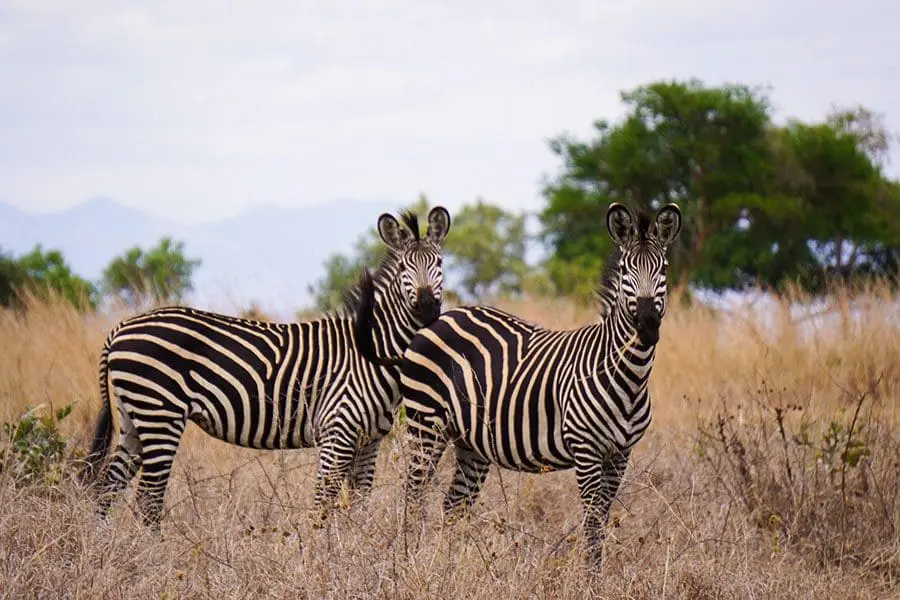
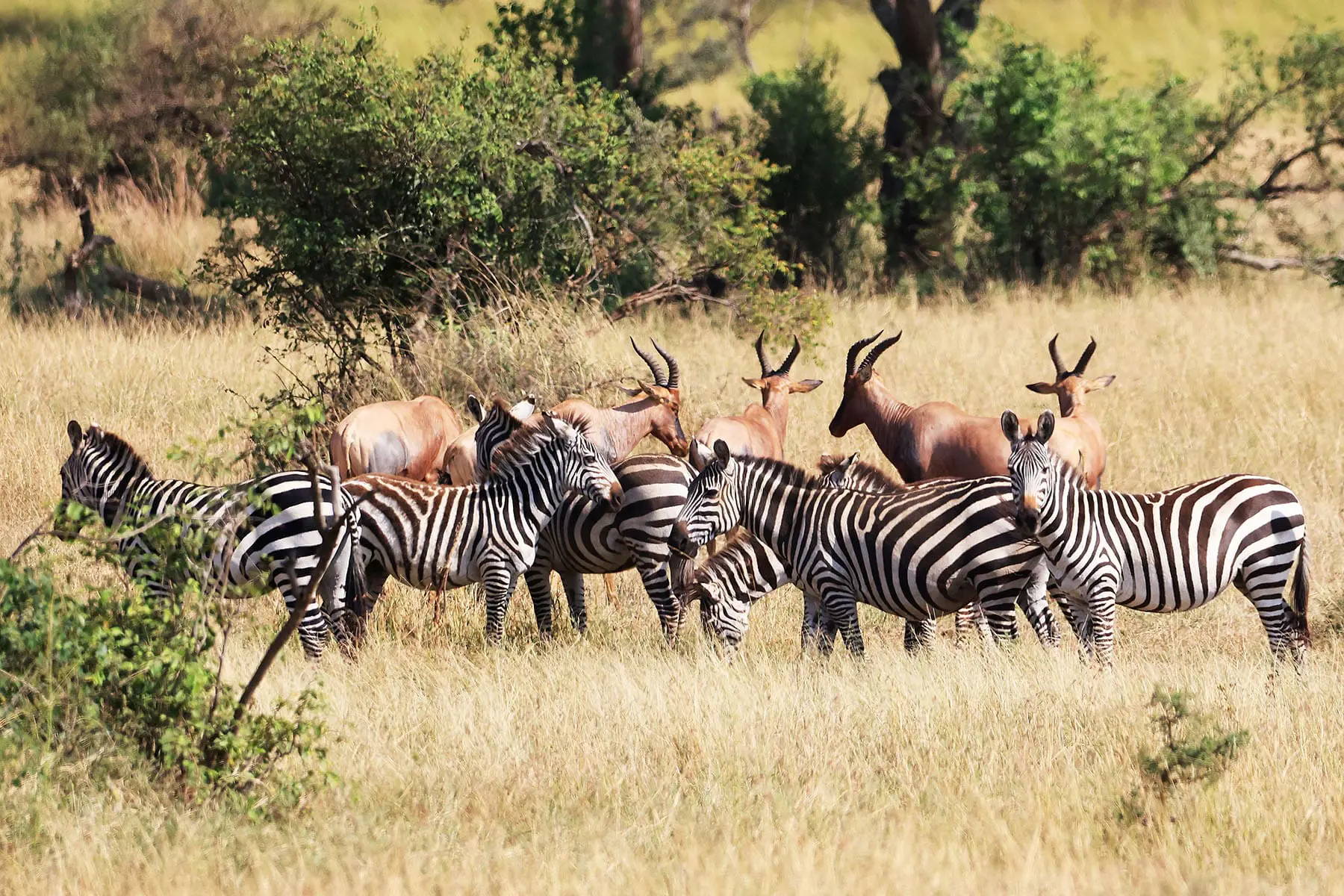
Serengeti National Park is home to wildebeest, zebras, gazelles, giraffes, buffaloes, elephants and many other herbivores. Lions, cheetahs, leopards and hyenas are among the predators found within the ecosystem.
Sightings depend on habitat, weather, time of day and natural animal movement. No individual species or encounter can be guaranteed.
The Great Migration in the Serengeti ecosystem
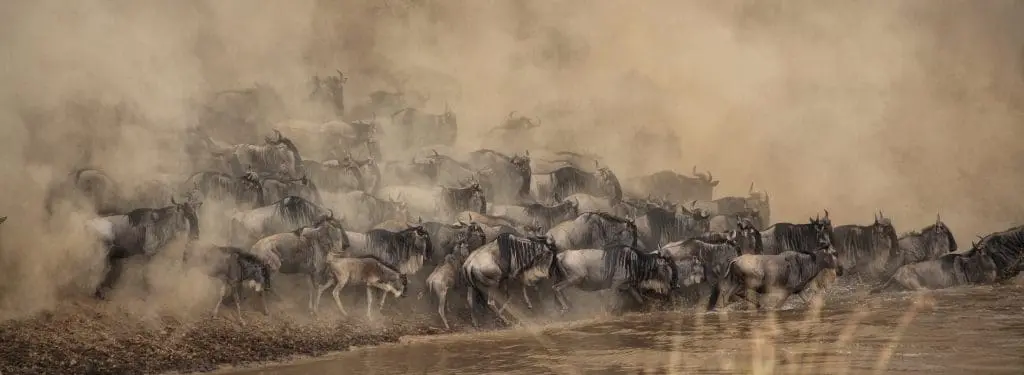
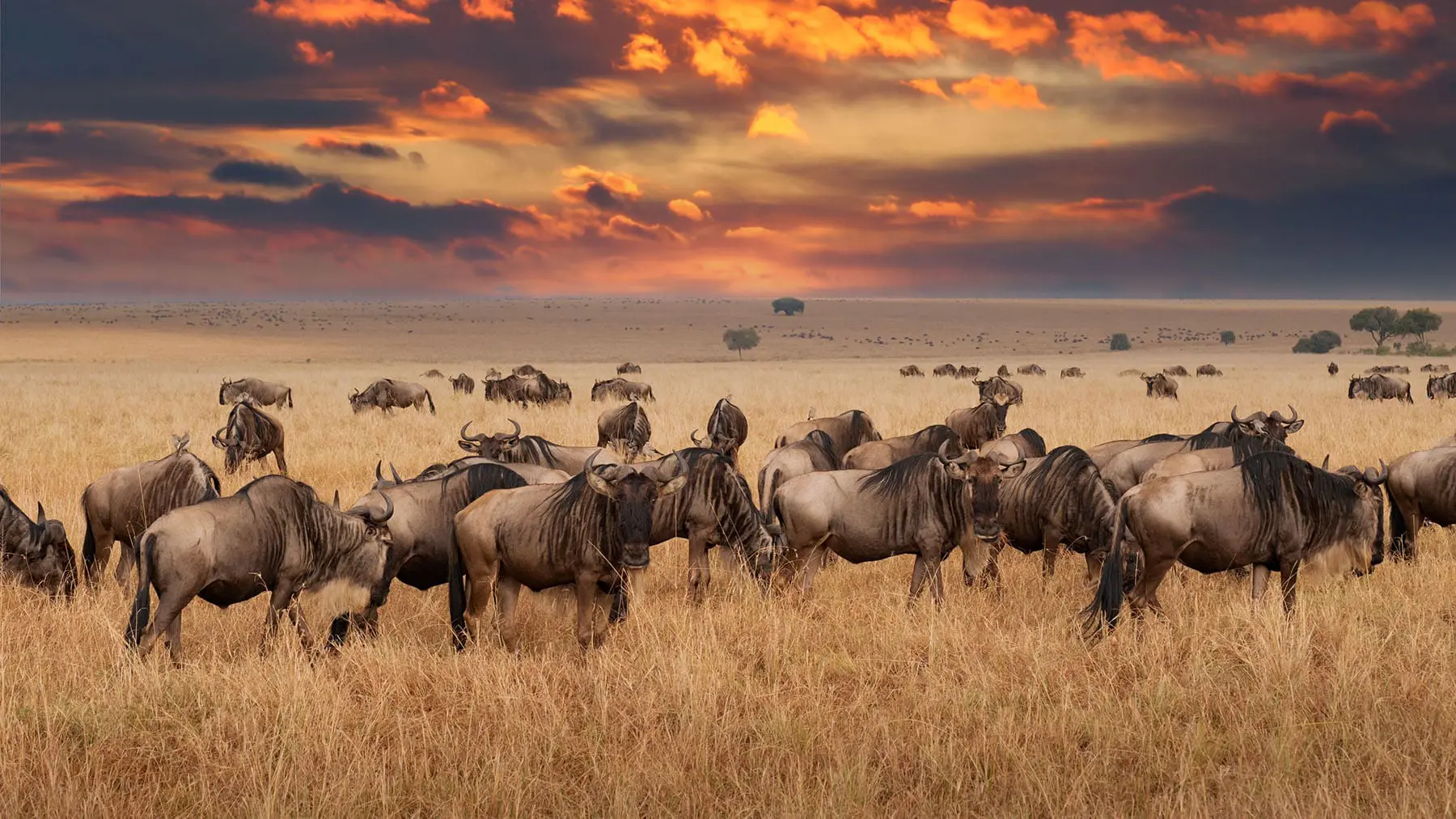
The Great Migration is the continuous movement of wildebeest, zebras and gazelles through the Serengeti and Mara ecosystem in search of water and fresh grazing. The herds do not remain in one fixed location. Rainfall and grass conditions influence where they move.
A migration focused itinerary is therefore planned around an expected region rather than a guaranteed event. River crossings, calving activity and other individual moments cannot be predicted with certainty.
Read our guide explaining what the Great Migration is and how the annual cycle develops.
You can also explore our Great Migration safari information when this natural movement is a priority for your journey.
Which part of Serengeti should you visit?
The best area of Serengeti depends on your travel period, route and wildlife interests. Central Serengeti fits many itineraries, while the southern, western and northern regions may become more relevant during particular stages of seasonal wildlife movement.
Southern Serengeti
The southern Serengeti is known for broad open plains. During periods of fresh grazing, large herds may move through the wider southern ecosystem, including areas around Ndutu. This region is often considered during the first part of the year.
Central Serengeti
Central Serengeti, including the Seronera area, appears in many safari routes because of its position and varied habitats. Plains, river valleys and kopjes support wildlife throughout the year.
Western Serengeti
The western corridor follows the direction of the Grumeti River and has a different character from the southern plains. It may suit routes that connect to the western side of the ecosystem.
Northern Serengeti
Northern Serengeti has rolling landscapes, woodland and river systems near the Kenyan border. It is often considered during the later dry season, although the exact location of migratory herds remains unpredictable.
Serengeti wildlife
Serengeti wildlife includes far more than the migrating herds. Resident animals live across grasslands, woodland, river valleys and rocky areas. Looking at behaviour and the relationships between species adds depth to every game drive.
Big cats in the Serengeti
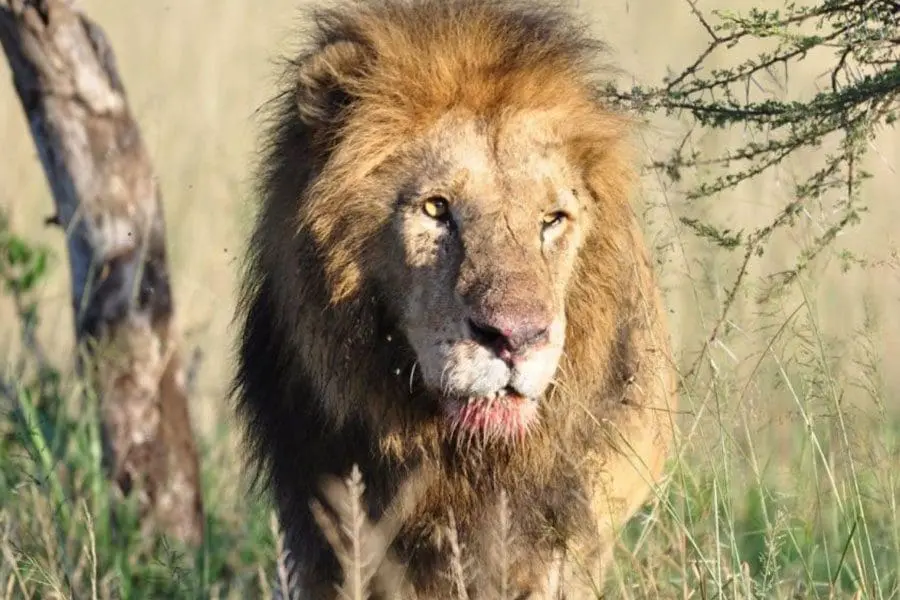
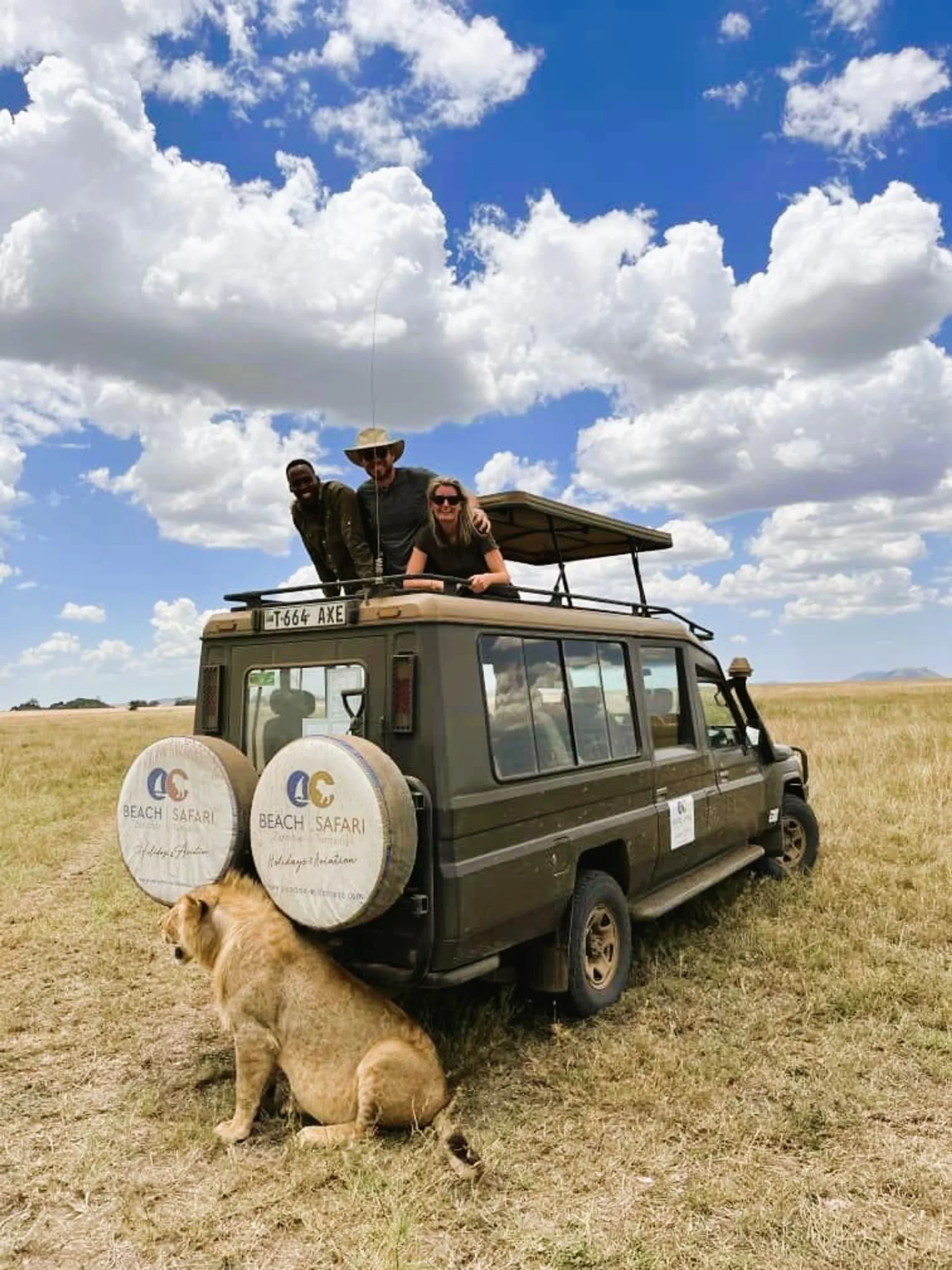
Lions are among the best known Serengeti predators. Cheetahs are often associated with open terrain, while leopards may be found around trees, riverine vegetation and rocky areas.
Several animals associated with the Big Five in Tanzania live in or move through the wider ecosystem.
Grazing animals and large herds
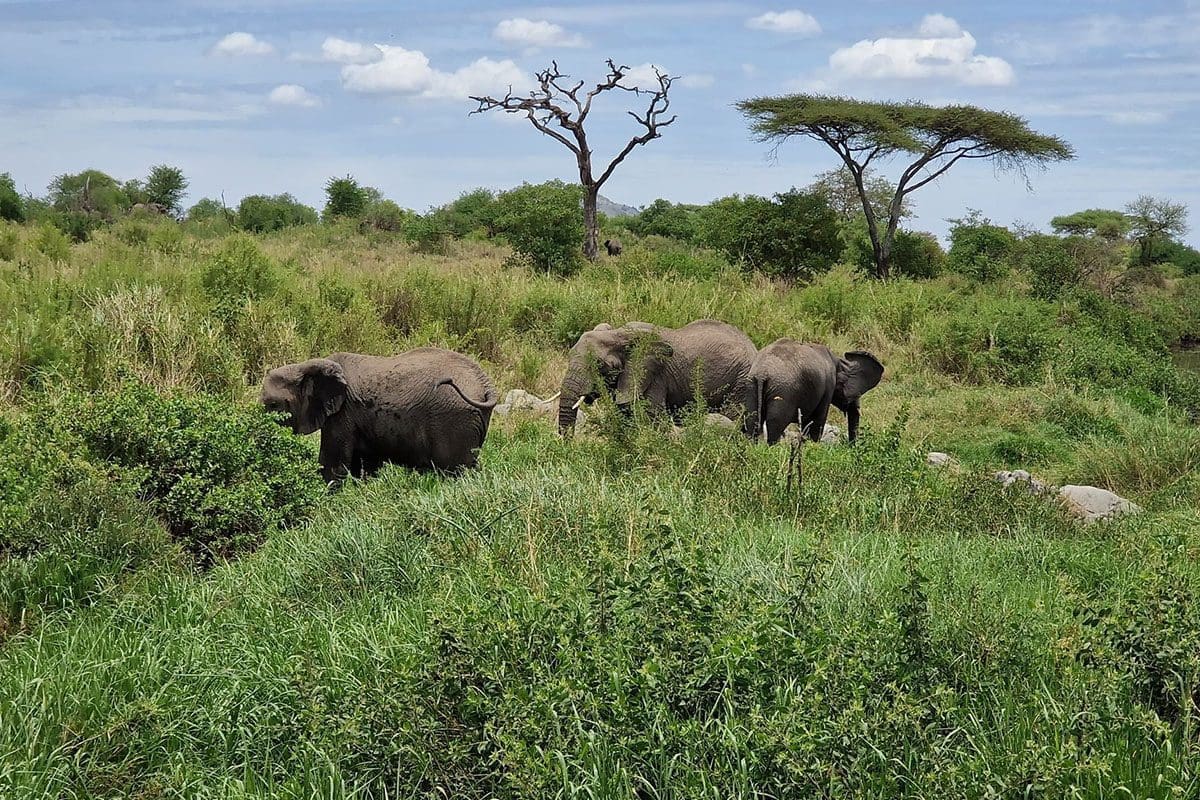
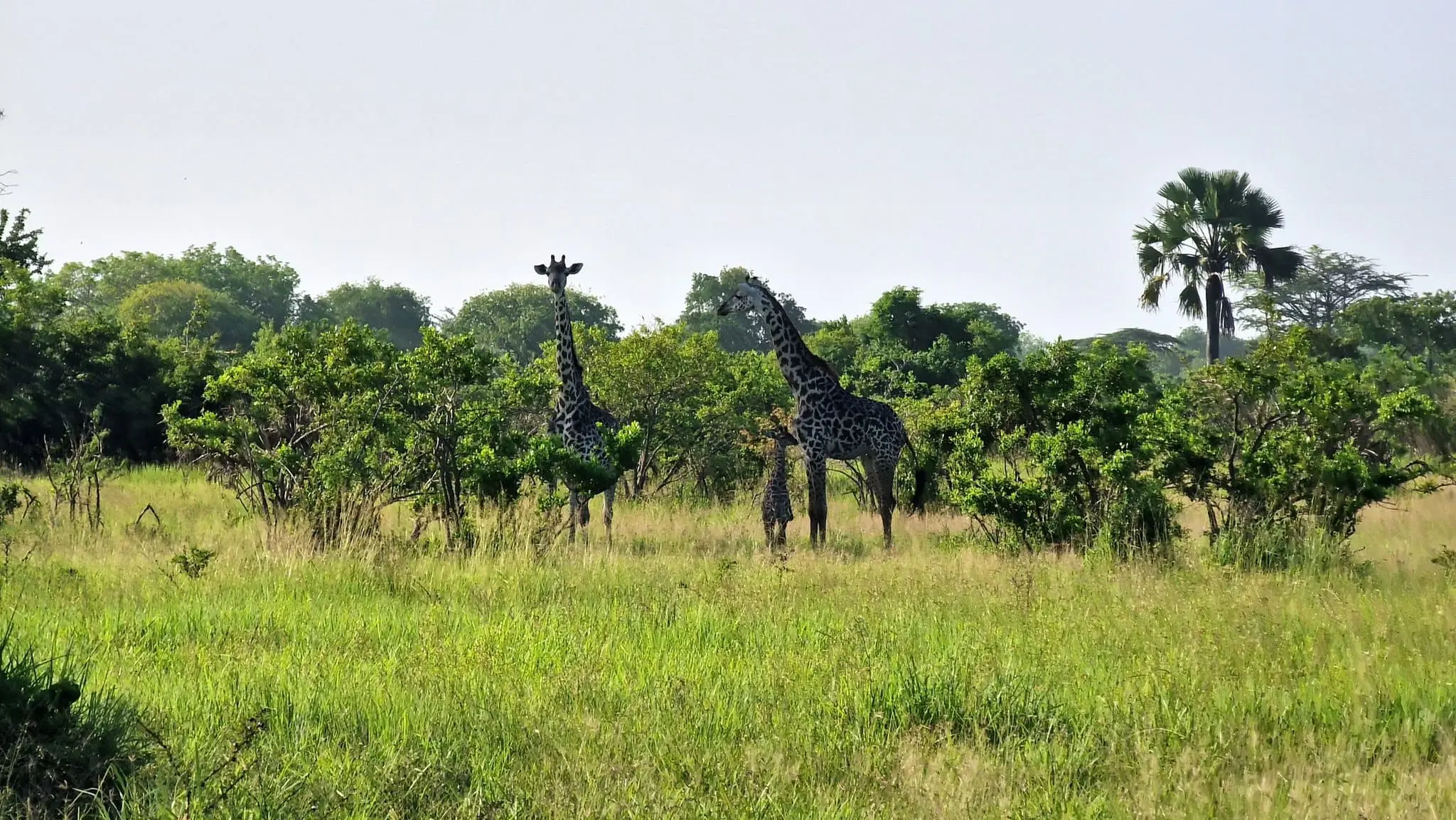
Wildebeest, zebras, gazelles and other antelope species form an important part of the Serengeti ecosystem. Giraffes, buffaloes and elephants may also be encountered in suitable habitats.
Birds and smaller wildlife
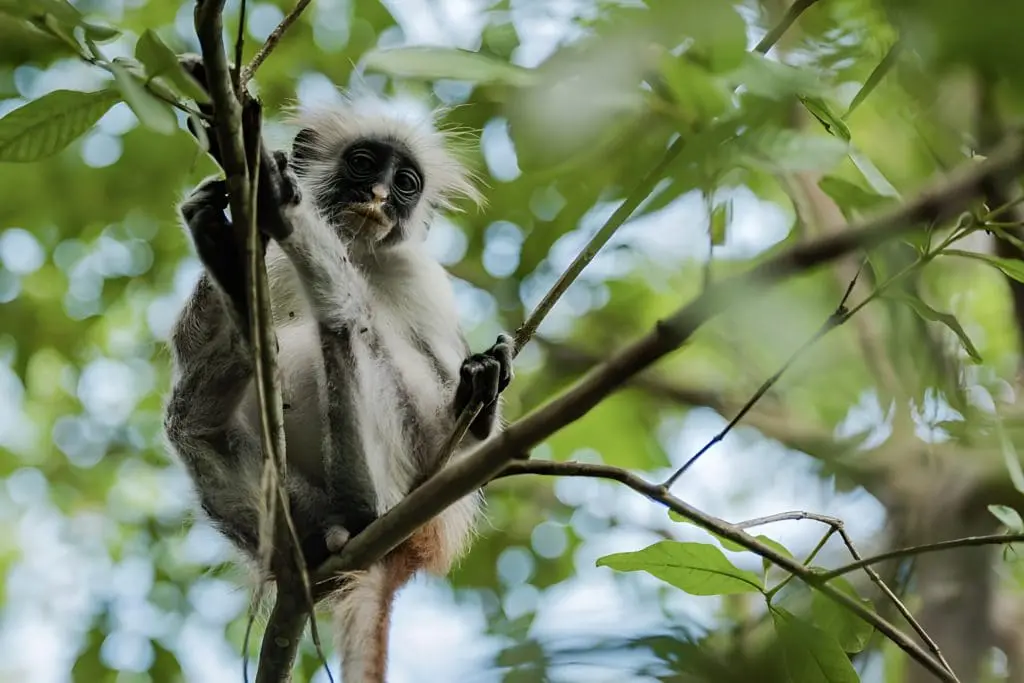
Raptors, ground birds, water associated species and smaller woodland birds occupy different parts of the park. Reptiles, insects and smaller mammals also contribute to the balance of the ecosystem.
When is the best time to visit Serengeti National Park?
Serengeti National Park can be visited throughout the year. The best period depends on the region you want to explore, your preferences for weather and visitor numbers, and whether seasonal herd movement is a priority.
Serengeti during the dry season
The main dry season generally runs from June to October. Vegetation becomes less dense in many areas and animals may gather near remaining water sources. Popular locations and accommodations can also be busier.
Mornings and evenings can feel cool, particularly during game drives in an open vehicle. Warm layers are useful.
Serengeti during the green season
Rain brings fresh growth, greener landscapes and dramatic skies. Conditions vary by month and location. Showers may be followed by clear periods, although some roads can become more difficult after heavy rainfall.
Choosing a season for the Great Migration
Travellers hoping to see migratory herds should choose both a suitable period and a suitable part of the ecosystem. Rainfall can change the timing of animal movement, so no exact location or event can be promised.
Read more about the best time to visit Tanzania when planning the rest of your journey.
Not sure when or where to travel?
Tell us what you hope to experience. We can help you choose a Serengeti region, travel period, accommodation style and route that fit your plans.
Request your personalised safari
How many days do you need in Serengeti?
Many itineraries include at least two or three nights in the Serengeti. The right duration depends on your transport, accommodation location and the area you want to explore. More time allows you to visit different habitats without rushing.
Serengeti within a northern Tanzania itinerary
A shorter northern circuit may focus on central Serengeti and Ngorongoro. A longer journey can include additional Serengeti regions, Tarangire, Lake Manyara or time on Zanzibar.
Driving or flying to the Serengeti
Serengeti can be reached by road from Arusha as part of a northern safari or by domestic flight to an airstrip serving the relevant region. Driving makes it possible to include other parks along the route. Flying can reduce travel time.
Where to stay in the Serengeti
Accommodation in and around the Serengeti ranges from tented camps to permanent lodges. The best choice depends on region, season, budget and preferred comfort.
Lodges and tented camps
Permanent lodges provide established facilities in a fixed location. Tented camps offer a closer connection to the landscape while still providing organised hospitality and private facilities where these are included.
Choosing accommodation by location
Staying near the area you plan to explore can reduce driving time and create more time for game drives.
Browse our Tanzania and Zanzibar accommodations or ask our team which options fit your Serengeti route.
Why travel to Serengeti with Shemeji Safari?
Shemeji Safari is a Dutch and Tanzanian family business based in Arusha. We create personal journeys with a local team that understands the routes, distances and practical choices involved in a northern Tanzania safari.
Personal itinerary planning
We begin with your dates, group composition, available time and interests. Your proposal can be adjusted before the journey is confirmed, giving you room to discuss priorities and make informed choices.
Private safaris with experienced guides
A private safari gives your group more control over the pace of the journey. Your guide can explain animal behaviour, tracks, habitats and seasonal patterns while following the confirmed route.
Support throughout your journey
Before departure, we provide information relevant to your confirmed itinerary. During the safari, your guide and the local team support the agreed travel arrangements.
What travellers say about their Serengeti safari
Travellers regularly mention the scale of the Serengeti, the knowledge of their guides and the support provided throughout their journey.
“The vastness of the Serengeti was truly amazing.”
debra c Tripadvisor, February 2026
Read verified reviews on Tripadvisor
Start planning your Serengeti safari
Tell us when you would like to travel, who you are travelling with and what you hope to experience. We will use your preferences to prepare a personal Tanzania safari proposal.
Highlights and FAQ
Serengeti National Park is famous for its extensive savannahs, varied wildlife, predator populations and its role in the Great Migration. The park also contains grasslands, woodland, rivers and rocky kopjes.
Serengeti National Park is worth visiting for travellers who want a broad wildlife experience in one of Tanzania’s largest protected landscapes. Its size and variety suit first time safari travellers and returning visitors.
Animals in Serengeti National Park include wildebeest, zebras, gazelles, giraffes, buffaloes, elephants, lions, cheetahs, leopards and hyenas. The park also supports many bird species and smaller animals. Individual sightings cannot be guaranteed.
The best time to visit Serengeti National Park depends on the region and experience you prefer. The dry season is popular for general wildlife viewing, while greener months provide fresh landscapes, birdlife and seasonal activity in the southern ecosystem.
Many travellers spend at least two or three nights in Serengeti. A longer stay may suit routes that include several park regions. The ideal duration depends on transport, accommodation and the other destinations in your itinerary.
Serengeti can be combined with Ngorongoro Crater as part of a northern Tanzania safari. The destinations provide contrasting landscapes and can be connected in one overland itinerary.
Shemeji Safari can create a personalised Serengeti safari based on your dates, holiday length, group composition, preferred comfort and wildlife interests. Share these details through the request form to receive a suitable proposal.