



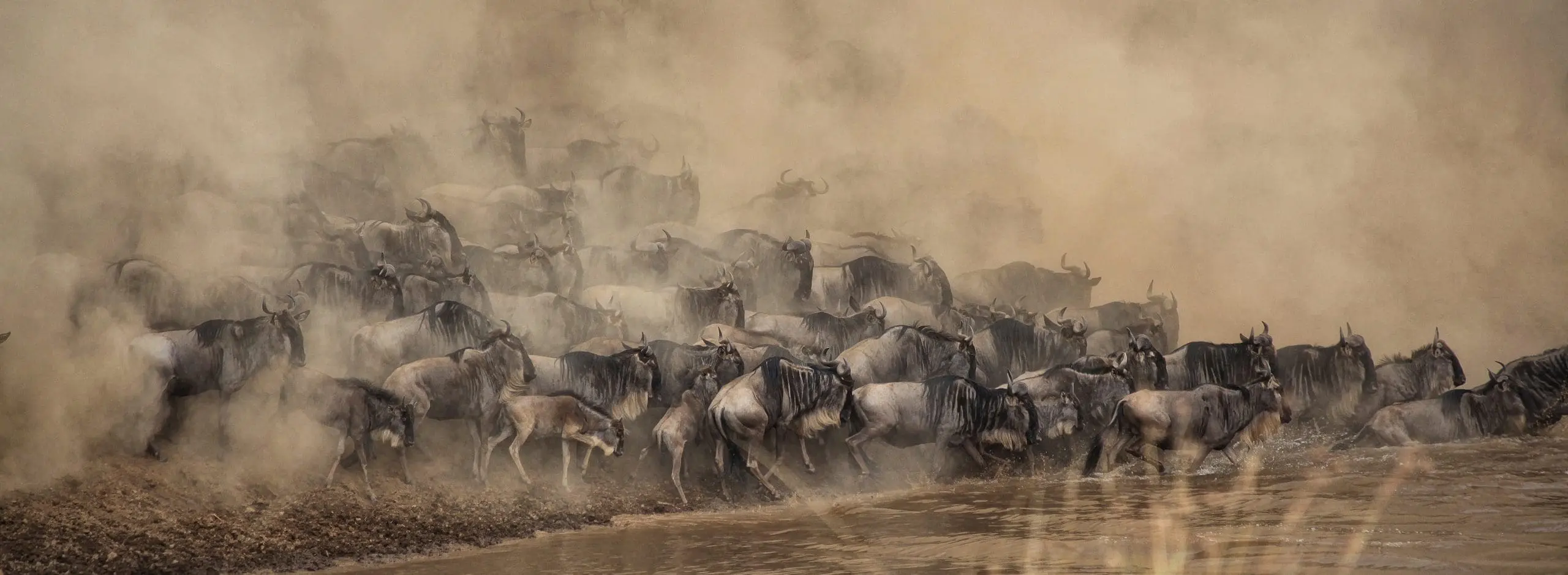
What is the Great Migration? The wildebeest migration explained
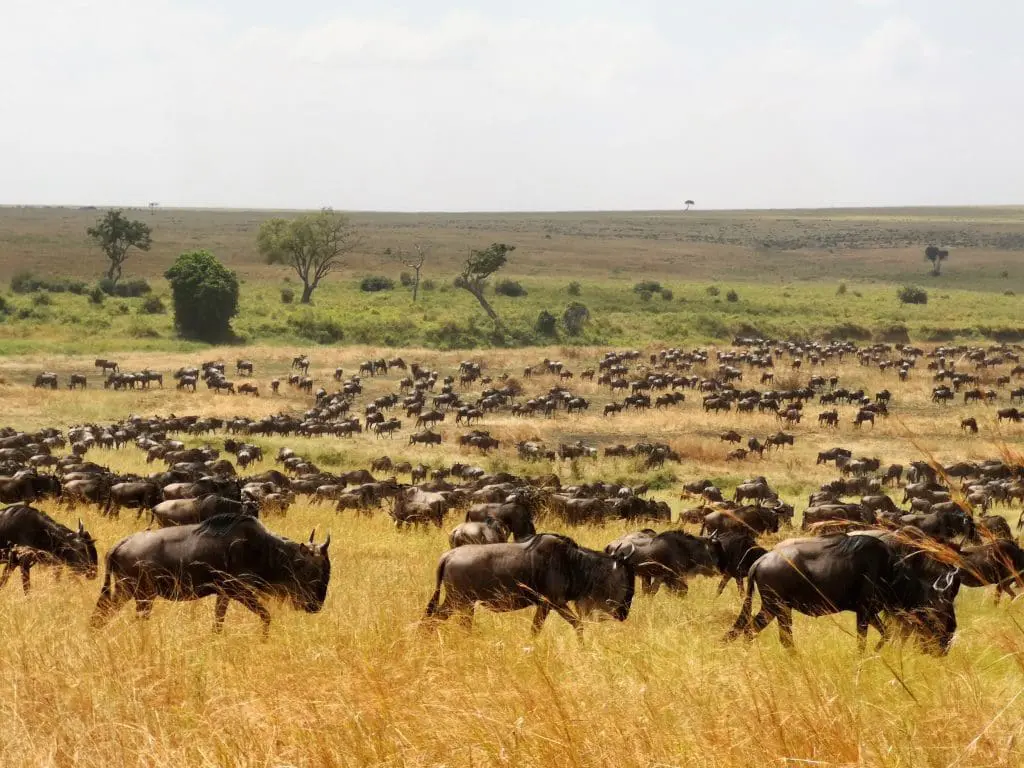
The Great Migration is the continuous movement of huge herds of wildebeest, zebras and gazelles through the Serengeti Mara ecosystem in Tanzania and Kenya. The animals follow fresh grazing and water, which means rainfall plays a major role in determining where the herds move. The migration takes place throughout the year, with different stages unfolding across the Serengeti and Maasai Mara.
River crossings may be the most famous images of the Great Migration, but they are only one part of a much larger natural cycle. Calving, grazing, rainfall and the movement between different areas of Serengeti National Park are all part of the same annual journey.
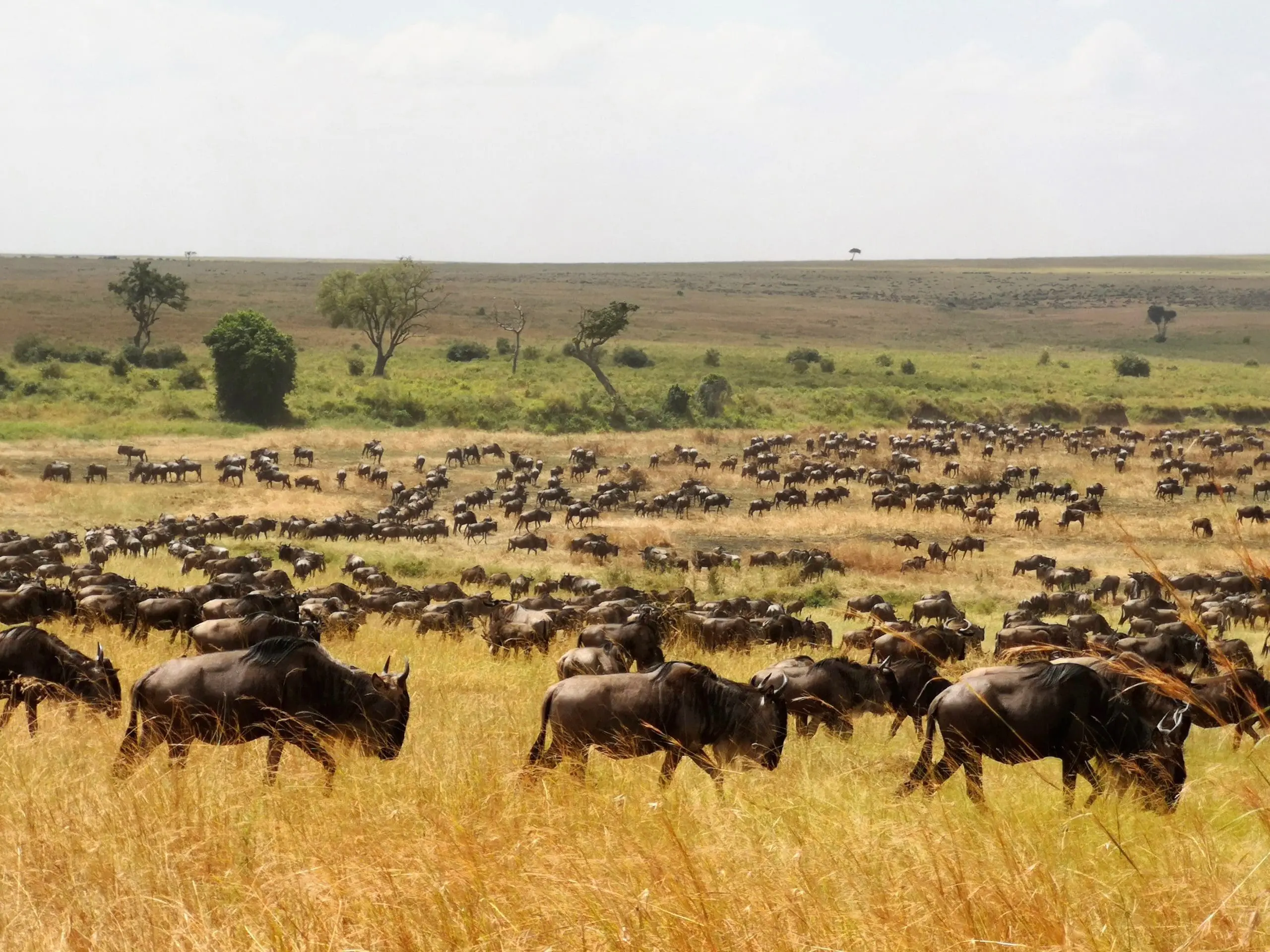
What is the Great Migration?
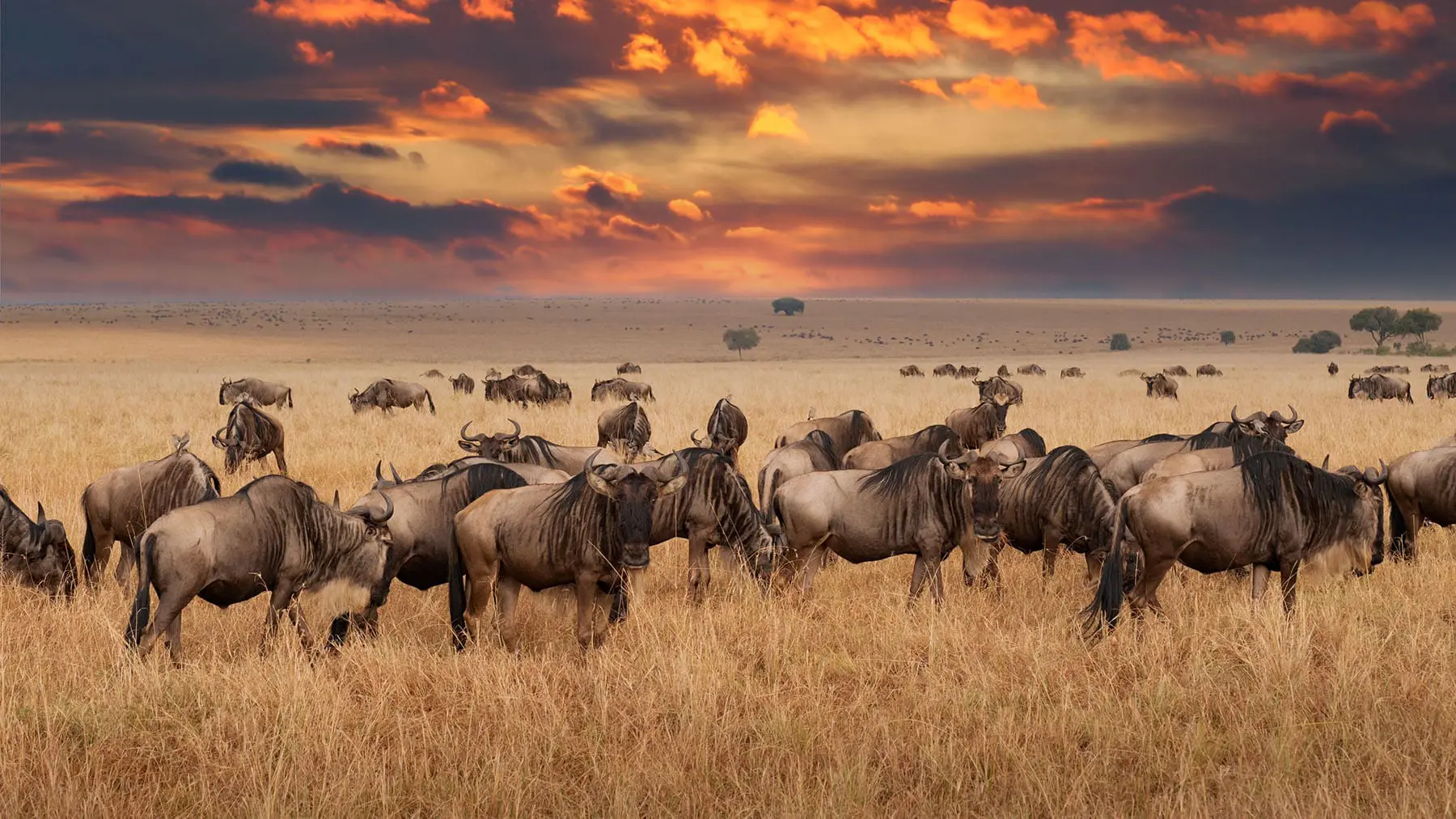
The Great Migration is one of the largest remaining animal migrations in the world. More than one million wildebeest take part, together with hundreds of thousands of zebras, gazelles and other grazing animals. They move through the wider Serengeti Mara ecosystem in search of pasture and water.
UNESCO describes the migration as an annual circular trek of around 1,000 kilometres across Tanzania and Kenya. The animals do not travel as one single herd throughout the year. Instead, groups can spread across large areas of the ecosystem depending on rainfall, grass growth and access to water.
The constant movement also attracts predators. Lions, cheetahs and hyenas take advantage of the large concentrations of prey, while crocodiles become a major danger when herds cross rivers. This interaction between migrating herbivores and predators is an important part of the Serengeti ecosystem.
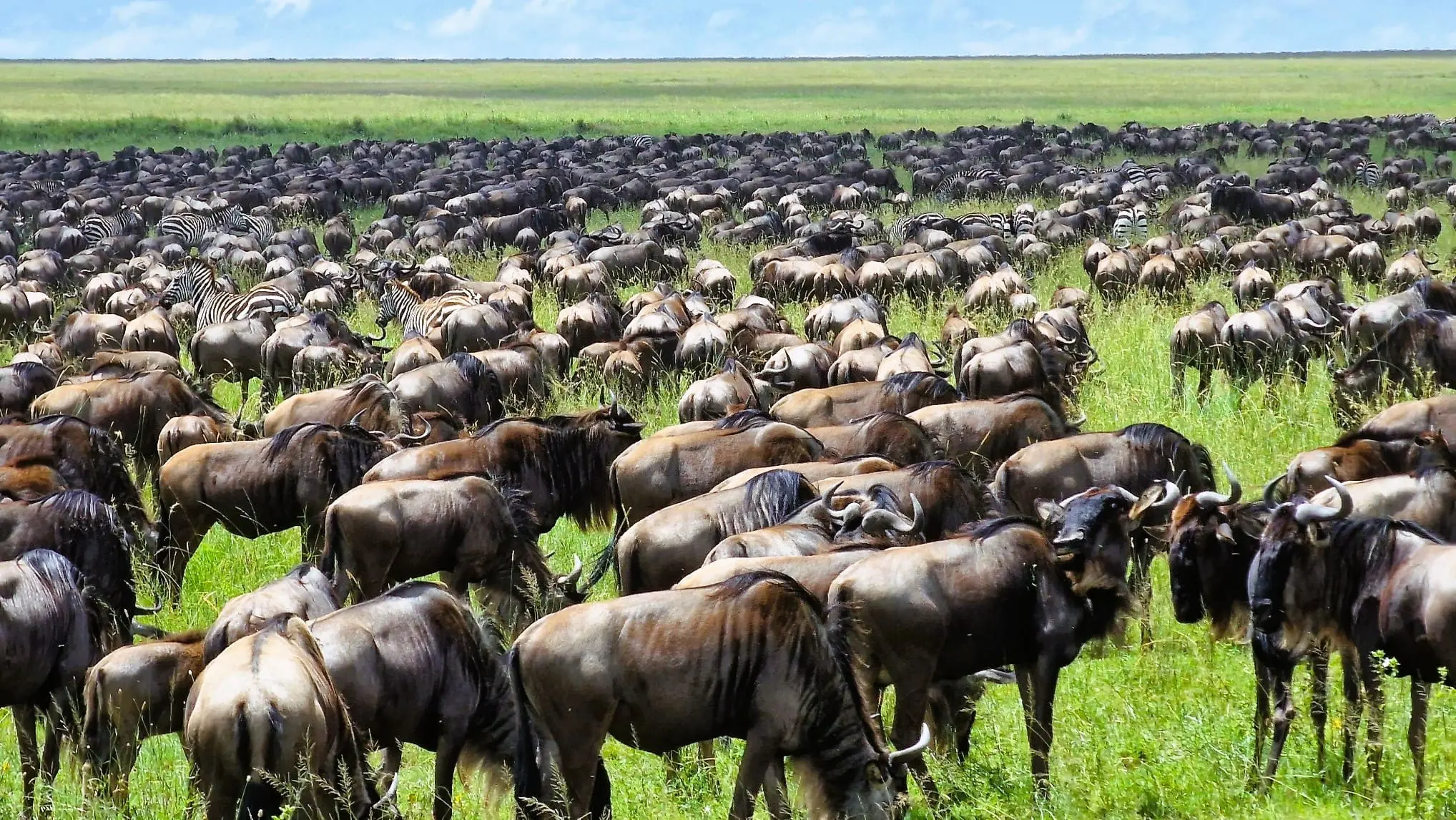
Why do wildebeest migrate?
Wildebeest migrate primarily to find fresh grass and water. Their movement is closely connected to rainfall. When rain falls in a new part of the ecosystem, fresh grass begins to grow and the herds gradually move towards those areas.
The Great Migration does not follow an exact calendar. There is a general annual pattern, but the timing can change. An early or late rainy period may influence how quickly the animals leave one area and reach another.
Weather therefore plays an important role in understanding the migration. Our guide to Tanzania weather explains the country’s dry and rainy periods in more detail.
How does the Great Migration cycle work?
The Great Migration is a continuous cycle without one fixed starting point. A useful way to understand it is to follow the herds through the year, beginning on the southern Serengeti plains during the calving period.
From there, the migration generally moves north through the Serengeti before reaching the northern part of the ecosystem and the Maasai Mara. As rainfall returns further south, the herds begin moving back towards the southern plains and the cycle continues.
January to March: calving in the southern Serengeti
From January into March, large numbers of wildebeest gather on the short grass plains of the southern Serengeti and the wider Ndutu area. This is the main calving period, with the greatest concentration of births usually occurring around February.
Tanzania National Parks reports that more than 250,000 wildebeest calves are born each year and that most births are concentrated within a few weeks around the middle of February. Newborn wildebeest can stand and move quickly, an important ability in an environment where predators are never far away.
The large number of young animals also attracts lions, cheetahs, hyenas and other predators. For travellers, this period offers a very different Great Migration experience from the river crossings later in the year. The focus is on enormous herds, newborn calves and intense predator activity across the open plains.
Part of this wider ecosystem borders the Ngorongoro Conservation Area, making the southern Serengeti and Ndutu region an important area during this stage of the migration.
April to June: the migration moves north
As the rainy period progresses and conditions on the southern plains begin to change, the wildebeest and zebra herds start moving north. The migration spreads through the central Serengeti and towards the western part of the ecosystem.
During this period, the herds can form long columns as animals move between grazing areas. The western corridor and the area around the Grumeti River become increasingly relevant as the migration continues north.
Exact timing varies each year. Rainfall and the availability of fresh grass remain more important to the animals than the date on the calendar.
July to October: northern Serengeti and river crossings
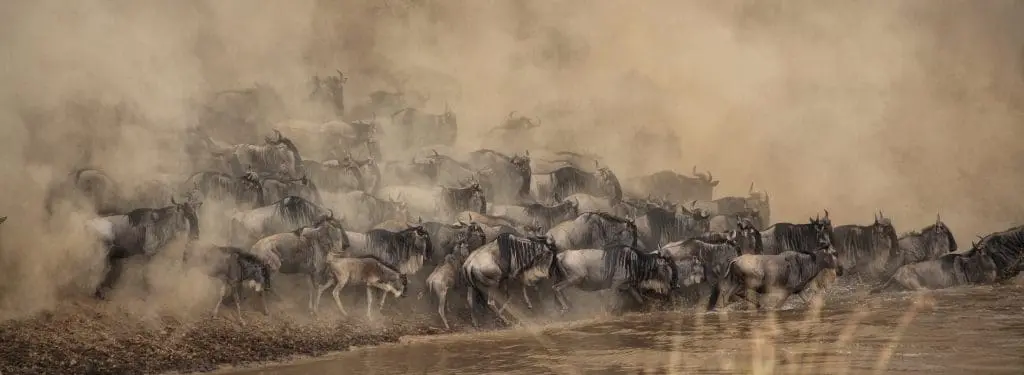
Between roughly July and October, large parts of the migration are generally found further north. This is the period most closely associated with the famous Mara River crossings in the northern Serengeti and towards Kenya’s Maasai Mara.
River crossings are dramatic because thousands of animals may gather near the river before entering the water. Strong currents, steep banks and crocodiles make the crossing dangerous. A crossing cannot be scheduled or predicted for a specific day.
The herds may remain near a riverbank for hours or days before moving, and they can cross at different locations. No guide, camp or tour operator can guarantee a river crossing on a particular day.
Travellers interested in this stage of the migration can read more about the landscape and wildlife of Serengeti National Park.
November to December: the herds return south
Later in the year, renewed rainfall encourages fresh grass growth further south. The herds gradually leave the northern areas and move through the Serengeti again towards the southern plains.
By the end of the year, increasing numbers of wildebeest are returning to areas where the next calving period will take place. This movement completes one part of the annual cycle, but there is no true end to the Great Migration. The search for suitable grazing and water continues.
Where does the Great Migration take place?
The Great Migration takes place across the Serengeti Mara ecosystem, which stretches across northern Tanzania and southern Kenya. Different parts of this ecosystem become important at different times of year.
The southern Serengeti and Ndutu area are associated with the calving period. The central and western Serengeti become important as the herds move north. Later, large concentrations may reach the northern Serengeti, the Mara River and the Maasai Mara in Kenya.
A large part of the annual cycle takes place in Tanzania. Serengeti National Park is therefore central to understanding and experiencing the Great Migration.
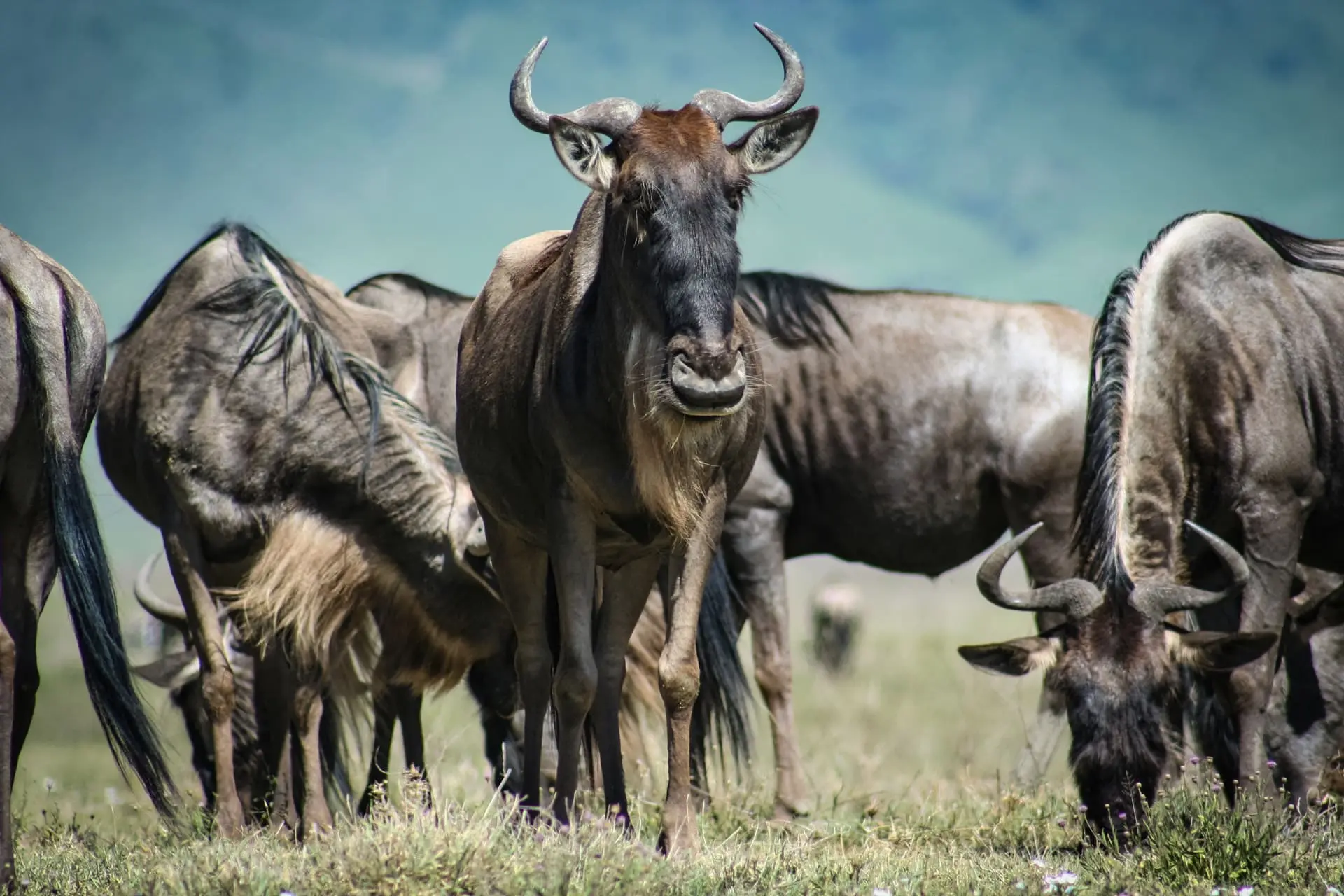
When is the Great Migration?
The Great Migration takes place all year. There is no single month in which the migration begins or ends. What changes during the year is the location of the herds and the stage of the migration.
- January to March: calving and large herds on the southern Serengeti plains.
- April to June: movement through the central and western Serengeti towards the north.
- July to October: northern Serengeti, Mara River area and the possibility of river crossings.
- November to December: movement back through the Serengeti towards the southern plains.
These periods are a useful guide rather than a fixed timetable. Rainfall influences grass growth and water availability, which can cause the herds to arrive earlier or later than expected.
What makes the Great Migration important to the Serengeti ecosystem?
The Great Migration is much more than a wildlife spectacle. The movement of vast numbers of grazing animals is part of the ecological processes that shape the Serengeti.
Wildebeest and other herbivores consume enormous quantities of grass as they move through the ecosystem. Their grazing affects vegetation, while nutrients are redistributed through dung and animal remains. The herds also support one of the world’s most significant predator and prey systems.
UNESCO recognises the Serengeti for both the scale of its migration and the ecological processes that support its biodiversity. Rainfall, soil, vegetation, herbivores and predators are closely connected, which is why the migration cannot be separated from the wider Serengeti ecosystem.
Which animals take part in the Great Migration?
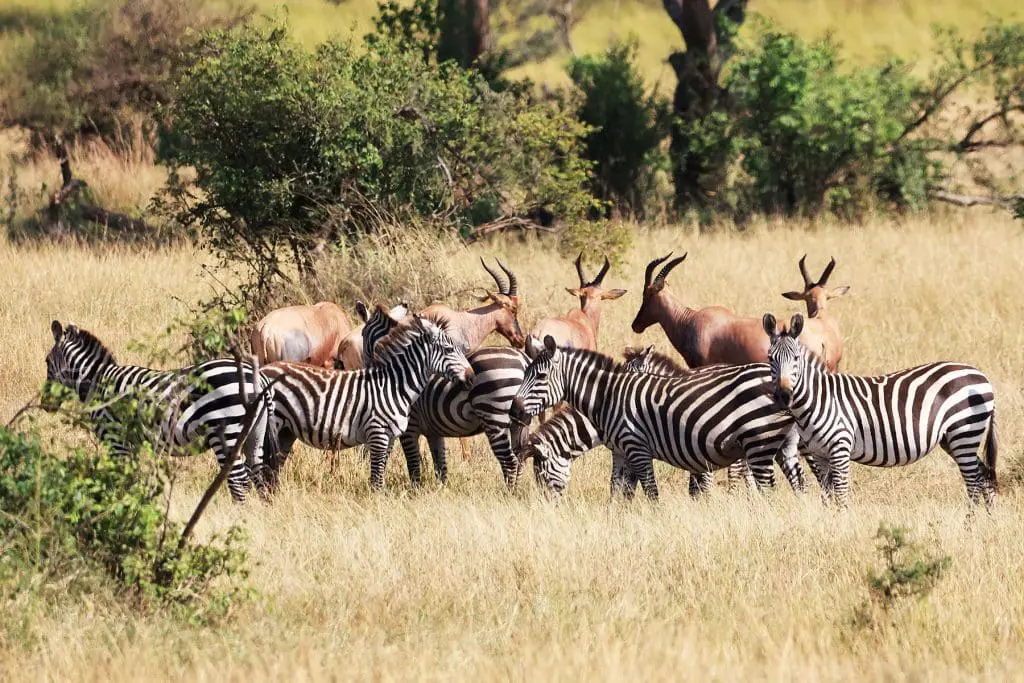
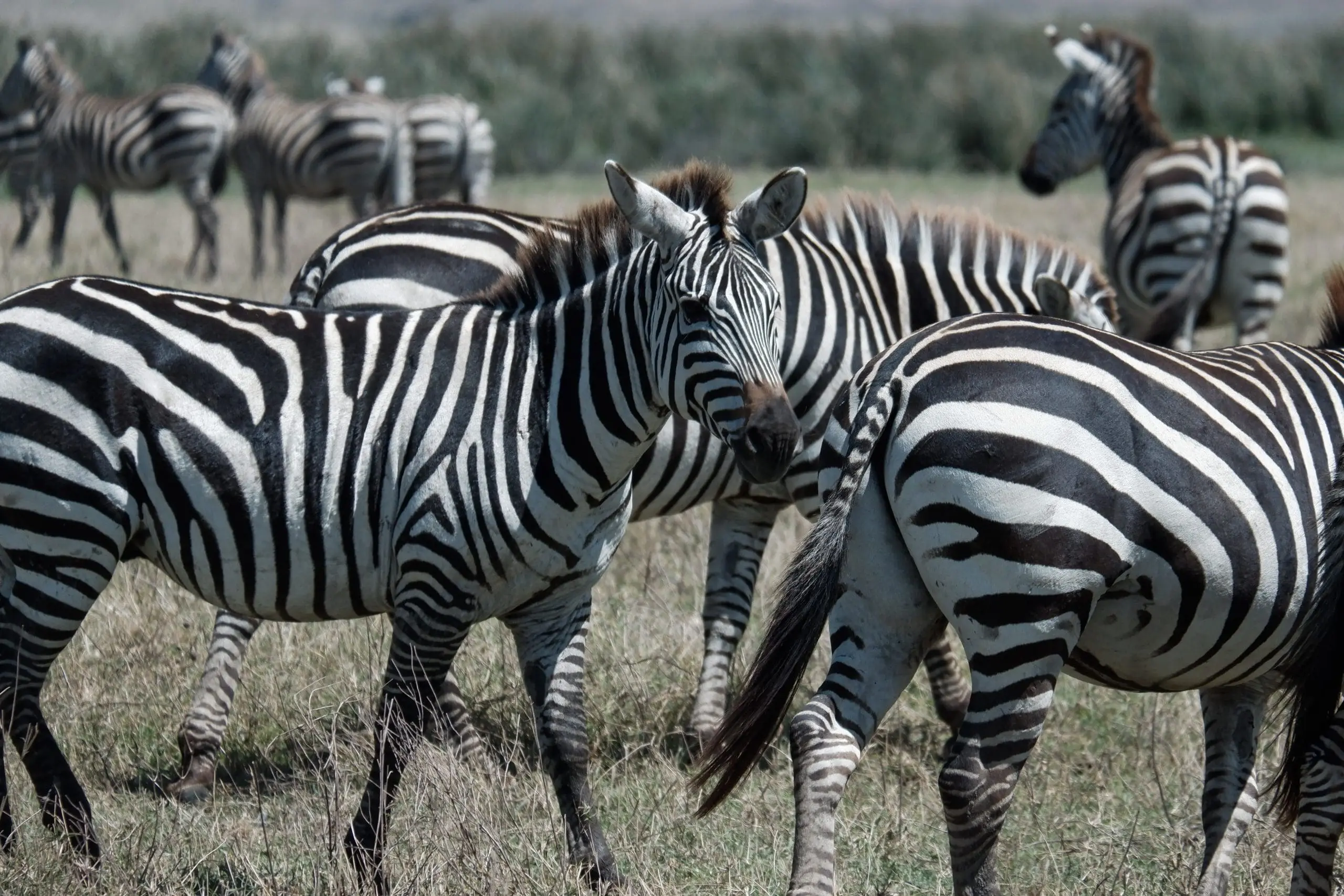
Wildebeest are the animals most strongly associated with the Great Migration, but they do not travel alone. Large numbers of zebras and gazelles also move through the ecosystem in response to changing grazing and water conditions.
Different grazing species can benefit from different parts of the vegetation. Zebras can feed on taller grasses, while wildebeest prefer shorter, nutrient rich grass. Together, these large herbivore populations form a constantly changing pattern across the plains.
Predators such as lions, cheetahs and hyenas do not migrate in the same way as the wildebeest herds, but their lives are closely connected to the availability of prey. Crocodiles become especially visible during river crossing periods.
Is the Great Migration the same as the wildebeest migration?
Yes. The terms Great Migration, Great Wildebeest Migration and wildebeest migration are often used to describe the same annual natural phenomenon.
The name wildebeest migration reflects the fact that wildebeest form the largest and most recognisable part of the migrating herds. The term Great Migration is broader because hundreds of thousands of zebras, gazelles and other animals are part of the same ecosystem and annual movement.
Can you predict exactly where the Great Migration will be?
The general Great Migration cycle is predictable, but the exact location of the herds is not. Wildebeest respond to real conditions on the ground, particularly rainfall, fresh grass and access to water.
A migration calendar can help you choose a region and travel period, but it cannot tell you exactly where a herd will be on a particular day. The same applies to river crossings. They are natural events and there is no fixed timetable.
This unpredictability is part of the Great Migration. It is a living natural process that responds continuously to conditions within the Serengeti ecosystem.
How can you see the Great Migration in Tanzania?
Seeing the Great Migration in Tanzania starts with choosing the right part of the Serengeti for your travel period. Travellers visiting early in the year may focus on the southern plains and the calving season, while later travel dates may make the central, western or northern Serengeti more relevant.
If river crossings are your main reason for travelling, the northern Serengeti is generally the area to consider during the period when the herds move further north. It is still important to travel with realistic expectations because individual crossings cannot be guaranteed.
Our Great Migration safari page explains more about planning a journey around the migration. You can also explore our Tanzania safari options if you want to combine the Serengeti with other national parks and experiences.
Experience the Great Migration in Tanzania
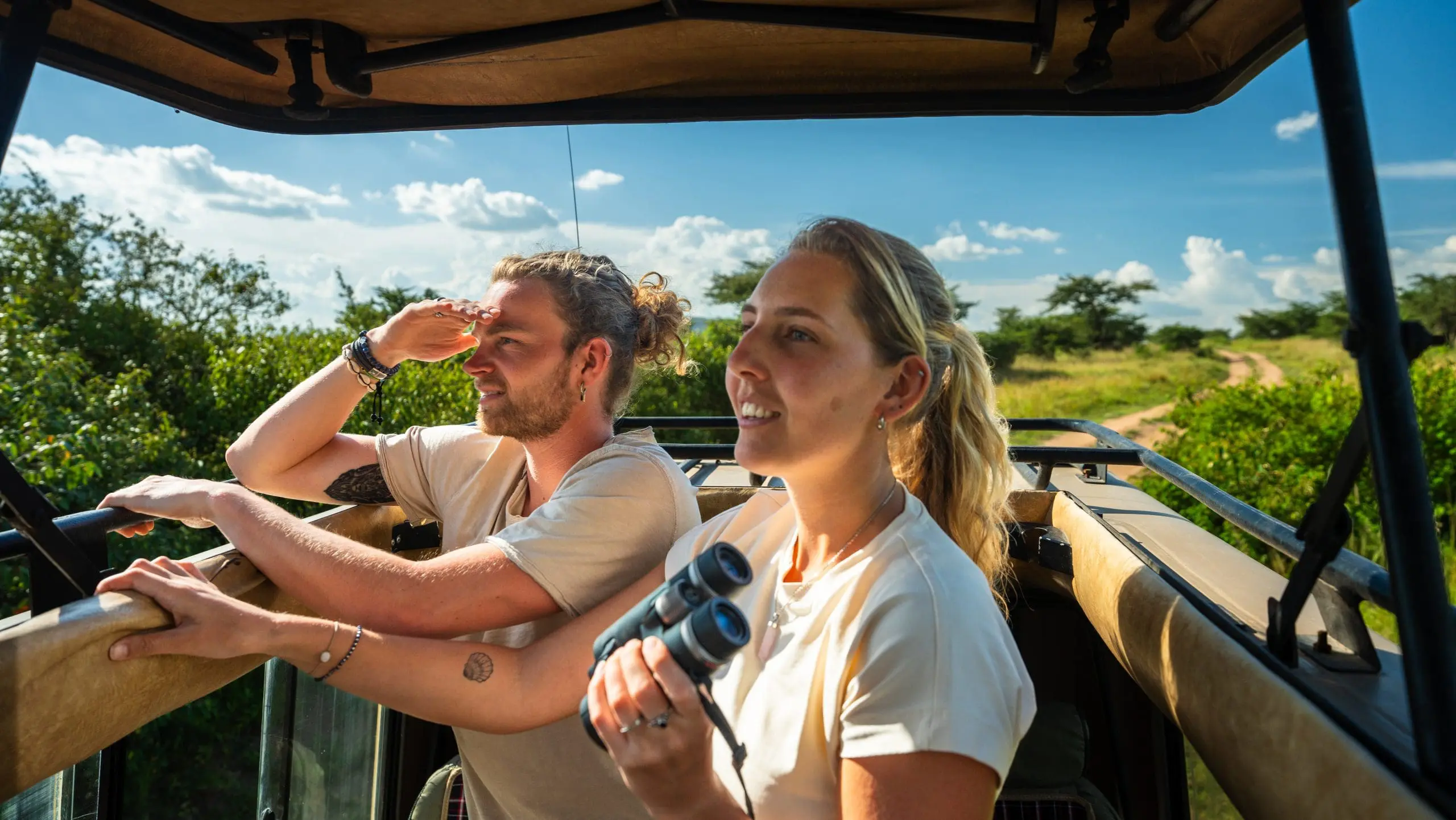
The Great Migration offers a different experience throughout the year. One period may bring thousands of newborn calves on the southern plains, while another may bring enormous herds to the northern Serengeti. There is no single moment that defines the migration.
Choosing where to stay and which part of the Serengeti to visit depends on your travel dates and what you hope to experience. Shemeji Safari is a Dutch Tanzanian family owned tour operator based in Arusha. We create private, personalised Tanzania journeys and can help you combine the Serengeti with the national parks and experiences that fit your travel plans.
Explore our Great Migration safaris or contact Shemeji Safari to discuss your Tanzania journey.
Frequently asked questions about the Great Migration
Below you will find answers to some of the most common questions travellers have about the Great Migration.
More than one million wildebeest take part in the Great Migration, together with hundreds of thousands of zebras, gazelles and other grazing animals. UNESCO describes it as the largest remaining unaltered animal migration in the world.
The Great Migration continues throughout the year. It is an annual circular movement rather than a journey with a single beginning and end. UNESCO describes the migration through Tanzania and Kenya as an annual trek of around 1,000 kilometres.
Yes. The Great Migration is an annual natural cycle. The overall pattern repeats each year, but the exact timing and location of the herds can change depending on rainfall, grass growth and water availability.
There is no single best month to see the Great Migration because different periods offer different experiences. January to March is associated with the calving season, while July to October is generally more relevant for travellers hoping to see the northern herds and possible river crossings.
The Great Migration moves through different parts of the Serengeti ecosystem throughout the year. The herds are generally found further south during the calving period before moving through the central and western Serengeti and eventually towards the northern Serengeti.
No. Great Migration river crossings cannot be guaranteed. The wildebeest decide when and where to cross according to natural conditions, and a herd may wait near a river or change direction before entering the water.
No. The Great Migration moves through the wider Serengeti Mara ecosystem in Tanzania and Kenya. Much of the annual cycle takes place within Tanzania’s Serengeti ecosystem before some herds move further north into the Maasai Mara and later return south.