



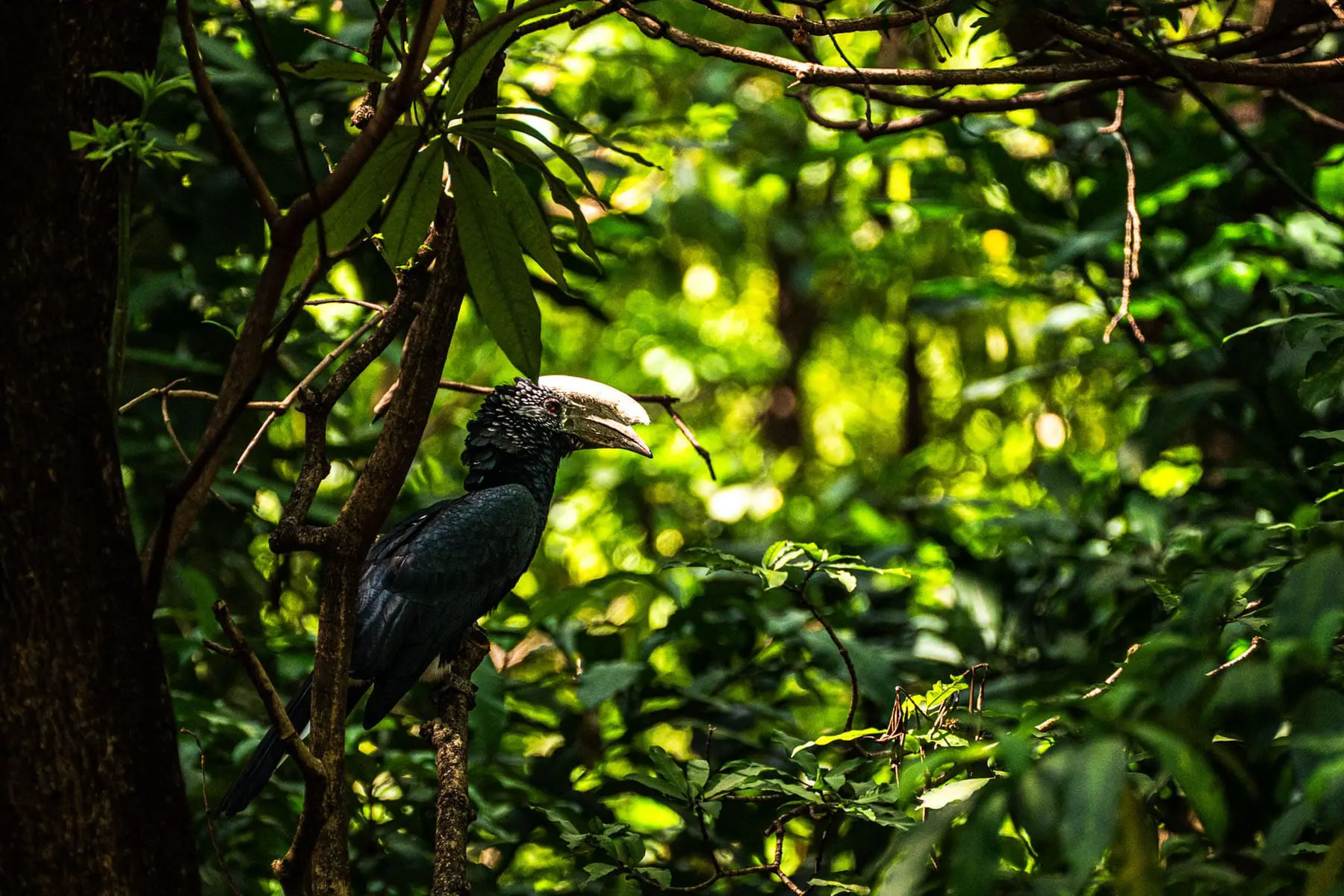
Welcome to
Lake Manyara National Park
Lake Manyara National Park is one of Tanzania’s most diverse safari parks in a compact area. Located between the Great Rift Valley escarpment and Lake Manyara, the park brings together groundwater forest, acacia woodland, grassland, wetlands and an alkaline lake in one varied landscape.
For travelers, this means you can experience a surprising mix of wildlife, scenery and birdlife without covering long distances. Lake Manyara is especially known for its tree-climbing lions, large elephant population, hippos, monkeys and seasonal flamingos that can gather around the lake.
With Shemeji Safari, Lake Manyara can be included as part of a private northern Tanzania safari. Our local team helps you decide whether the park fits your route, travel dates and preferred safari pace.
Plan your Lake Manyara safari with local support
- Dutch-Tanzanian family-owned tour operator
- Local team based in Arusha
- Private tailor-made Tanzania safaris
- Own safari vehicles and lodges
- 5/5 on TripAdvisor with 170+ reviews
On this page
- Why visit Lake Manyara National Park?
- Lake Manyara wildlife
- Birdlife and flamingos
- How Lake Manyara fits into your safari route
- Best time to visit Lake Manyara
- Lake Manyara facts and travel times
- Frequently asked questions
Why visit Lake Manyara National Park?
Lake Manyara National Park is a strong choice for travelers who want variety in a short amount of time. The park is smaller than Serengeti or Tarangire, but its landscapes change quickly, making it an interesting stop on a northern Tanzania safari.
The park is often included as part of a wider route with Tarangire National Park, the Ngorongoro Conservation Area and Serengeti National Park. It can also work well for travelers who want a shorter safari from Arusha or a route that combines wildlife, scenery and local activities.
What makes Lake Manyara special?
- A compact park with varied landscapes
- Tree-climbing lions, although sightings are never guaranteed
- Large mammals such as elephants, buffalo, giraffes and hippos
- Rich birdlife, including flamingos and water birds
- Easy access from Arusha and nearby Mto wa Mbu
- A good addition to a northern Tanzania safari route
Lake Manyara wildlife
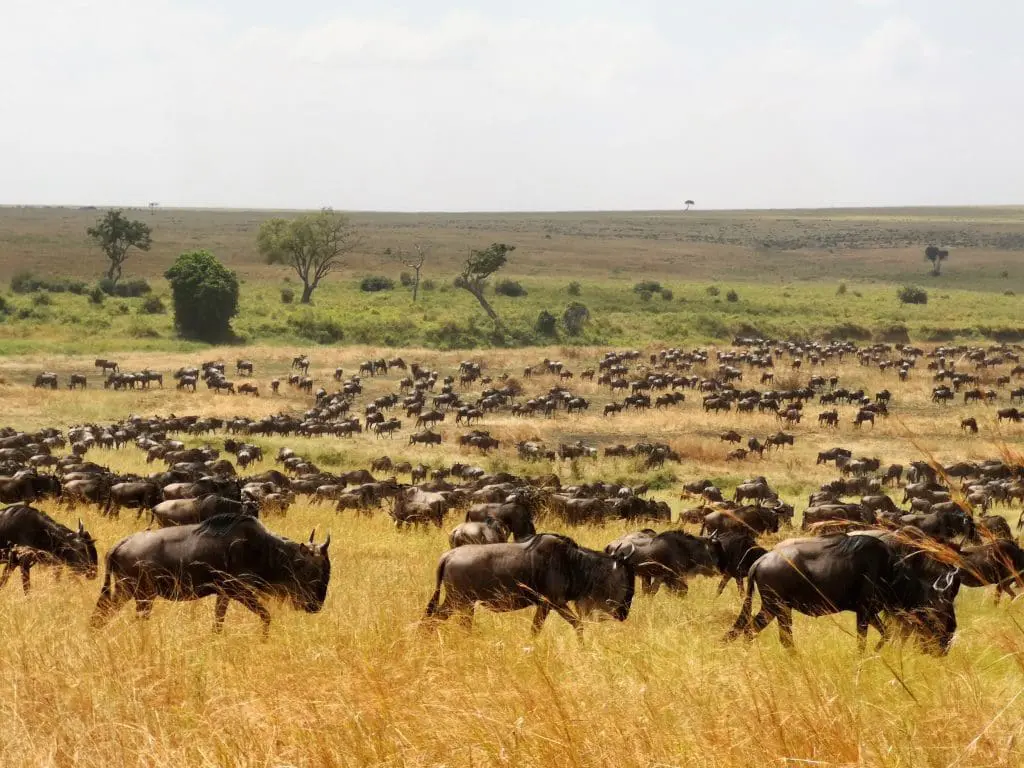
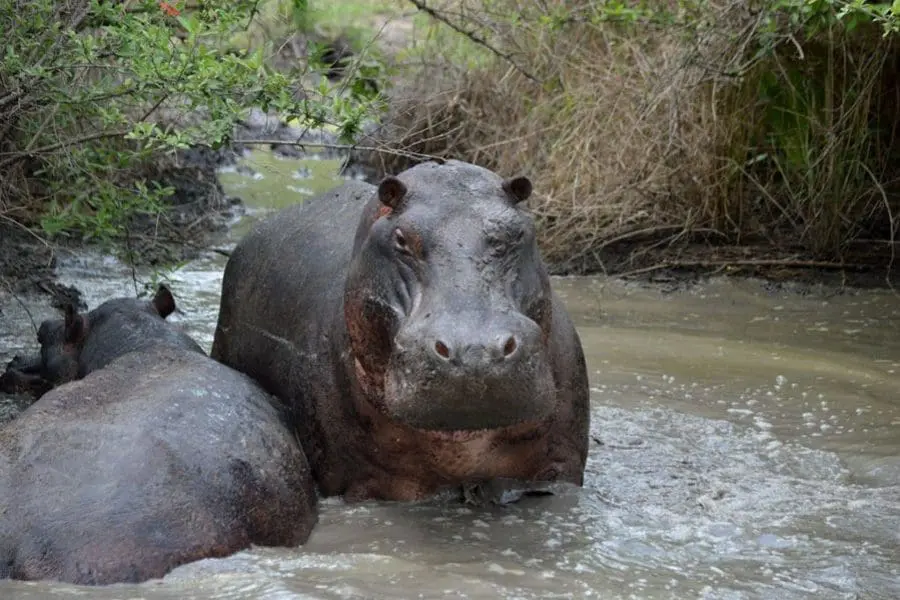
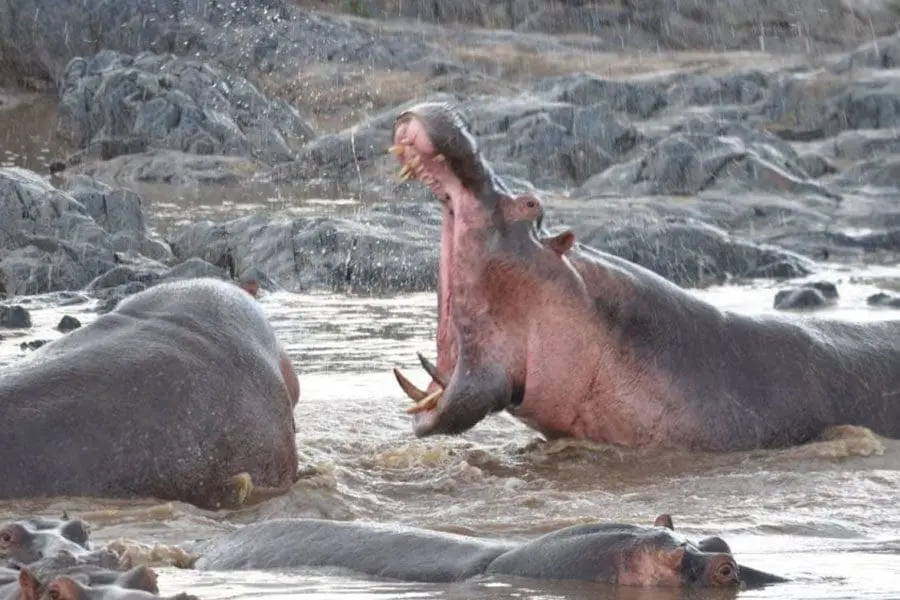
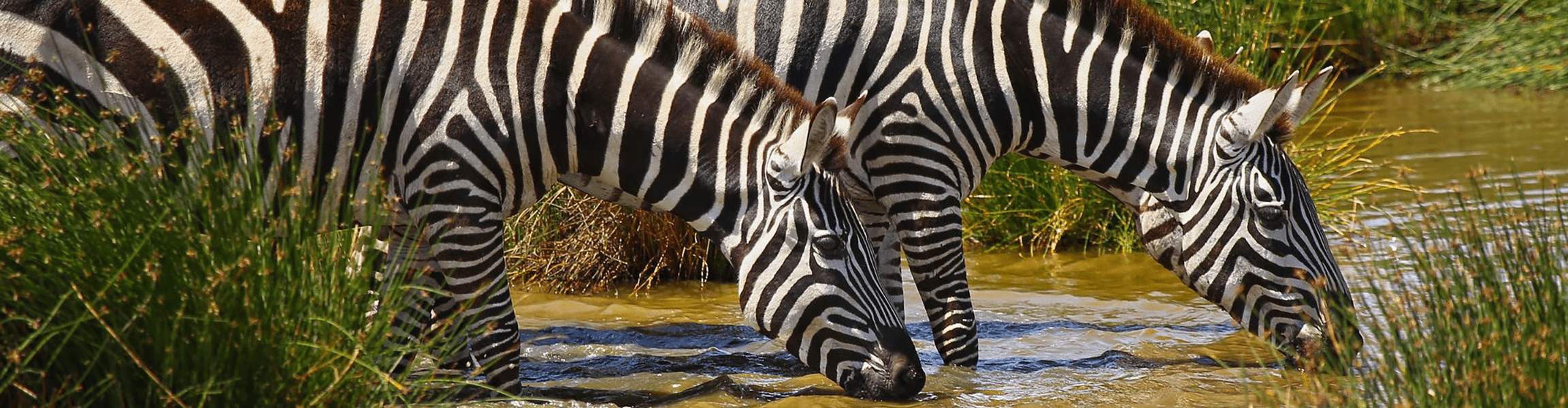
Lake Manyara National Park is home to a wide variety of animals. During a safari, you may see elephants, buffalo, giraffes, zebras, hippos, antelope, monkeys and many smaller species. The park is also known for predators, including leopards and its famous tree-climbing lions.
The tree-climbing lions of Lake Manyara are one of the park’s best-known attractions. They are often associated with acacia woodland, where lions may rest in the branches during the warmer parts of the day. These sightings are special, but they depend on timing, movement and luck.
The groundwater forest near the park entrance is a good place to see baboons and blue monkeys. As the landscape opens up, the route moves through woodland, floodplains and lake views, giving visitors different wildlife experiences in one park.
Animals you may see in Lake Manyara
- Tree-climbing lions
- Elephants
- Buffalo
- Giraffes
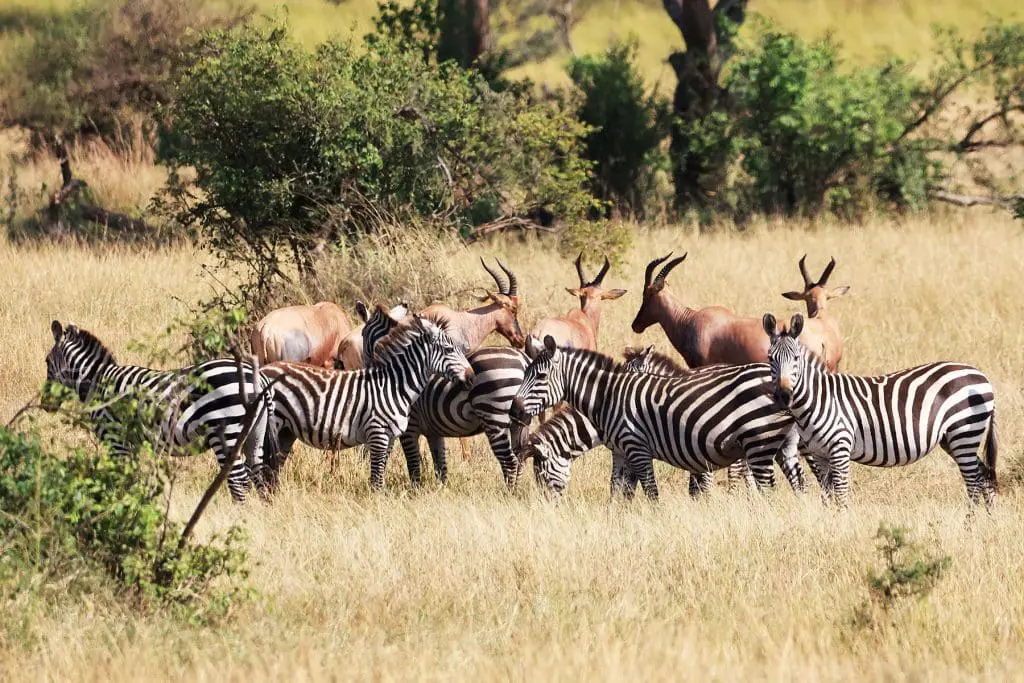
- Zebras
- Hippos
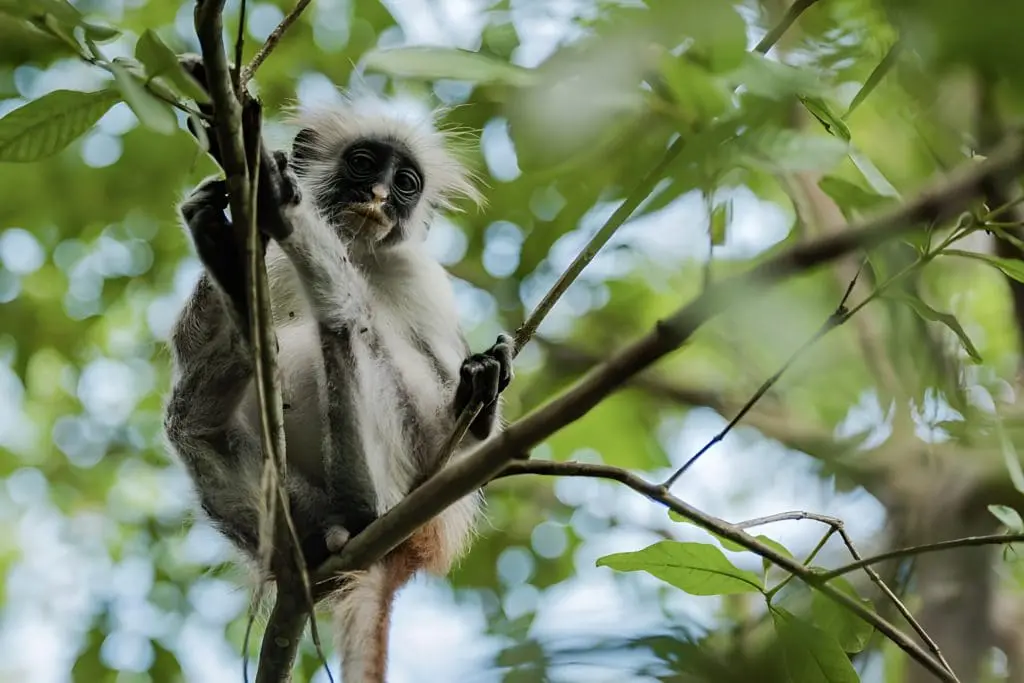
- Baboons and blue monkeys
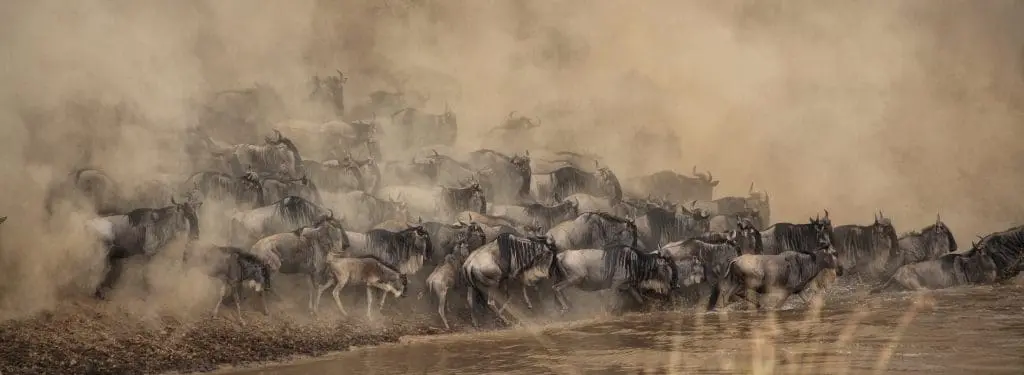
- Antelope and wildebeest
- Leopards, with luck
Birdlife and flamingos in Lake Manyara
Lake Manyara is one of Tanzania’s more interesting destinations for birdwatching. The lake, wetlands, forest and woodland habitats attract many resident and migratory bird species.
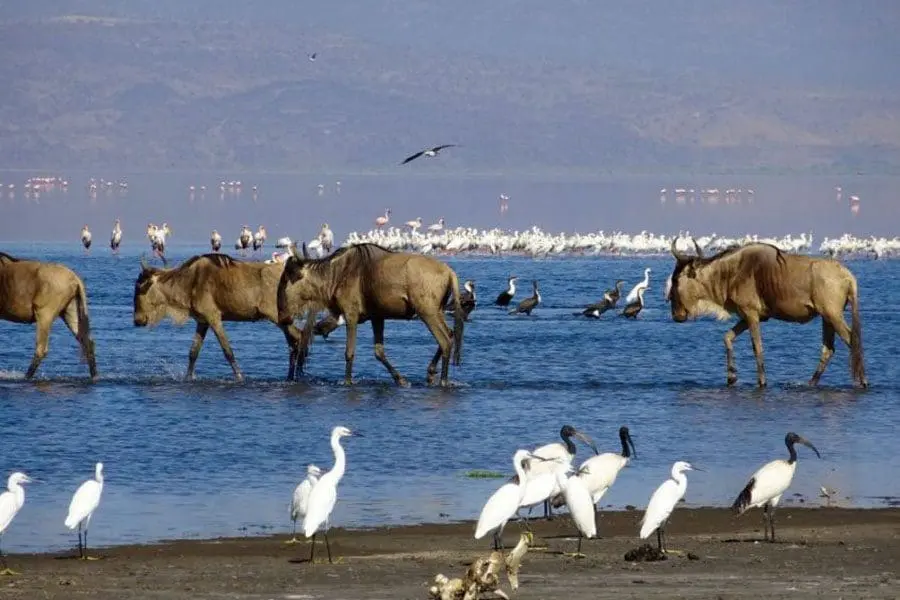
The park is especially known for flamingos, which can gather along the lake depending on water levels and season. Pelicans, storks, cormorants, sacred ibises, Egyptian geese and many other water birds can also be seen in the area.
For photographers and bird lovers, Lake Manyara can be a rewarding addition to a safari route. The combination of birdlife, lake views and the Rift Valley escarpment gives the park a very different atmosphere from the open plains of Serengeti.
How Lake Manyara fits into your Tanzania safari route
Lake Manyara is often used as a beginning or end of your round trip through Northern Tanzania or as a shorter safari stop from Zanzibar. Its location makes it easy to combine with other well-known safari destinations, especially Tarangire, Ngorongoro and Serengeti.
Because the park is relatively compact, it can work well for travelers who want a varied game drive without spending too much time on the road inside the park. It can also be combined with nearby cultural or active experiences around Mto wa Mbu.
Example Lake Manyara safari combinations
- Short safari: Lake Manyara and Tarangire
- Classic northern route: Lake Manyara, Ngorongoro and Serengeti
- Family safari: Lake Manyara with shorter drives and varied landscapes
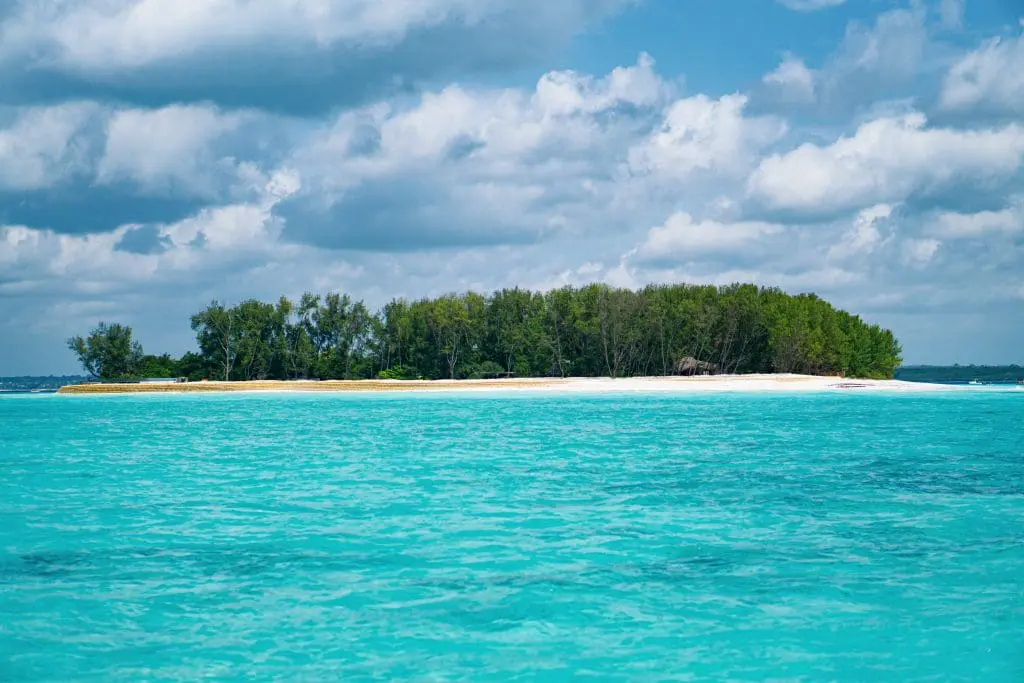
- Safari and beach: Lake Manyara as part of a route ending on Zanzibar
You can also use our safari packages as inspiration for your own tailor-made route.
Best time to visit Lake Manyara National Park
Lake Manyara can be visited throughout the year, but the best time depends on what you want to experience. Wildlife viewing, birdwatching, water levels and road conditions can all influence the feel of your safari.
Our local experts’ recommendation for the dry season
The dry season is often a good period for spotting larger mammals, as animals may be easier to see around water sources and more open areas. This period can work well if wildlife viewing is your main focus.
Our local experts’ recommendation for the green season
The green season can be especially interesting for birdwatching, with more lush scenery and strong bird activity. The landscape can feel fresh and atmospheric, although rain may influence road conditions and visibility.
Best time for your route
The best time to visit Lake Manyara also depends on the rest of your itinerary. If you combine the park with Tarangire, Ngorongoro or Serengeti, the overall route and season should be planned together.
For wider seasonal advice, read our guide about the best time to visit Tanzania.
Lake Manyara National Park facts and travel times
Lake Manyara is located on the northern Tanzania safari circuit, close to Mto wa Mbu and within practical driving distance from Arusha, Tarangire and Ngorongoro.
National park facts
- Area: approximately 325 km²
- Location: between Lake Manyara and the Great Rift Valley escarpment
- Distance from Arusha: around 130 km
- Established: 1960
- Known for: tree-climbing lions, flamingos, elephants, birdlife and varied landscapes
Approximate travel times
- Lake Manyara to Arusha: around 2 hours
- Lake Manyara to Tarangire: around 1 hour
- Lake Manyara to Ngorongoro: around 1 hour
- Lake Manyara to Serengeti: around 4 to 4.5 hours
Things to do near Lake Manyara
A Lake Manyara safari can be combined with several nearby activities. These experiences can add more variety to your route, especially if you want to include culture, movement or local life alongside wildlife.
- Game drives in Lake Manyara National Park
- Birdwatching around the lake and wetlands
- Canopy walk in the forest area
- Visit Mto wa Mbu and local markets
- Mountain bike tour around the Lake Manyara area
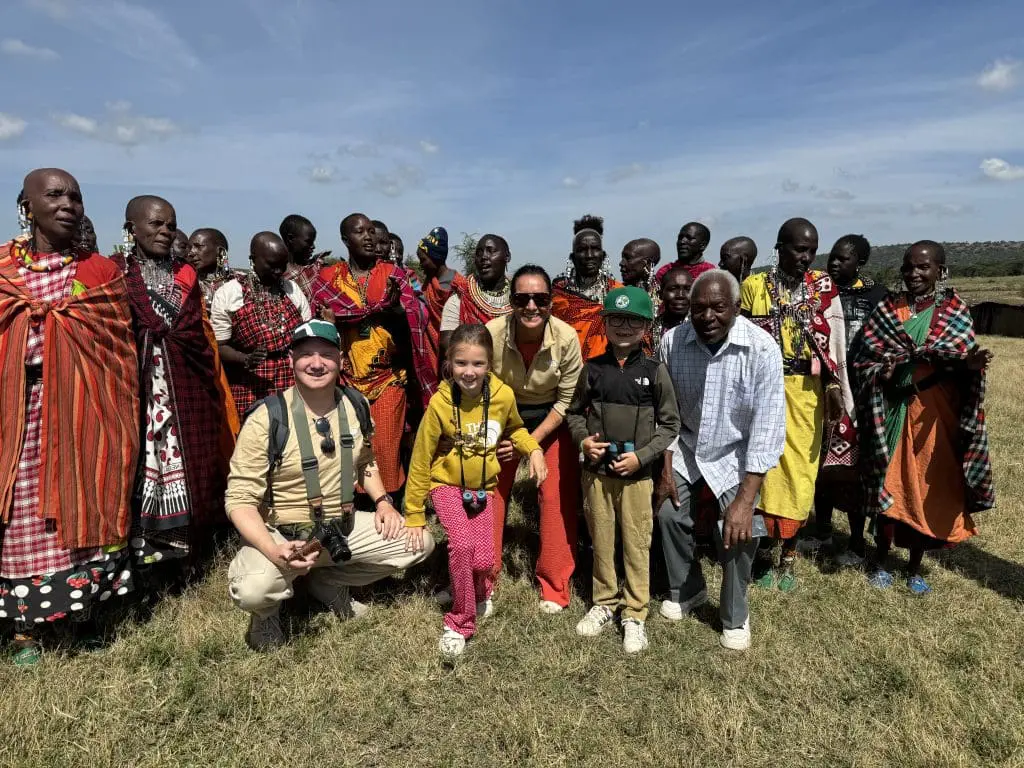
- Visit a Maasai boma
For more inspiration, explore our activities overview.
Plan your Lake Manyara safari with Shemeji Safari
Shemeji Safari is a Dutch-Tanzanian family-owned tour operator based in Arusha. Because our team works locally, we understand how Lake Manyara fits into a wider Tanzania safari route.
We help you decide whether Lake Manyara should be included in your itinerary, how much time to spend there and which nearby parks or activities make sense for your travel dates and interests.
Whether you are planning a short safari, a family trip, a classic northern Tanzania route or a safari and Zanzibar combination, our team can help shape a private itinerary around your wishes.
Request your tailor-made safari itinerary
Where to stay near Lake Manyara National Park
Several Shemeji Safari accommodations work well with a visit to Lake Manyara National Park. The best choice depends on where you are coming from, which park you visit next and how you want to structure your Northern Tanzania safari.
Africa Safari Rift Valley
Africa Safari Rift Valley is located between Lake Manyara and Tarangire National Park. This makes it a practical choice when both parks are part of your itinerary.
The lodge overlooks the Great Rift Valley and Lake Manyara and offers safari glamping accommodations in a quieter setting outside the main park areas.
Africa Safari Karatu
Africa Safari Karatu is located near the Ngorongoro Conservation Area, with convenient access to both Lake Manyara National Park and Ngorongoro Crater.
This location works especially well when Lake Manyara is part of a route that continues toward Ngorongoro or the Serengeti. The lodge is set on a hilltop with views across the surrounding highlands and Lake Eyasi.
Africa Safari Lake Manyara Escarpment
Africa Safari Lake Manyara Escarpment sits on the Great Rift Valley escarpment just minutes from Lake Manyara National Park.
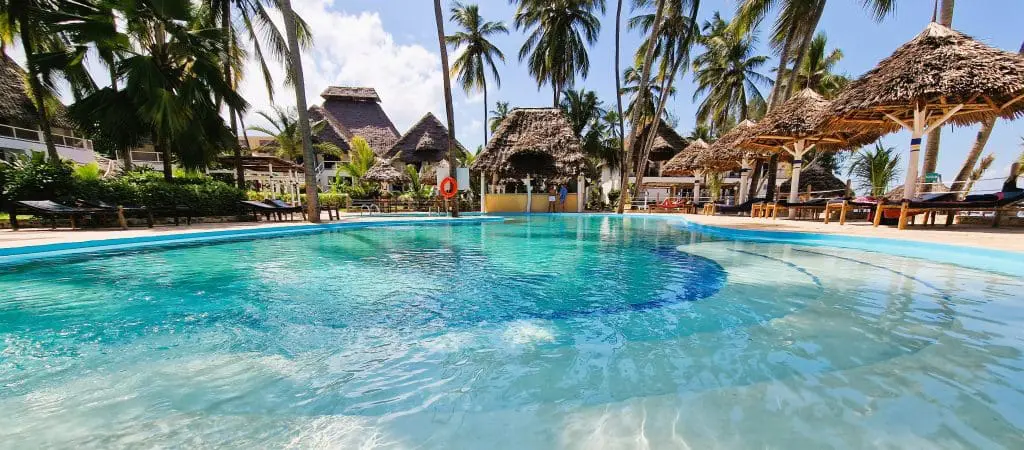
Its location makes it a convenient option when Lake Manyara is one of the main stops in your safari. The property offers several safari cabin categories as well as facilities including a restaurant, bar, spa and swimming pool.
Africa Safari Manyara Migombani
Africa Safari Manyara Migombani is located around 400 meters from the entrance to Lake Manyara National Park, making it the closest of these four options to the park gate.
The glamping accommodation is surrounded by the green landscape and banana groves of the Lake Manyara area, with views toward the lake. It can be a particularly practical choice when you want to start or finish your Lake Manyara game drive close to the park entrance.
Which accommodation should you choose?
Choose your accommodation based on the wider safari route rather than Lake Manyara alone. Africa Safari Rift Valley works well when combining Lake Manyara with Tarangire, while Africa Safari Karatu is practical for a route toward Ngorongoro. Africa Safari Lake Manyara Escarpment and Africa Safari Manyara Migombani are strong options when proximity to Lake Manyara itself is a priority.
Shemeji Safari can help match the accommodation to the route, travel time and other parks included in your itinerary.
Highlights and FAQ
Yes, Lake Manyara National Park is worth visiting if you want a compact safari park with varied landscapes, birdlife, elephants, monkeys, hippos and the chance of seeing tree-climbing lions.
Lake Manyara is known for its tree-climbing lions, rich birdlife, flamingos, elephants, groundwater forest, lake views and dramatic Rift Valley escarpment.
Yes, Lake Manyara is known for tree-climbing lions, but sightings are never guaranteed. Your chances depend on timing, route, weather and animal movement.
Flamingos can be seen around Lake Manyara depending on season, water levels and conditions. The park is also home to many other bird species, making it interesting for birdwatchers.
Many travelers visit Lake Manyara as a day trip or as part of a wider northern Tanzania safari route. The ideal time depends on your itinerary and how much focus you want on wildlife, birdlife or nearby activities.
Yes. Lake Manyara combines well with Serengeti, Ngorongoro and Tarangire. It is often included as part of a classic northern Tanzania safari route.
Yes, Lake Manyara can work well for families because the park is compact, varied and easy to combine with other destinations. A private itinerary gives families more flexibility in pace and timing.
After your request, the Shemeji Safari team reviews your travel dates, interests and preferred pace. We then help shape a private itinerary that includes Lake Manyara where it fits your overall route.